


You’ve just unboxed that sleek, futuristic piece of technology, your gateway to other worlds. The promise of unparalleled immersion and breathtaking experiences is tantalizingly close. But before you can scale mountains, command starships, or create in 3D space, there’s one critical, and often overlooked, first step: learning the art and science of VR headset wearing. It’s the fundamental bridge between you and the virtual realm, and mastering it is the difference between a clumsy, uncomfortable novelty and a seamless, transformative journey. This isn't just about strapping a screen to your face; it's about optimizing your entire physical and psychological entry into a new dimension.
The Foundation of Comfort: Achieving the Perfect Fit
The single greatest factor determining the quality of your virtual experience is how the headset feels on your head. An improper fit is a constant distraction, a nagging reminder of the physical world that shatters the illusion of the virtual one. It’s the primary reason for premature fatigue and the number one barrier to long-term engagement.
Modern headsets are engineering marvels designed to distribute their weight effectively, but they require user cooperation. The process begins with understanding the three main points of contact: the forehead, the back of the skull (the occipital bone), and often, the cheeks. The goal is to create a stable, balanced platform where the front and back of the headset form a supportive cradle.
Most devices feature a top strap, and its adjustment is frequently neglected. This strap is not merely decorative; it is crucial for bearing a significant portion of the device's weight. It should be tightened so that the visor floats comfortably in front of your eyes without excessive pressure on your face. The side straps should then be adjusted to secure the unit without causing lateral squeezing. The ideal fit is snug, not tight. You should be able to move your head quickly from side to side and up and down without the headset shifting or feeling like it might slip off.
Beyond the Strap: The Critical Role of the Interface
Sandwiched between the hard plastic of the headset and your skin is the facial interface, typically made from foam or a similar soft, compliant material. This component is paramount for both comfort and visual clarity. Its purpose is to block out ambient light (a phenomenon known as light bleed) and create a seal around your eyes.
A proper seal is what enables the "sweet spot"—the area in the lenses where the image is at its clearest and sharpest. If the headset is sitting too high, too low, or angled incorrectly, you will find yourself constantly squinting or straining to see a clear image, leading to rapid eye strain and headaches. The interface should contour to your unique facial structure. For some, the standard interface works perfectly. For many others, especially those who wear glasses, aftermarket interfaces made from materials like silicone or pleather can offer a more hygienic, comfortable, and consistent fit.
A Clear Vision: Managing Lenses and Eyewear
Visual immersion is the cornerstone of VR, and it starts with the lenses. Almost all headsets include a mechanical means to adjust the Interpupillary Distance (IPD). IPD is the distance between the centers of your pupils, and it varies from person to person. An incorrect IPD setting can result in a blurry image, double vision, and significant discomfort. Many premium headsets feature motorized or manual slider adjustments to precisely match your IPD, a setting worth taking the time to get perfect.
For the millions who wear prescription glasses, the question of what to do inside a headset is a pressing one. Wearing glasses inside a VR headset is often possible but comes with risks: scratching both the headset's lenses and your own glasses, added pressure on the bridge of your nose, and a compromised fit that allows more light bleed. The alternatives are increasingly accessible. Magnetic prescription lens inserts are a popular solution, effectively creating custom corrective lenses that clip directly onto the headset's built-in lenses. This provides the clearest possible vision and protects the expensive hardware from damage.
The Unspoken Necessity: Hygiene and Maintenance
VR is an active, physical medium. It involves movement, and movement induces perspiration. The standard foam facial interface is a sponge for sweat, oils, and makeup, transforming it over time into a breeding ground for bacteria. This not only raises obvious hygiene concerns, especially in multi-user environments like arcades or families, but also leads to material degradation and unpleasant odors.
Proactive hygiene is non-negotiable. For personal use, regularly wiping down the interface with antibacterial lens wipes designed for electronics is a good practice. For shared use, or for those with sensitive skin, switching to a washable interface is a superior option. Silicone covers, which are non-porous and easily wiped clean with a damp cloth, have become a standard accessory for fitness-focused VR applications and are highly recommended for any high-sweat scenario.
Conquering the Unknown: Preventing Motion Sickness
For some, the sensation of VR headset wearing can initially be disorienting, leading to a form of motion sickness often called "sim sickness." This occurs when your eyes perceive motion in the virtual world (e.g., walking, turning, flying) but your inner ear and body feel no corresponding movement. This sensory conflict can cause dizziness, nausea, and sweating.
Fortunately, this is often a temporary condition that most users can overcome with gradual exposure. The key is to listen to your body. Start with stationary experiences or those that use teleportation for movement. Ensure your headset is properly fitted and that you are achieving a high, stable frame rate, as performance lag is a major contributor to discomfort. A cool environment and a fan blowing gently on you can also provide a fixed spatial reference that helps your brain reconcile the mismatch. Most importantly, the moment you start to feel unwell, take a break. Do not try to "power through" VR motion sickness, as it will only strengthen the association and make future sessions more difficult.
Tailoring the Experience: Advanced Adjustments for Immersion
Once the basic fit is mastered, a world of micro-adjustments awaits to fine-tune your comfort. The angle of the visor can often be tilted slightly up or down independent of the head strap. This small change can dramatically improve comfort for unique facial structures and optimize the light seal. Similarly, the distance of the lenses from your eyes can sometimes be adjusted via a knob on the side of the headset, allowing you to find the perfect balance between a wide field of view and avoiding your eyelashes brushing against the lenses.
Audio is a frequently underestimated component of immersion. Many headsets feature built-in speakers that hover near the ears, providing spatial audio while allowing you to remain aware of your real-world surroundings. For deep immersion, however, a good pair of over-ear headphones that connect to the headset can complete the sensory blockade, fully transporting you into the soundscape of the virtual world.
The Long Haul: Ergonomics for Extended Sessions
As VR experiences grow longer and more compelling, from epic RPGs to social platforms and productivity tools, the need for extended wear comfort becomes paramount. The strategies change when you plan to be inside for hours. Weight distribution is everything. Ensuring the top strap is doing its job is critical to preventing pressure on the forehead and cheeks. Taking regular, short breaks to remove the headset, even for just thirty seconds, allows blood flow to return to the skin and gives your eyes a moment to refocus on infinity, reducing strain.
Your physical environment plays a role too. A comfortable, swiveling chair can be ideal for many seated experiences, eliminating the strain of standing while still allowing for freedom of movement. For standing experiences, an anti-fatigue mat can make a surprising difference in your overall endurance.
The Future on Your Face: Beyond Today's Headsets
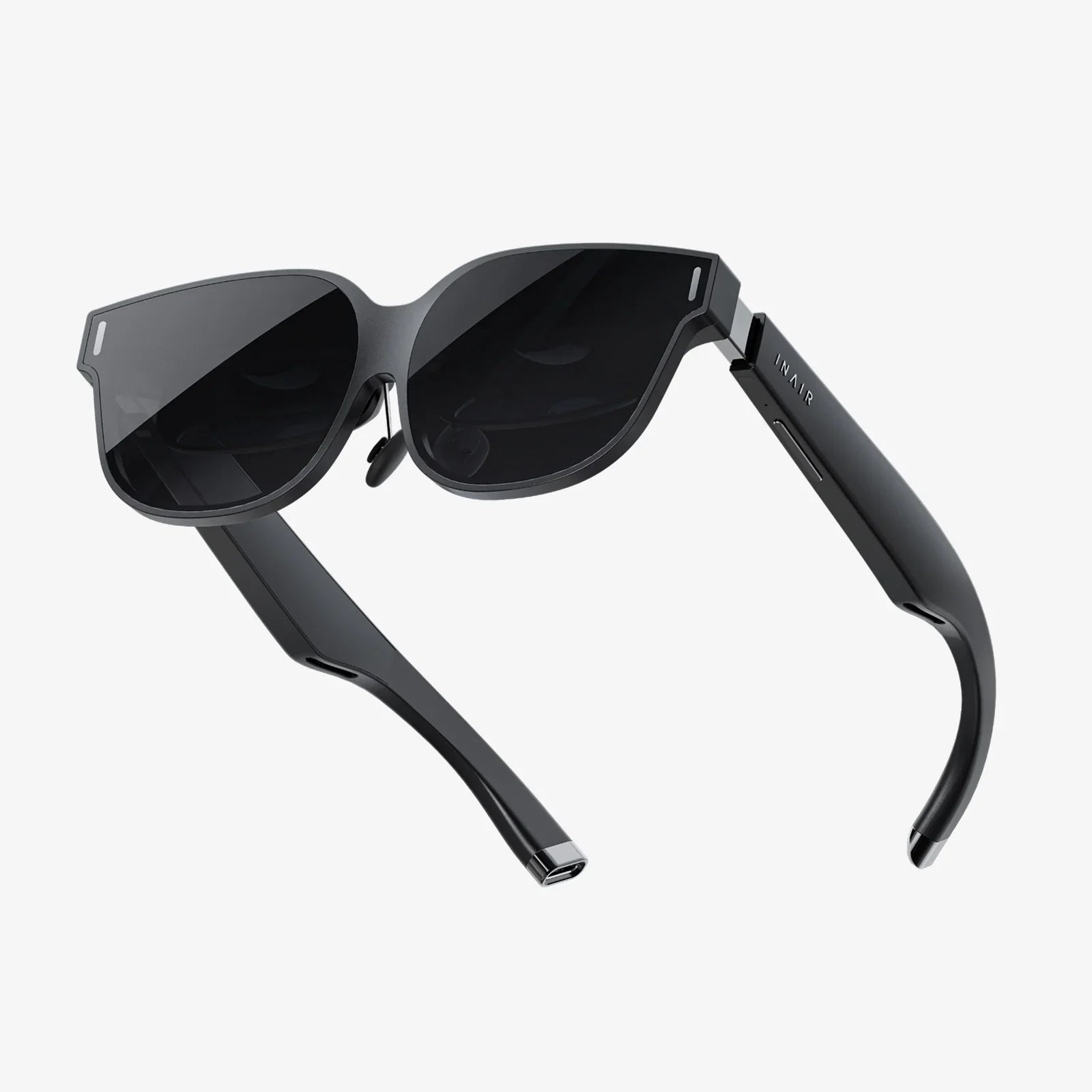
The journey of VR headset wearing is one of rapid evolution. The bulky, wired contraptions of yesterday are giving way to sleek, standalone devices. The future points toward headsets that are increasingly lighter, more balanced, and powered by breakthroughs in optics like pancake lenses that drastically reduce thickness. The ultimate goal is a pair of sunglasses—lightweight, unobtrusive, and always available.
Future interfaces will likely employ advanced materials that actively manage moisture and temperature. Haptic feedback integrated into the headstrap itself could provide new sensory cues, from the gentle nudge of a virtual object to directional alerts. As we move toward the concept of the metaverse and persistent computing, the physical design of these wearables will become as important as their processing power, prioritizing all-day comfort and social acceptability alongside raw immersion.
Mastering the fit of your VR headset is the silent prerequisite for every adventure that follows. It transforms the hardware from a clumsy device into an invisible window, a perfectly tuned instrument that unlocks worlds instead of obstructing them. The perfect fit is the moment the technology disappears, leaving only the experience—and that is the entire point.
Share:
Apple AR Glasses Replace iPhone: The Dawn of a New Spatial Computing Era
AI Integrated Smart Glasses Are Redefining Reality and How We Interact With It