


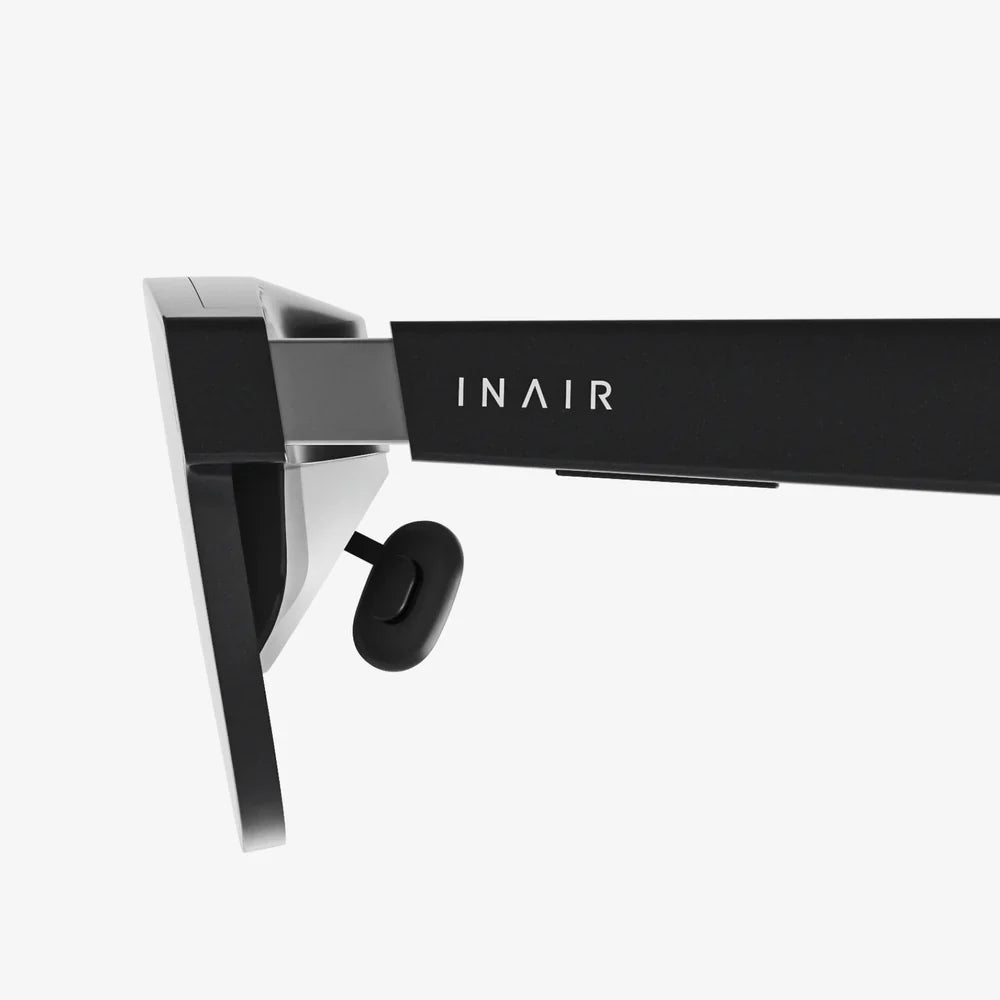
Imagine stepping into a breathtaking virtual world, only to be pulled back to reality by the constant, nagging discomfort of your eyeglasses pressing against the frame of a headset. For millions, this frustrating compromise has been the primary barrier to true immersion. But what if the line between your necessary vision correction and your portal to digital realms could be completely erased? The evolution of the VR headset with prescription glasses compatibility isn't just a niche accessory; it's a fundamental shift towards inclusive, comfortable, and crystal-clear virtual experiences for everyone.
The Vision Problem in Virtual Reality
Virtual reality is, at its core, a visual medium. Its entire purpose is to trick the human brain into perceiving a digital environment as real. This illusion hinges on precise optical engineering. Standard headsets are designed with a specific focal plane, typically simulating a distance of two meters or more. For users with 20/20 vision, this works perfectly. However, for the significant portion of the population who rely on corrective lenses, a major problem arises.
Wearing standard eyeglasses inside a VR headset creates a cascade of issues. The first is comfort. The arms of the glasses are pinched between the headset's tight seal and the user's temples, often leading to pressure points and pain during extended sessions. The second is compromised visual quality. Glasses can prevent the headset from sitting flush against the face, allowing external light to bleed in and breaking immersion. Furthermore, the additional layers of glass and plastic can cause internal reflections, glare, and a reduction in the overall field of view (FOV), making the experience feel like looking through a small window rather than being present in the world.
The third and often most dangerous issue is the risk of damage. Lens-on-lens contact can permanently scratch both the expensive headset lenses and the user's own prescription glasses. This constant friction is a source of anxiety that directly opposes the sense of freedom VR aims to provide.
Beyond the Buzzwords: Understanding the Technology
The solution to this problem lies in integrating the prescription directly into the VR ecosystem. This is achieved through custom optical inserts, also known as prescription lenses or adapters. These are not merely magnifying glasses; they are precision-ground lenses crafted to your exact optical prescription.
These inserts are mounted onto specially designed adapters that clip or magnetically attach to the interior of the headset, sitting directly over the device's native Fresnel or pancake lenses. This effectively moves the headset's focal plane to align perfectly with the user's specific visual requirements. The result is a seamless visual experience where the digital world is rendered with the same clarity as the real world through your glasses or contact lenses.
A World of Difference: The Tangible Benefits
Adopting a dedicated prescription solution transforms the VR experience from a cumbersome novelty into a comfortable daily tool. The benefits are immediate and profound.
- Unparalleled Visual Acuity and Immersion: The most significant advantage is razor-sharp clarity across the entire field of view. Without the extra air gap and layers of glass, visual distortions are minimized. Text becomes legible, distant objects in games are clear, and the visual fidelity of experiences is maximized. This is a game-changer for productivity applications, detailed creative work, and simulation-based training.
- Supreme Comfort for Extended Wear: Eliminating the bulk of external glasses removes all associated pressure points. Users can enjoy multi-hour gaming sessions, lengthy professional training modules, or immersive films without any physical discomfort. The headset can form a proper light seal, enhancing immersion and preventing the VR unit from feeling heavy or unbalanced.
- Protection for Your Investment: By creating a physical barrier between the headset's delicate built-in lenses and the environment, prescription inserts act as a perfect shield. They protect against scratches from dust, eyelashes, accidental touches, and, most importantly, from your own eyeglasses. This preserves the resale value of the hardware and maintains optimal image quality over time.
- Hygiene and Convenience: If multiple users with different prescriptions share a headset, magnetic inserts can be swapped out in seconds. This is far more hygienic and convenient than passing around a single pair of glasses. It also allows individuals to use the headset with ease, without the hassle of inserting contact lenses first.
Navigating Your Options: Inserts, Adapters, and Custom Solutions
The market for prescription solutions has matured, offering a range of options to suit different needs and budgets.
Custom Clip-In Inserts: This is the gold standard. Users provide their precise prescription details—including sphere (SPH), cylinder (CYL), axis, and pupillary distance (PD)—to a specialized manufacturer who then grinds lenses to those exact specifications and mounts them on custom-fitted adapters for a specific headset model. The fit is perfect, the optical quality is exceptional, and the convenience is unmatched.
Magnetic Inserts: A popular sub-type of custom inserts, these use a magnetic mounting system. A thin magnetic frame is first permanently attached to the headset. The prescription lenses are then mounted on a second magnetic plate that snaps effortlessly onto the first. This allows for incredibly easy removal for cleaning or for sharing the headset with others who have their own set of magnetic inserts.
Universal Adapter Frames: Some solutions provide a universal adapter that clips into the headset, into which the user can install their own existing lenses popped out from a spare pair of glasses. This can be a more cost-effective method but requires a willing optician to pop the lenses and potentially trim them to fit, and it may not offer as sleek or secure a fit as a purpose-built solution.
Critical Considerations Before You Buy
While the advantages are clear, there are important factors to consider when investing in this technology.
Accuracy of Prescription and PD: The single most important step is providing an accurate, up-to-date prescription. An error in the Sphere, Cylinder, or Axis values will result in a subpar visual experience. Crucially, you must also provide your accurate Pupillary Distance (PD)—the distance between your pupils in millimeters. An incorrect PD will misalign the optical center of the lenses, causing eye strain, headaches, and a blurry image. Never guess this measurement; obtain it from your optometrist.
High Prescriptions and Complex Needs: Most manufacturers can accommodate a wide range of common prescriptions, including those for astigmatism (cylinder). However, very strong prescriptions or those requiring high-index lenses may have limitations. It's essential to check the compatibility guidelines provided by the lens maker. For those with multifocal or progressive lenses, the current options are limited, as the fixed focal plane of VR headsets generally makes bifocals unnecessary and technically challenging to implement.
Cost and Investment: Quality custom prescription inserts represent a significant additional investment on top of the cost of the headset itself. Prices vary based on prescription complexity and lens options (like blue light filtering or anti-reflective coatings). However, most users consider it an essential and worthwhile investment for a premium experience, much like buying a quality pair of eyeglasses.
The Future is Clear: A More Accessible Metaverse
The development of integrated prescription solutions is more than a convenience; it's a critical step towards the democratization of virtual reality. As VR and AR technologies evolve to become central to work, education, social connection, and healthcare, ensuring they are accessible to all users, regardless of their physical needs, is paramount. This technology dismantles a significant barrier to entry, opening up vast digital worlds to a wider audience than ever before.
Future innovations may see headsets with built-in diopter adjustments, similar to high-end binoculars, eliminating the need for external inserts altogether. Waveguide technology and advanced eye-tracking could eventually allow for software-based vision correction, dynamically adjusting the image to compensate for the user's refractive errors. The journey is just beginning, but the destination is a future where perfect vision in VR is a standard feature, not an expensive add-on.
This isn't just about seeing a virtual screen more clearly; it's about removing the final physical barrier between you and absolute immersion. The feeling of placing a headset on your face and encountering a world that is instantly, naturally sharp and comfortable is transformative. It’s the difference between observing a digital space and truly feeling like you are living within it. The technology exists today to make the dream of flawless virtual sight a reality, promising endless exploration in worlds both new and familiar, all seen through perfectly calibrated eyes.
Share:
Event Based Augmented Reality Production: The Ultimate Guide to Creating Immersive Live Experiences
AR VR Companies: Shaping the Future of Reality and Redefining Human Experience