


Imagine a world where the boundaries between the digital and the physical dissolve completely, where you can step into memories, collaborate with colleagues across the globe as if they were in the same room, or learn complex skills through lived experience rather than textbooks. This isn't the distant science fiction of a holodeck; it is the tangible, accelerating future of Virtual Reality, a technological evolution that promises to redefine reality itself. The headset of today is merely the crude prototype for the immersive interfaces of tomorrow, and we stand on the precipice of a revolution that will be as transformative as the advent of the smartphone or the internet.
The End of the Screen: Towards Invisible Interfaces
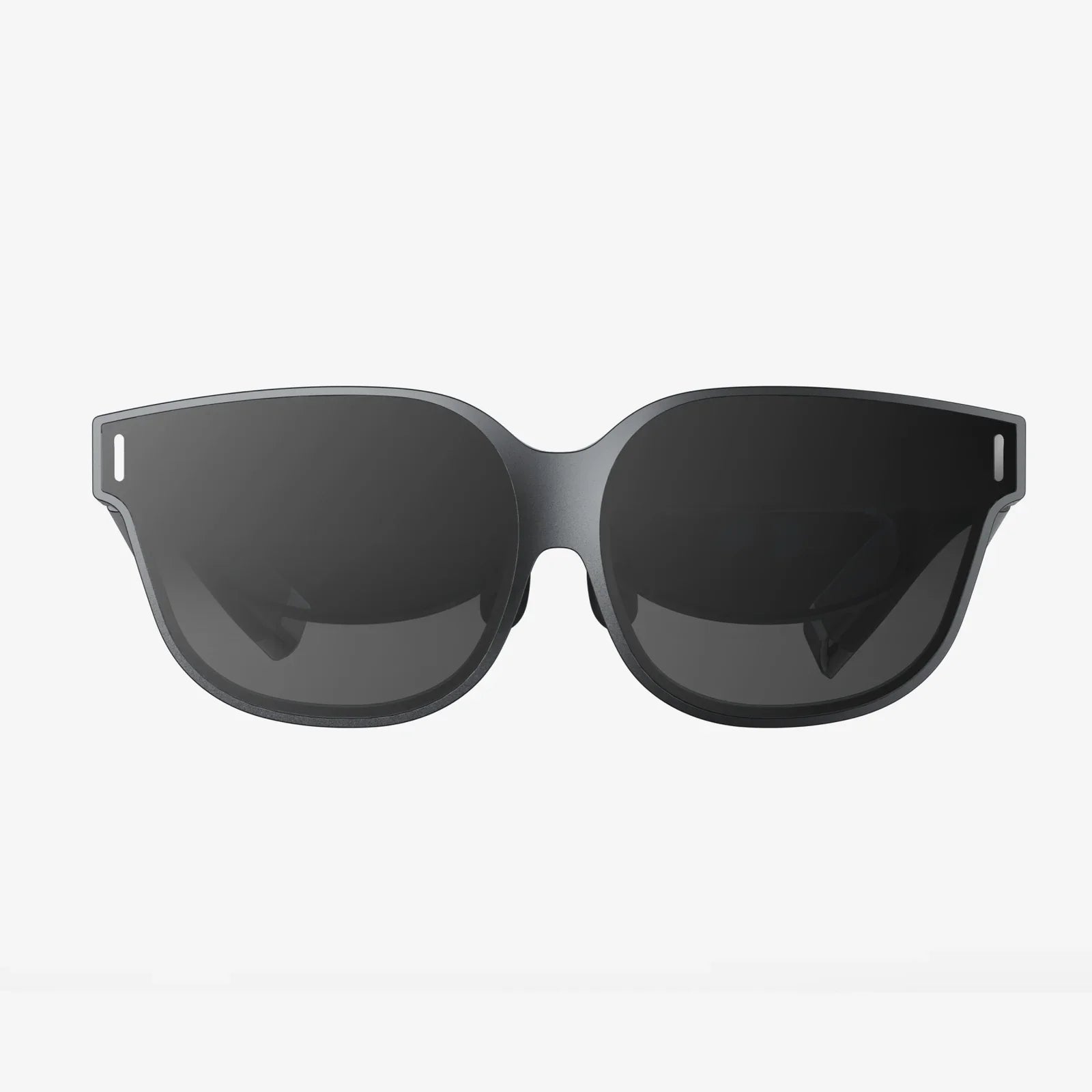
The most immediate and obvious evolution will be the hardware itself. The bulky, tethered, and sometimes nauseating headsets of the present will give way to sleek, lightweight, and ultimately invisible form factors. We are moving towards neural interfaces and photorealistic displays embedded in everyday eyewear. The goal is not to create a device you put on, but an environment you step into, seamlessly. Haptic feedback will evolve from simple vibrating controllers to full-body suits and even direct neural stimulation, allowing users to feel the warmth of a virtual sun or the texture of a digital object. The concept of a 'screen' will become obsolete, replaced by a pervasive, three-dimensional digital layer over our world.
The Spatial Internet and the Metaverse Matures
The current internet is a vast library of flat pages. The future internet, accessed through VR, will be a spatial, three-dimensional universe—often referred to as the metaverse. This won't be a single, walled-garden platform but a constellation of interconnected virtual spaces, much like websites today. You will navigate this spatial web not with a mouse and keyboard, but with your body, your voice, and your gaze. Shopping will involve walking through virtual stores and trying on digital clothing that perfectly maps to your body. Social media will transform into social presence, where you share experiences with friends in virtual environments, reading body language and making eye contact, fostering a depth of connection impossible through a video call.
Revolutionizing Industries from the Inside Out
The implications for enterprise and industry are staggering. Architects and engineers will walk clients through full-scale, photorealistic models of unbuilt structures, making changes in real-time. Surgeons will practice complex procedures on perfect digital replicas of a patient's anatomy, drastically reducing risk. Remote workers will no longer be little squares on a monitor; they will be avatars in a shared virtual office, able to spontaneously collaborate on 3D models and data visualizations that hang in the air between them. This will democratize expertise and access, allowing a top engineer in one country to 'beam' their presence onto a factory floor on the other side of the world.
The Future of Learning: Knowledge Through Experience
Education will undergo its most significant transformation since the invention of the printing press. History students won't just read about ancient Rome; they will walk its streets, hear the forum's debates, and witness the construction of the Colosseum. Medical students will journey through the human bloodstream or manipulate complex molecules with their hands. VR-based skills training will allow mechanics to master engine repairs, pilots to navigate emergency scenarios, and firefighters to train for dangerous blazes—all without any physical risk or resource cost. Learning will shift from passive absorption to active, experiential discovery.
Ethical Frontiers and the Human Condition
This powerful technology will not arrive without profound challenges and ethical dilemmas. The potential for addiction to idealized virtual worlds could be immense, leading to societal withdrawal. The concept of identity will blur as we spend significant portions of our lives as curated avatars. New forms of crime, from virtual asset theft to sensory harassment, will require entirely new legal frameworks. Perhaps the most pressing question will be one of access: will this immersive future become a privilege for the wealthy, creating a new digital divide between those who can afford enhanced reality and those who cannot? Navigating these issues will be as crucial as developing the technology itself.
A New Canvas for Human Creativity
Ultimately, VR's greatest gift may be to human creativity and expression. Artists will no longer be confined to a canvas or a screen; they will sculpt with light and sound in three dimensions, creating worlds to be explored. Filmmakers will become world-builders, offering narratives where the viewer is not a passive observer but an active participant within the story. Live events, from concerts to sporting events, will offer front-row seats to anyone, anywhere, creating a new global shared culture. VR will provide humanity with an infinite, malleable canvas to imagine, create, and share in ways we are only beginning to conceive.
The journey into virtuality is not about escaping our reality, but about expanding it. It offers the promise of overcoming physical and geographical limitations to connect, create, and understand our world and ourselves on a deeper level. The headset you might try on today is a keyhole—a glimpse into a future where the only limit is the imagination of the human spirit. The next great frontier isn't out in the stars; it's being built in the digital ether, and it's waiting for us to step inside.
Share:
BestBuy VR - Your Ultimate Guide to the Virtual Reality Universe
Display Head Up Technology: The Future on Your Windshield