


- by wangfred
VR iPhone 13 Pro: The Ultimate Guide to Unlocking a New Reality
- by wangfred
Imagine slipping a sleek, compact headset over your eyes and instantly being transported from your living room to the edge of a volcano, the front row of a concert, or the cockpit of a starship. This isn't a glimpse into a distant technological future; it's a reality you can unlock today, powered by a device you might already own. The fusion of high-fidelity virtual reality with the computational powerhouse of a modern smartphone is redefining accessibility in the immersive tech space, and one device stands out as a particularly capable key to these digital realms.
Not all smartphones are created equal, especially when it comes to the demanding requirements of high-quality virtual reality. The experience hinges on a device's ability to render two distinct, high-resolution images simultaneously at a blisteringly fast frame rate, all while tracking your head movements with imperceptible latency. This is where a specific flagship phone's architecture shines.
At the heart of the matter is a chipset engineered for unparalleled performance. Its CPU and GPU work in concert to handle complex 3D environments and physics calculations without breaking a sweat. This graphical processing muscle is absolutely critical; it ensures virtual worlds are rendered smoothly, preventing the jarring stutter or lag that can quickly lead to discomfort, effectively ruining the sense of "presence"—the feeling of actually being inside the virtual space.
Furthermore, the stunning Super Retina XDR display with ProMotion technology is arguably the most important component for VR. Its high resolution and pixel density are essential for creating a crisp, clear image. When a screen is magnified through VR lenses, individual pixels can become visible (a effect known as the "screen door effect"), shattering the illusion. The precise OLED panel mitigates this significantly. Moreover, the adaptive refresh rate up to 120Hz is a game-changer. This fluid motion makes on-screen movement incredibly lifelike and, most importantly, drastically reduces motion blur, which is a common contributor to cyber sickness.
While raw processing power and a beautiful display are vital, they are nothing without precise and accurate tracking. This is managed by a sophisticated array of sensors that act as the device's eyes and ears in the physical world.
This sensor fusion creates a robust 3-DoF (Degrees of Freedom) experience out of the box, perfect for 360-degree videos and games where you look around a fixed point. For the full 6-DoF experience—where you can lean, duck, and move physically within a space—this sensor data is combined with the headset's own external cameras, creating a complete and compellingly immersive tracking solution.
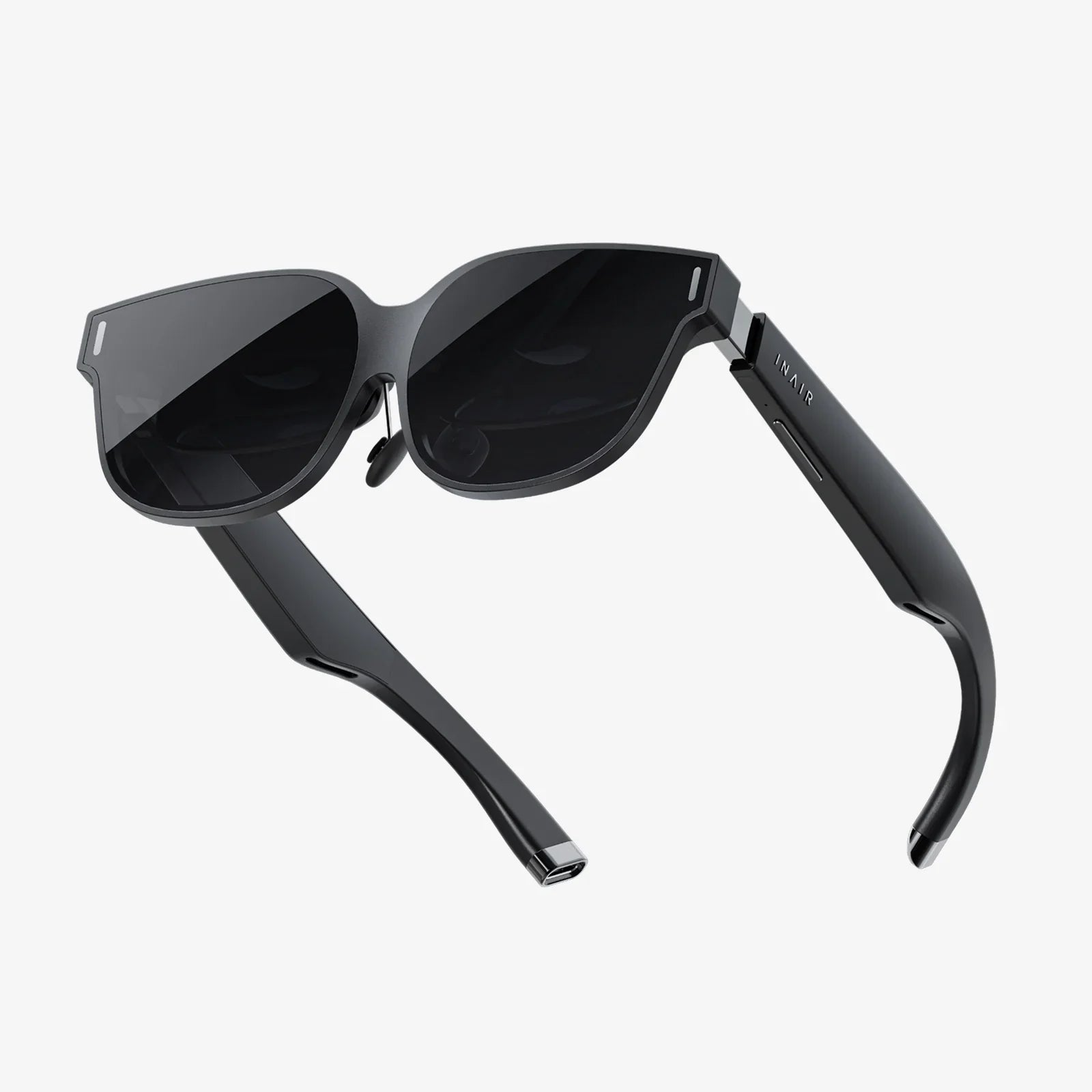
Your phone is the engine, but the headset is the vehicle. The market offers a spectrum of options, from astonishingly affordable to feature-rich premium models.
These are the entry point. Often made of cardboard or simple plastic, they lack any additional hardware. They rely entirely on the phone's internal sensors for head tracking. While they provide a fun and incredibly cheap way to watch 360-degree videos or play simple games, the experience is limited to 3-DoF and the potential for latency is higher, which can be uncomfortable for extended use.
This category represents the sweet spot for most users seeking a high-quality experience. These headsets are sophisticated pieces of kit that include their own crucial features:
Investing in a headset from this category unlocks the full potential of your device, transforming it from a simple viewer into a comprehensive VR system.
The hardware is a door, but the apps and games are the worlds behind it. The ecosystem is rich with experiences tailored for mobile-powered VR.
To ensure the best possible experience, a few simple steps are recommended. Always close background apps on your phone before launching a VR application to free up every ounce of processing power and RAM. Consider enabling Airplane Mode to prevent notifications from popping up and breaking your immersion. For longer sessions, keeping your phone plugged into a power source is advised, as rendering VR is computationally intensive and can drain the battery quickly.
The future of phone-based VR is intrinsically linked to the evolution of AR (Augmented Reality). The powerful processors and advanced sensors like LiDAR are laying the groundwork for sophisticated mixed reality experiences. We can anticipate a future where headsets become even lighter and more comfortable, and where the line between the virtual and the real becomes increasingly blurred, all powered by the compact supercomputer in your pocket.
You hold a portal to infinite worlds in your hand. It's more than a communication device or a camera; it's a ticket to explore, learn, game, and create in ways that were once the stuff of science fiction. The journey into virtual reality doesn't require a bulky, expensive desktop computer. It begins by recognizing the untapped potential of the sleek, powerful hardware you use every day, waiting only for you to take the leap and see what it can really do.