


- by wangfred
VR MR News: The Blurring Lines Between Reality and Virtuality
- by wangfred
Imagine slipping on a headset and instantly being transported to a front-row seat at a concert happening across the globe, or collaborating with a colleague's lifelike hologram who appears to be sitting across your kitchen table. This isn't science fiction; it's the rapidly evolving reality being delivered by the latest wave of Virtual Reality (VR) and Mixed Reality (MR) innovations. The pace of change is breathtaking, and staying informed is no longer optional for those who want to understand the future of human-computer interaction. The news emerging from labs and startups around the world points to a fundamental shift in how we will work, learn, play, and connect.
The technological landscape for immersive experiences is more vibrant and complex than ever before. While VR news often focuses on fully immersive, digital environments that replace your physical surroundings, MR news is generating even more excitement by blending the real and the virtual. Mixed Reality uses advanced sensors and cameras to understand your environment, allowing digital objects to interact with and be occluded by your real-world furniture, walls, and tools. This creates a seamless fusion that feels both magical and practical.
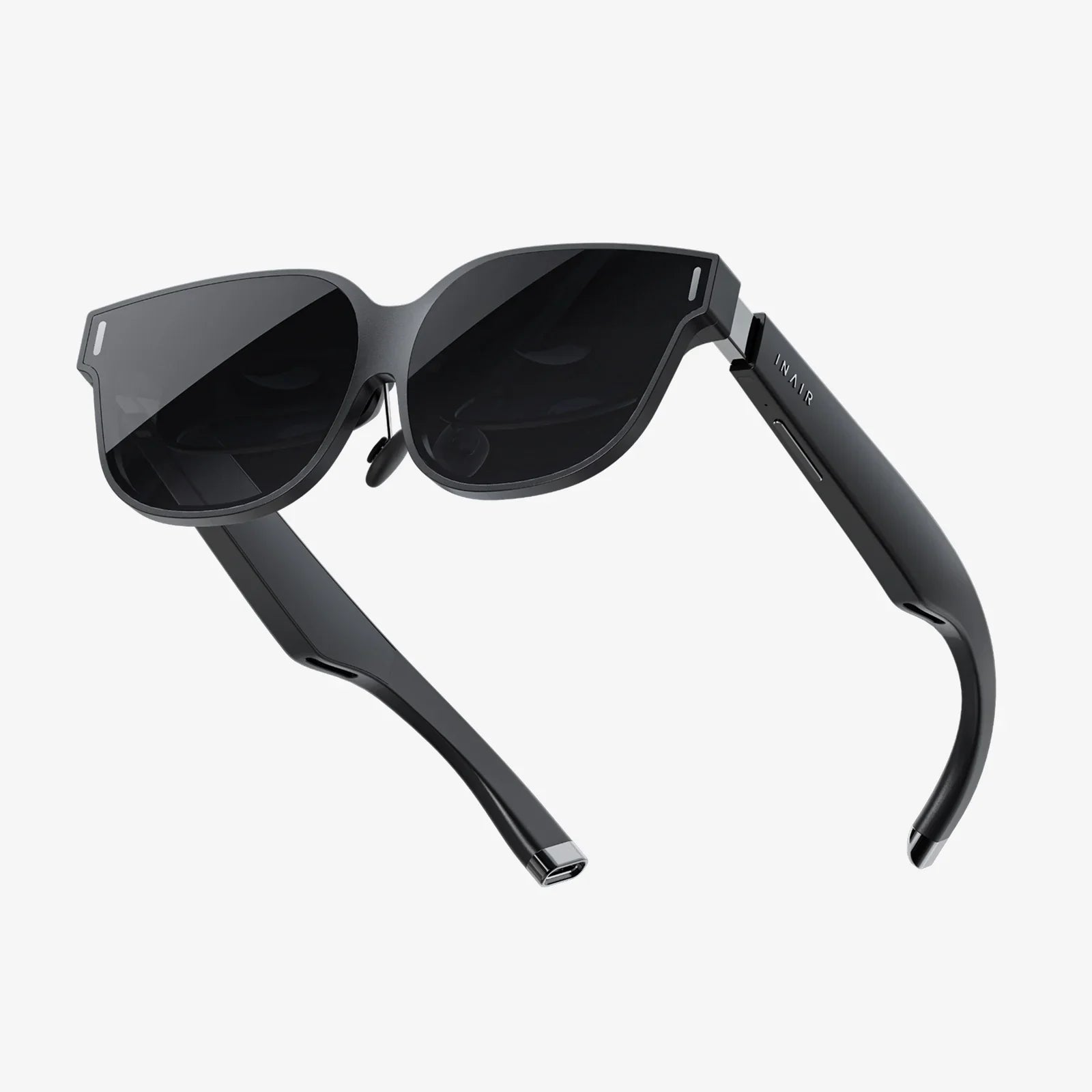
Recent headlines have been dominated by next-generation hardware. We're seeing a significant push towards untethered, all-in-one devices that offer high-fidelity experiences without the need for a powerful external computer. This democratization of access is a critical step towards mass adoption. Furthermore, advancements in display technology are tackling longstanding issues like screen-door effect and limited field of view, bringing us closer to displays that are indistinguishable from reality. Another major area of development is in input and interaction. The clumsy controllers of yesteryear are giving way to sophisticated hand-tracking algorithms that allow users to manipulate virtual objects with natural gestures, alongside eye-tracking that enables more intuitive interfaces and stunning performance optimizations through foveated rendering.
While consumer entertainment remains a powerful driver, some of the most compelling VR MR news is emerging from enterprise applications. Companies are investing heavily in these technologies to solve real-world business problems, train employees, and visualize complex data.
One of the most profound shifts heralded by recent VR MR news is the redefinition of social connection. The concept of the "metaverse"—a persistent network of shared, virtual spaces—has moved from niche jargon to mainstream discourse. Platforms are evolving that allow people to gather, socialize, attend events, and even work together using personalized avatars that convey body language and expression.
This has immense implications for reducing the isolation of remote work and connecting people across vast geographical distances. Virtual conferences, concerts, and meetups are becoming increasingly sophisticated, offering a sense of shared presence that flat video calls simply cannot replicate. The news here is not just about technological capability, but about cultural acceptance. As generations who grew up with digital worlds enter the workforce, the stigma around virtual interaction is fading, paving the way for these new forms of community and collaboration to flourish.
The healthcare sector is witnessing a revolution powered by immersive tech. VR is being used for exposure therapy, helping patients with phobias or PTSD confront and manage their triggers in a controlled, safe setting. It's also proving effective in pain management, distracting patients during painful procedures by immersing them in calming virtual environments.
MR is transforming medical education and surgery. Medical students can practice anatomy by dissecting detailed holographic cadavers, and surgeons can use MR to overlay critical information—like a patient's MRI scan—directly onto their field of view during an operation, improving precision and outcomes. The news from clinical trials continues to validate these approaches, suggesting that VR and MR will become standard tools in the medical toolkit.
Despite the exciting progress, the path forward is not without its obstacles. Consistent VR MR news coverage also highlights the significant challenges that must be addressed.
Looking beyond the current headlines, the future of VR and MR points towards even more seamless integration into our daily lives. Research into haptic feedback suits and gloves aims to add the sense of touch to virtual experiences. Brain-computer interfaces, though far off, hint at a future where we might control digital worlds with our thoughts alone. The ultimate goal is a pair of stylish, lightweight glasses that can effortlessly toggle between a transparent AR mode and an immersive VR mode, becoming our primary portal to digital information and experiences.
The most important trend is the inevitable convergence of AI with VR and MR. Artificial intelligence will power smarter, more responsive virtual environments and more lifelike digital humans. AI will also be crucial in solving complex technical challenges like real-time world reconstruction and natural language interaction within these spaces. The synergy between these technologies will unlock possibilities we are only beginning to imagine.
The stream of VR MR news is a constant reminder that the boundaries between our physical and digital lives are dissolving. This isn't about escaping reality, but about augmenting it, enhancing it, and connecting with it in deeper, more meaningful ways. The devices are becoming portals to new forms of creativity, empathy, and understanding. The question is no longer if this future will arrive, but how quickly we can adapt to harness its full potential for good. The next headline could announce the breakthrough that makes it all commonplace, transforming the way every single one of us sees the world.
Share:
VR Headset Hololens: The Unseen Revolution in How We Interact With Reality
How to Mirror VR Headset to TV: The Ultimate Guide for Immersive Sharing