


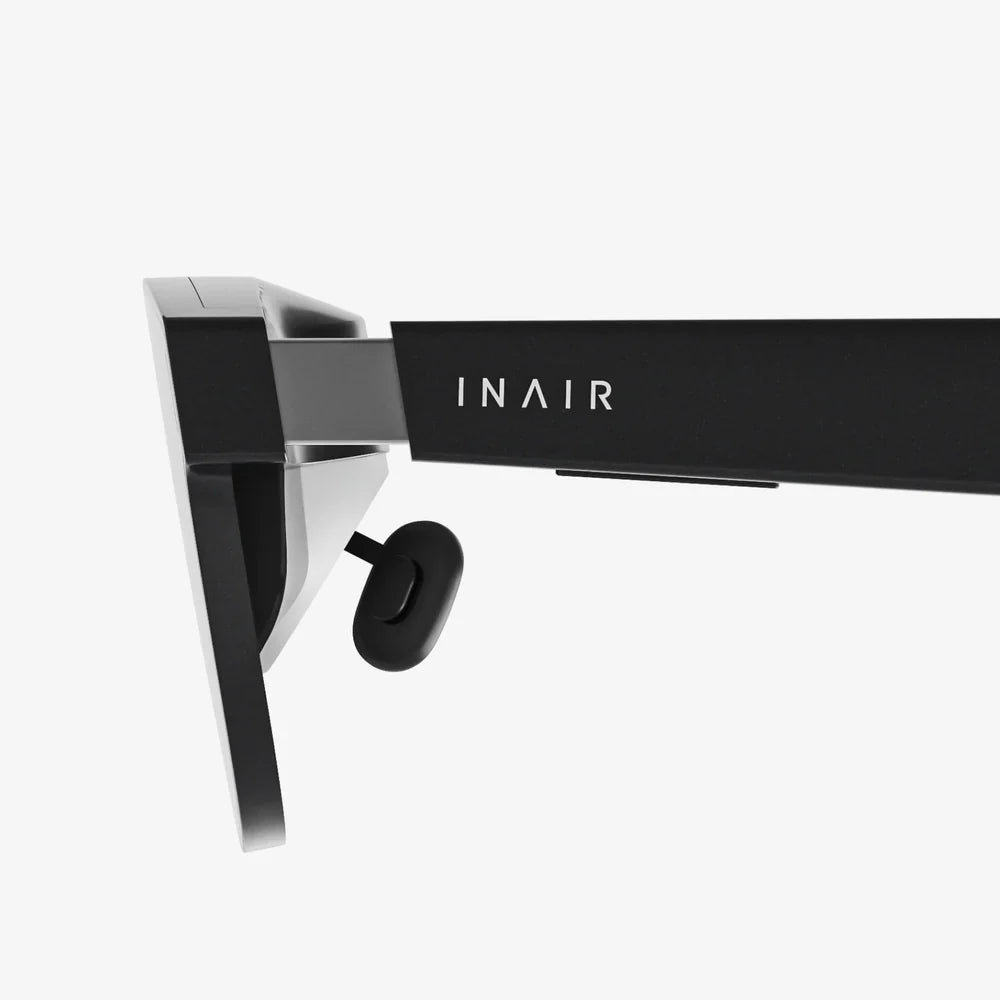
Imagine slipping on a headset and being instantly transported. Not to a pixelated approximation of a world, but to a place that feels startlingly real, where the inky blackness of space is truly absolute and the vibrant glow of a neon sign feels like it’s burning itself onto your retina. This isn’t the future of virtual reality; this is the transformative present, powered by a silent revolution in display technology. The marriage of VR and OLED is unlocking a level of immersion previously confined to science fiction, making the digital feel tangible and the impossible, perceptible.
The Core of the Experience: Understanding the Display
At the heart of every virtual reality experience lies the display. It is the sole conduit of visual information, the window into the crafted digital realm. For years, the technology of choice was LCD (Liquid Crystal Display). While capable and cost-effective, LCDs have inherent limitations that create a tangible barrier to true immersion. They require a backlight, which means blacks are often rendered as murky grays, and their pixel response times, while improved, can lead to motion blur and ghosting during fast-paced VR sequences. These technical shortcomings constantly remind the user that they are looking at a screen.
OLED, or Organic Light-Emitting Diode, technology operates on a fundamentally different principle. Each pixel in an OLED panel is its own microscopic light source. When an electrical current is applied, the organic compounds within each pixel emit their own light. This simple yet profound difference is the catalyst for a seismic shift in visual fidelity within VR headsets.
The Pillars of Superiority: Why OLED Dominates in VR
The architectural advantages of OLED technology translate directly into tangible benefits that are particularly impactful in a virtual environment worn just centimeters from the eyes.
Perfect Blacks and Infinite Contrast
This is arguably the most significant benefit. Because each pixel produces its own light, it can also turn off completely. When a scene calls for absolute black—the depths of a cave, the void of space, a shadowy corridor—an OLED pixel simply switches off. The result is a black that is the absence of light, not a dimmed approximation. This creates a contrast ratio that is effectively infinite. Bright elements, like stars against the cosmos or UI elements in a dark game, pop with an intensity and realism that LCDs cannot match. This depth and dynamicity add a layer of visual richness that is crucial for selling the illusion of reality.
Lightning-Fast Response Times
Motion is everything in VR. From quick head turns to the frantic action of a game, any lag or blurring can break immersion and, worse, contribute to simulator sickness. OLED pixels can change state incredibly quickly, often in microseconds. This eliminates the motion blur and smearing (often called “ghosting”) associated with slower LCD pixels. The image remains crisp and clear during rapid movement, which is not only more comfortable for the user but also critically important for maintaining a stable and convincing virtual world.
Vivid Color and High Dynamic Range (HDR)
The ability of OLED pixels to emit light directly allows for exceptional color gamut and saturation. Colors appear more vibrant and true-to-life. Furthermore, this technology is inherently suited for High Dynamic Range (HDR) content. HDR allows for a much broader range of luminance, meaning a headset can display incredibly bright highlights right alongside those perfect blacks simultaneously. This mimics how the human eye perceives light in the real world, adding another powerful tool for developers to create breathtaking, realistic scenes—from the subtle glow of moonlight on water to the explosive brilliance of a supernova.
Potential for New Form Factors
OLED panels can be made on flexible substrates. This opens the door to innovative optical designs for future VR headsets, potentially allowing for curved displays that better match the optics of the human eye or even more compact and lightweight form factors, reducing the bulkiness that can be a barrier to long-term comfort.
Addressing the Historical Challenges: Not a Perfect Past
It is important to acknowledge that OLED’s journey in VR has not been without its hurdles. Early implementations faced two significant criticisms that led many manufacturers to initially favor LCD.
Screen Door Effect and Pixel Density
The screen door effect (SDE) is the visible grid-like pattern between pixels, making it seem like one is viewing the virtual world through a fine mesh screen. Early OLED VR displays often used a Pentile matrix subpixel arrangement. This arrangement shares subpixels between pixels to boost perceived resolution, but it can also make the gaps between pixels more noticeable, exacerbating the SDE, especially when compared to an RGB-striped LCD of the same resolution. This was a major drawback for first-generation high-end headsets that utilized OLED technology.
Persistent Image and Mura
Like their television counterparts, early VR OLED panels were susceptible to image retention or, in extreme cases, burn-in if a static image was displayed for a very long time. While less of a concern for dynamic VR content, it was a consideration. Another issue was “mura,” a term derived from the Japanese word for unevenness. Mura refers to slight variations in luminance between pixels, which can manifest as a faint, cloudy, or dirty screen effect, particularly in dark scenes. This inconsistency could detract from the otherwise perfect blacks.
The Modern Renaissance: Technological Evolution
The narrative around OLED in VR has changed dramatically due to relentless innovation. The industry did not abandon OLED; it evolved it specifically for the unique demands of virtual reality.
Advanced Pixel Structures
Newer OLED microdisplays have moved beyond traditional Pentile layouts. Technologies like RGB-OLED now place dedicated red, green, and blue subpixels for every single pixel, dramatically increasing fill factor and eliminating the screen door effect that plagued earlier models. The pixels are packed so densely that the human eye can no longer discern the gaps, resulting in a seamlessly smooth image.
Custom Silicon and Compensation Algorithms
Modern headsets leveraging OLED are equipped with sophisticated driver chips and software algorithms. These systems perform real-time monitoring and compensation for any potential Mura effects, ensuring perfect uniformity across the entire panel. They also manage pixel refresh cycles to mitigate any risk of image retention, making it a non-issue for consumer use.
The Rise of Micro-OLED
The true game-changer is Micro-OLED (sometimes called OLEDoS or Silicon OLED). This technology fabricates the OLED layer directly onto a silicon wafer, the same substrate used for computer chips. This allows for astonishingly high pixel densities in an incredibly small form factor. Micro-OLED panels are compact, incredibly sharp, and possess all the inherent benefits of standard OLED—perfect blacks, fast response, and vibrant colors—while completely overcoming the historical challenges of SDE and size. They represent the bleeding edge of display technology for VR and mixed reality devices.
The User Experience: A Tangible Leap Forward
For the end-user, these technical advancements translate into an experience that feels qualitatively different.
In a horror game, the darkness is no longer just a shaded area on the screen; it is a palpable, terrifying void. A flickering candle in that darkness becomes a beacon of genuine light, its glow feeling warm and isolated. In a space simulator, the blackness between stars is as profound and empty as the real thing, making the celestial bodies themselves feel distant and awe-inspiring. In creative or professional applications, colors are accurate and consistent, and fine details are rendered with crisp clarity, free from the haze of motion blur.
This reduction in visual artifacts and the increase in perceived dynamism also contribute to physical comfort. The faster response times and clearer imagery during movement significantly reduce the cognitive strain that can lead to VR-induced nausea for some users, allowing for longer, more enjoyable sessions.
The Future is Bright, and Dark
The trajectory of VR OLED is one of convergence. As the technology continues to mature, costs will decrease, and yields will improve, making it accessible to a broader market beyond just flagship devices. We are moving towards a future where the sublime visual quality offered by advanced OLED displays becomes the expected standard for any high-fidelity VR experience.
The next frontier will likely involve further enhancements to HDR capabilities, pushing peak brightness levels even higher to convincingly simulate sunlight and other extreme light sources. We will also see the integration of these displays with advanced eye-tracking and foveated rendering. This technology allows the headset to render only the specific area where the user’s eyes are looking in full resolution, while intelligently reducing the rendering load in the peripheral vision. When paired with an OLED display, this creates an incredibly efficient and breathtakingly realistic visual pipeline that is both高性能 and stunningly beautiful.
The path to perfect immersion is paved with photons, and OLED technology is currently the master of their creation. It understands that to create a truly convincing light, one must first master the absolute absence of it. This fundamental command over the very nature of light and dark is what makes VR OLED not just an incremental upgrade, but the foundational step into the next era of virtual reality—an era where the line between the digital and the physical finally begins to fade.
You’ve read about the revolution, but to truly understand it, you must see it—or rather, not see the technology at all. The ultimate testament to VR OLED's success is an experience so seamless and visually flawless that the headset on your face, the screen in front of your eyes, simply vanishes, leaving only the world it creates. That moment of pure, unadulterated presence, where your brain accepts the digital realm as reality, is the promise this technology keeps. The next time you step into a virtual world, you'll know it's the profound, perfect blackness behind the image that makes everything else feel brilliantly, breathtakingly real.
Share:
Safety Glasses With Bluetooth Speakers: The Ultimate Guide to Protected Hearing and Vision
Real Hologram Technology: The Future of Visual Communication is Here