


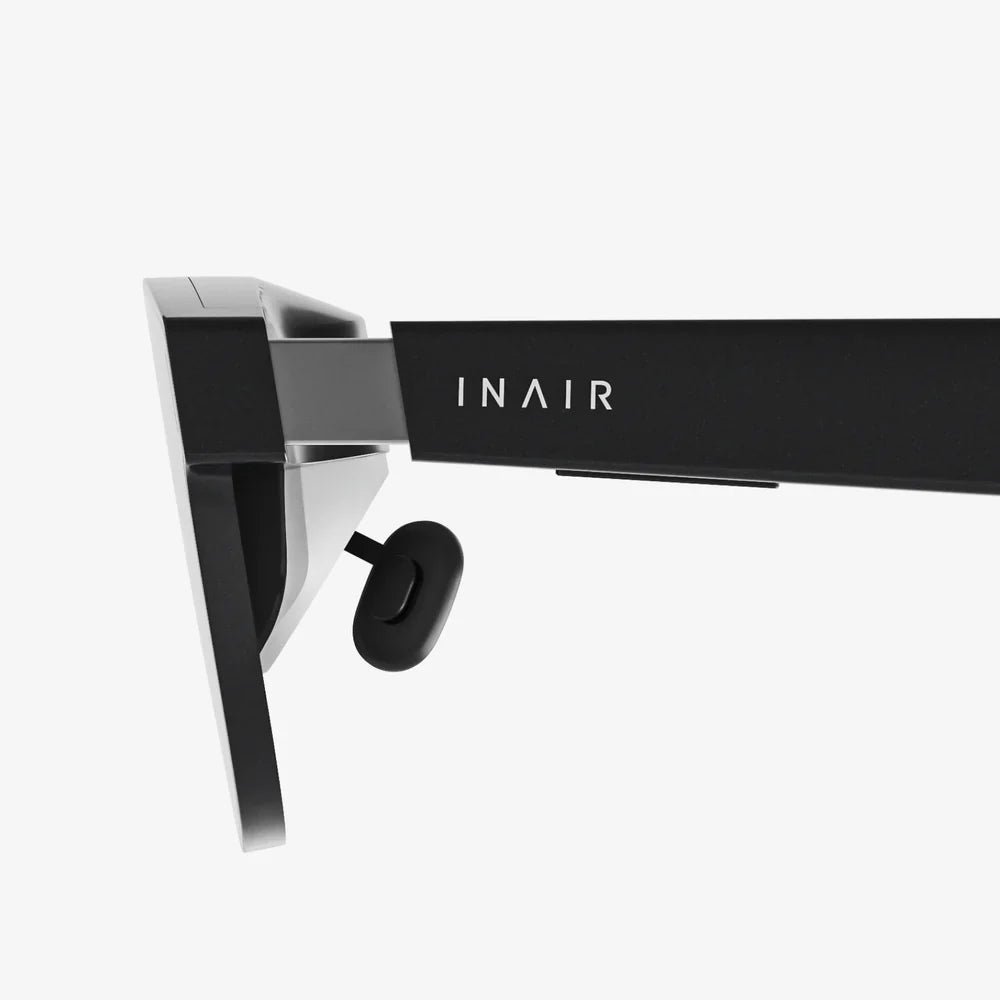
Imagine slipping on a device and instantly being transported. The familiar confines of your room dissolve, replaced by the vertiginous peak of a mountain, the meticulous cockpit of a spacecraft, or a front-row seat at a concert happening a thousand miles away. This is the promise, the magic, and the profound power of the modern VR reality headset. It’s more than just a piece of technology; it’s a passport to impossible experiences, a tool for unprecedented creation, and a window into a future where the line between the digital and the physical is beautifully, thrillingly blurred. The journey into these immersive worlds begins with a single, deliberate act: putting on the headset.
The Core Technology: How a VR Headset Creates a New Reality
At its heart, a VR reality headset is a masterclass in sensory deception. It is an engineered illusion, a device designed to trick your brain into accepting a digital construct as your environment. This complex trickery is achieved through a symphony of integrated technologies working in perfect harmony.
Visual Immersion: The Windows to Virtual Worlds
The primary gateway to virtual reality is sight. Every headset features a pair of high-resolution displays, one for each eye, positioned mere centimeters from the user's face. These displays are viewed through specialized lenses that warp and focus the image to fill the user’s entire field of view (FOV). A wider FOV is crucial for immersion, as it prevents the distracting "binocular" effect and makes the virtual world feel vast and all-encompassing.
Another critical visual technology is a high refresh rate. Early VR systems suffered from laggy, low-refresh-rate visuals that could induce motion sickness. Modern headsets push refresh rates of 90Hz, 120Hz, and even higher, ensuring buttery-smooth motion that keeps the experience comfortable and believable. This is often paired with features like foveated rendering, a technique that uses eye-tracking to render the center of the user's gaze in high detail while subtly reducing the quality in their peripheral vision, a massive performance saving that our own eyes naturally don't notice.
Precision Tracking: Knowing Where You Are
For the illusion to hold, the virtual world must react to your movements with perfect, instantaneous precision. This is achieved through sophisticated tracking systems. There are two primary methods:
- Inside-Out Tracking: Cameras mounted on the headset itself look outward, tracking the position of the controllers and identifying unique features in your physical environment. This creates a virtual map of your room, allowing the system to understand your position and movement within it without the need for external sensors. It offers fantastic freedom and ease of setup.
- Outside-In Tracking: External sensors or base stations are placed around the play area. These devices emit lasers or track lights on the headset and controllers, providing extremely high-fidelity, low-latency positional data. This method is often favored by enthusiasts for its pinpoint accuracy, especially for full-body tracking applications.
Spatial Audio and Haptic Feedback: Completing the Illusion
Immersion isn't just visual. Sound is a powerful, often underestimated component of presence. VR systems employ 3D spatial audio, which mimics how sound behaves in the real world. A noise behind you will sound like it's coming from behind you. The creak of a floorboard to your left will be perceptible in your left ear. This auditory layer adds immense depth and realism to the experience.
Finally, haptic feedback provides the sense of touch. Advanced controllers vibrate and pulse in nuanced ways to simulate the recoil of a weapon, the impact of a virtual basketball, or the gentle brush of a butterfly's wing. This tactile connection to the digital world is a final, crucial step in convincing your brain that what you are experiencing is real.
Beyond Gaming: The Expansive Applications of VR
While gaming remains the most visible and popular application, the utility of VR reality headsets extends far beyond entertainment. They are becoming indispensable tools across a wide spectrum of professional and creative fields.
Revolutionizing Education and Training
VR offers a paradigm shift from learning about something to experiencing it. Medical students can perform intricate virtual surgeries without risk, allowing for mistake-driven learning. History classes can take field trips to ancient Rome, walking through the Forum as it stood millennia ago. Astronauts train for complex spacewalks in meticulously simulated zero-gravity environments. Corporate employees can practice public speaking or difficult conversations with virtual avatars. The potential for safe, scalable, and deeply memorable training is limitless.
Transforming Design and Architecture
For architects, engineers, and product designers, VR is a revolutionary prototyping tool. Instead of viewing a building design on a 2D screen, they can step inside it at a 1:1 scale. They can assess sightlines, test ergonomics, and experience the flow of a space long before a single brick is laid. Car manufacturers design and test vehicle interiors in VR, allowing for rapid iteration and user testing. This "hands-on" interaction with digital prototypes saves immense amounts of time and resources.
Enhancing Remote Collaboration and Social Connection
The concept of the "metaverse" is fundamentally about shared virtual spaces. VR headsets are the primary hardware for accessing these spaces, enabling a new form of remote collaboration. Colleagues from across the globe can meet in a virtual boardroom, interacting with 3D models and data visualizations as if they were physical objects. Friends can gather in a virtual cinema to watch a movie together, their avatars expressing laughter and conversation. This technology promises to make digital human interaction more natural, expressive, and meaningful than a grid of video call faces ever could.
Pioneering Therapeutic and Healthcare Uses
The healthcare industry is embracing VR for both treatment and therapy. Exposure therapy in VR allows patients with phobias, such as a fear of heights or flying, to confront their triggers in a controlled, safe environment. It is used for pain management, distracting burn victims during painful wound care procedures. VR-based physical therapy can turn repetitive exercises into engaging games, improving patient motivation and outcomes. The ability to create controlled, repeatable virtual environments is a powerful tool for medical professionals.
Navigating the Challenges and Considerations
Despite its incredible potential, the world of VR is not without its hurdles. For the technology to achieve mass adoption, several challenges must be addressed.
The Comfort and Accessibility Hurdle
Early headsets were often heavy, cumbersome, and tethered to powerful computers. While wireless technology and better ergonomics have made huge strides, comfort remains a barrier for long sessions. Finding the right fit, managing potential eye strain, and dealing with the isolated feeling of being cut off from the real world (a phenomenon sometimes called "simulator disassociation") are all factors users must contend with. Furthermore, the cost of high-end hardware, while decreasing, can still be prohibitive for many.
The Quest for the "Killer App"
While there are many fantastic VR experiences, the industry is still searching for the definitive, must-have application that would drive everyone to own a headset, akin to what the spreadsheet was for the personal computer. Is it a social platform? A revolutionary productivity suite? A game that redefines interactive storytelling? This elusive application will likely be the catalyst for the next major growth phase.
Ethical and Social Implications
As we spend more time in immersive digital worlds, important questions arise. Issues of data privacy become paramount—what do companies learn about us by tracking our movements, gaze, and interactions in VR? The potential for hyper-realistic misinformation or manipulative experiences is a concern. Furthermore, as the experiences become more compelling, society will have to grapple with the potential for addiction and the further blurring of lines between our digital and physical lives.
The Future is Immersive: What Lies Ahead for VR Headsets
The trajectory of VR technology points toward a future of even greater immersion and seamlessness. We are moving toward headsets that are lighter, more powerful, and with ever-higher resolution displays approaching the limits of human visual perception. The next great leap will be the integration of more natural interfaces.
Eye-tracking and facial expression tracking will allow our avatars to truly reflect our emotions, making social interactions vastly more authentic. Haptic technology will evolve from simple controller vibrations to full-body suits and gloves that provide realistic tactile feedback. Perhaps the ultimate goal is neural interfaces, allowing for direct communication between the brain and the virtual world, bypassing controllers entirely.
We are also moving toward a fusion of VR and AR (Augmented Reality), often referred to as Mixed Reality (MR). Future headsets will likely be able to switch seamlessly between fully immersive virtual worlds and digitally augmented versions of our physical reality, all within the same device. This will erase the final barriers, making the headset not just a portal for escape, but an integral layer enhancing our everyday perception of the world around us.
The humble VR reality headset is far more than a gaming peripheral. It is the foundational technology for the next major computing platform, a tool for profound human connection, and a canvas for limitless creativity. It challenges our perceptions of reality itself and offers a glimpse into a future where our physical and digital lives are not separate realms, but a continuous, interconnected spectrum of experience. The headset is on; the door is open. All that remains is for you to take that first step through.
Share:
Future VR Headset: The Next Decade of Immersive Technology and Its Impact on Society
What is AR Reality - Bridging Our Digital and Physical Worlds