


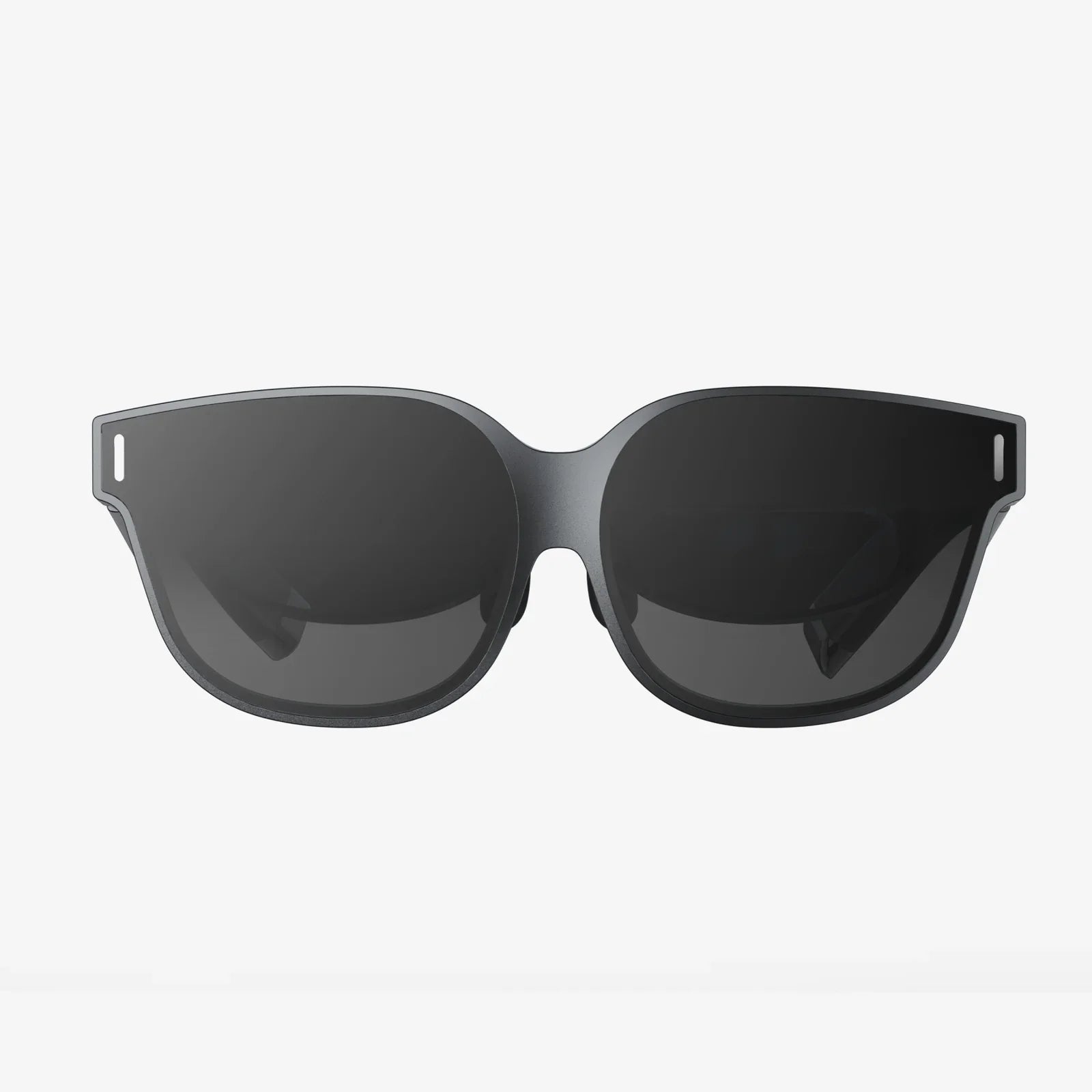
Imagine slipping on a headset and being instantly transported. The roar of a distant spaceship engine vibrates through your very being, the intricate wiring of a virtual cockpit responds to your touch, and the sheer scale of a digital colossus looming above you triggers a genuine, breathless awe. This isn't the future; it's the present, powered by the incredible fusion of VR reality and the PC. This combination represents the absolute pinnacle of virtual immersion, a gateway to worlds unbound by the limits of physics or imagination. For those seeking not just an experience but an expedition into the deepest realms of digital possibility, the journey begins here.
The Unbeatable Synergy: Why a PC is the Heart of High-End VR
While standalone VR headsets offer commendable convenience and accessibility, they operate within the constraints of mobile-grade processors and batteries. A VR reality PC setup, in contrast, is a different beast entirely. It leverages the raw, untethered power of desktop computing to deliver experiences that are richer, sharper, and profoundly more immersive. The relationship is symbiotic: VR provides the purpose, and the PC provides the performance.
The primary advantage lies in graphical fidelity. A powerful graphics card, the workhorse of any VR-ready PC, renders two high-resolution displays (one for each eye) at exceptionally high frame rates—typically 90Hz or higher. This is non-negotiable. This high refresh rate is critical for maintaining user comfort and preventing the motion sickness often associated with lower-performing systems. It ensures the virtual world feels solid, responsive, and real.
Furthermore, the PC's robust central processing unit (CPU) handles the complex physics simulations, advanced artificial intelligence of non-player characters, and intricate game logic that bring these virtual worlds to life. From the way fabric drapes over an object to the complex crowd behaviors in a virtual city, it's the CPU that makes the world believable. This computational overhead is simply impossible for a mobile chip to replicate with the same depth and complexity.
Decoding the Hardware: Building Your VR-Ready Powerhouse
Assembling a PC for VR isn't about buying the most expensive component available; it's about creating a balanced and powerful system where no single part becomes a bottleneck. Let's break down the core components.
The Graphics Processing Unit (GPU): Your Portal's Engine
The GPU is undoubtedly the most critical component for a high-end VR experience. It is responsible for generating the vast, detailed, and fluid landscapes you see inside the headset. When selecting a GPU, you must look beyond baseline minimum specifications. Aim for a card that is classified as well above the recommended requirements for the headsets available on the market. This headroom is essential for enabling super-sampling (rendering at a higher resolution than the display for a crisper image), maintaining stable frame rates in demanding scenes, and future-proofing your system for upcoming software.
The Central Processing Unit (CPU): The Master Conductor
Think of the CPU as the orchestra conductor of your PC. While the GPU paints the picture, the CPU directs all the elements that make the scene dynamic and interactive. A modern, multi-core processor is highly recommended. It manages everything from enemy AI and physics calculations to audio processing and background tasks. A powerful CPU ensures that the world reacts to your presence intelligently and without hesitation, preventing stutters or lag that can shatter immersion.
Memory and Storage: The Foundation of Fluidity
Random Access Memory (RAM) is your system's short-term memory. VR applications are notoriously hungry for RAM, and 16 gigabytes has become the comfortable standard for a high-end setup. This allows for smooth operation of the VR title itself, along with necessary system processes and other supporting software.
For storage, a Solid-State Drive (SSD) is practically mandatory. The immense asset loads required by VR environments—textures, models, sound files—are enormous. An SSD drastically reduces loading times, often to a matter of seconds, and can prevent in-game stuttering as new areas are streamed in, keeping you firmly planted in the experience.
Power, Cooling, and the Motherboard
This powerful hardware requires stable and ample power. Do not underestimate the importance of a high-quality power supply unit (PSU) with enough wattage to support your components under full load. Similarly, effective cooling, through a combination of well-placed case fans and a capable CPU cooler, is vital to prevent thermal throttling, which can cause performance drops at critical moments. The motherboard acts as the central nervous system, tying everything together. Choose a model with robust power delivery, sufficient connectivity for all your peripherals, and support for modern standards.
Beyond the Box: Essential Peripherals and Setup
The PC is the brain, but the peripherals are the senses and limbs of your VR rig.
Headset Selection: Your Window to Another World
The headset is your interface with the virtual world. Modern PC-connected headsets generally fall into two categories: those that use external sensors or base stations for tracking, and those with inside-out tracking (where cameras on the headset itself map the environment). External tracking often provides the absolute pinnacle of precision and is favored by competitive users and professional applications. Inside-out tracking offers fantastic ease of setup and portability, with its accuracy constantly improving. Key specifications to consider include display resolution, refresh rate, field of view, and lens quality.
Motion Controllers and The Play Space
VR motion controllers are your hands in the virtual world. They track your gestures, allowing you to grab, push, throw, and interact with stunning intuition. Most headsets come bundled with their own designed controllers. The other crucial element is your physical play space. Whether you choose a seated, standing, or room-scale experience, ensuring you have a clear, safe area free of obstacles is paramount for both enjoyment and safety.
A Universe of Experiences: What Can You Actually Do?
The power of a VR reality PC is meaningless without compelling software to harness it. The library of experiences is vast and diverse.
- Gaming: This is the most well-known application. From heart-pounding horror titles and intricate puzzle adventures to incredibly realistic flight and racing simulators, PC VR gaming offers depth and visual quality that is unmatched. You are no longer playing a character; you are that character.
- Social and Creative Platforms: Step into social hubs where you can meet people from around the world, watch movies together in a virtual cinema, or attend live events. Creative tools allow you to sculpt, paint, and design in 3D space as if the digital clay were in your hands.
- Professional and Educational Applications: Architects walk clients through unbuilt designs, medical students practice complex procedures without risk, and historians recreate ancient cities for students to explore firsthand. The potential for training and education is revolutionary.
Optimizing Your Journey: Tips for a Flawless Experience
To ensure your foray into VR is smooth, consider these final tips. Always keep your GPU drivers updated, as new releases often include performance optimizations for the latest titles. Take the time to correctly set up your play space boundaries within your VR software to avoid real-world collisions. Most importantly, start slowly. If you are new to VR, begin with less intense experiences to allow your body to acclimatize to the sensation of virtual reality. Take regular breaks, stay hydrated, and never push through feelings of discomfort.
The true magic of a VR reality PC setup lies in its ability to dissolve the barrier between the digital and the physical. It’s the slight, involuntary duck of your head to avoid a low-hanging virtual beam, the genuine flinch from an oncoming object, and the unforgettable moment you forget the weight of the headset and simply exist in another place. This is more than entertainment; it's the first step toward new realities, and your powerful PC is the key that unlocks the door. The next world is waiting for you to log in.
Share:
Discovery of Augmented Reality: A Journey from Concept to Cultural Phenomenon
Discovery of Augmented Reality: A Journey from Concept to Cultural Phenomenon