


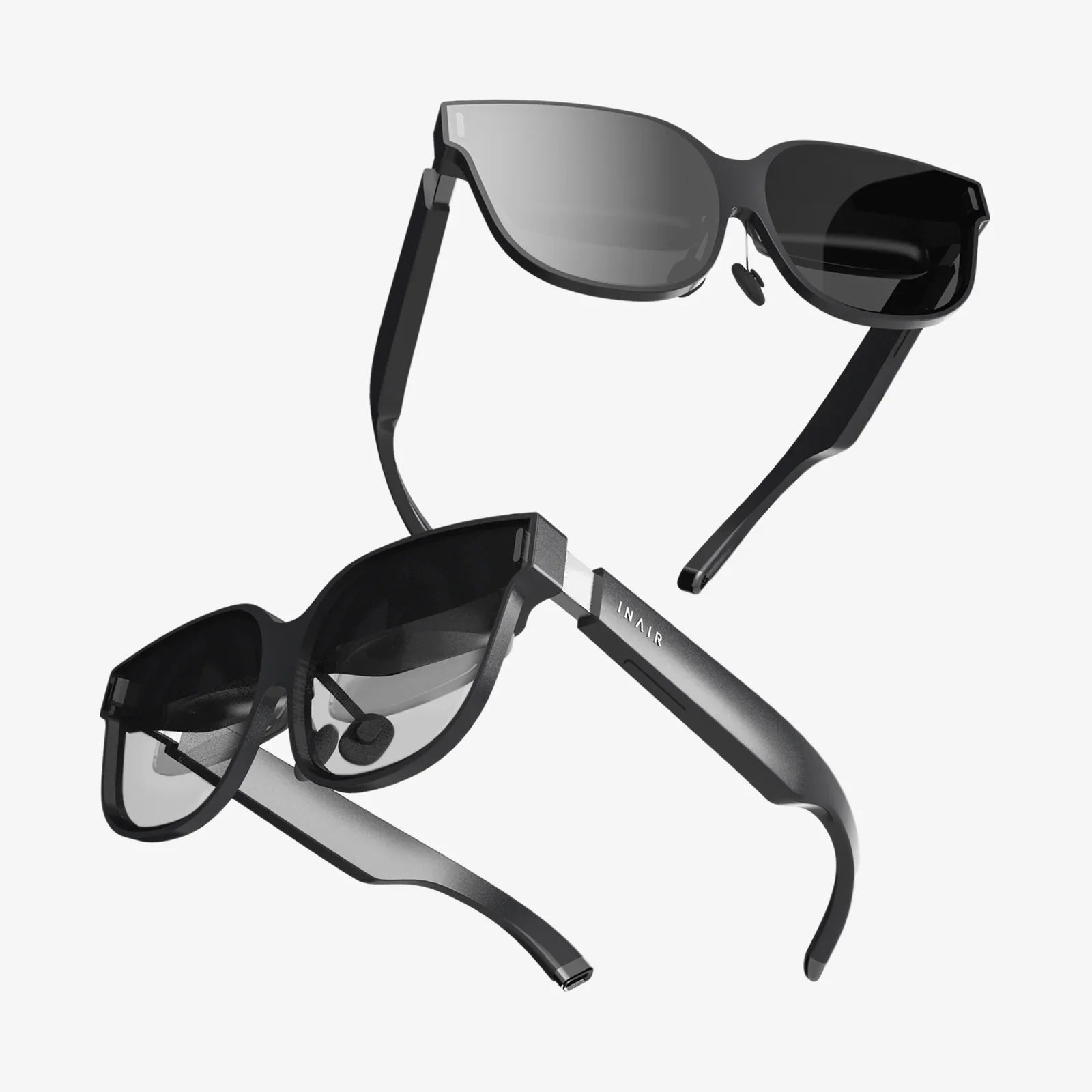
Imagine slipping on a headset and instantly teleporting to the edge of a volcano, the heat of magma a palpable fiction on your skin. Or standing on the surface of Mars, the red dust crunching under your virtual boots as you gaze at a pale, distant sun. This is the unparalleled promise of VR reality—a technology that doesn’t just show you another world but convinces your entire being that you are there. It’s the closest humanity has come to a true magic trick, a digital alchemy that transforms ones and zeros into experience. For the curious, the innovators, and the dreamers, VR represents not just a new way to play, but a new way to be.
The Architecture of Illusion: How VR Reality Hijacks Your Senses
At its core, VR reality is a sophisticated confidence game played on the human brain. Its entire purpose is to create a state known as presence—the undeniable, often unsettling feeling that you are physically located in a digital environment. Achieving this feat requires a multi-sensory orchestration that exploits the way we perceive the world.
The primary tools in this endeavor are stereoscopic visuals and precise head-tracking. By presenting a slightly different image to each eye, VR headsets create the illusion of depth and three-dimensionality. But the real magic happens when you move your head. Low-latency sensors track your head's orientation and position in real-time, adjusting the scene perspective instantly. This creates a stable, coherent world that moves with you, reinforcing the illusion that the virtual space is a fixed, physical place. Any lag or miscalculation in this tracking instantly shatters the illusion, often leading to the nausea associated with simulator sickness.
Beyond sight, spatial audio is a critical, yet often overlooked, component. Sounds in a high-fidelity VR environment behave as they do in real life: a voice from your left is louder in your left ear, and echoes in a cavernous hall sound distant and diffuse. This auditory layer adds immense depth and realism, allowing you to locate objects and events without seeing them, further anchoring you in the simulation.
The next frontier of immersion is haptic feedback. While visual and auditory immersion transport your mind, haptics seek to convince your body. This ranges from simple controller vibrations that simulate a gun's recoil to more advanced vests that can convey the impact of a punch or the rumble of an explosion. The ultimate goal is full-body haptic suits and even neurostimulation, which could one day simulate the feeling of rain, wind, or the touch of a virtual object.
Beyond the Game: The Expansive Universe of VR Applications
While gaming provided the initial commercial thrust for VR reality, its potential applications are rapidly expanding into nearly every facet of professional and personal life, proving it to be a tool of immense utilitarian value.
Revolutionizing Education and Training
VR reality transforms learning from a passive activity into an active, experiential journey. Instead of reading about ancient Rome, students can walk its streets, hear the forum's chatter, and look up at the towering temples. Medical students can practice complex surgical procedures on virtual patients, making mistakes without consequence and honing their skills in a risk-free environment. Similarly, pilots, soldiers, and surgeons all use high-fidelity VR simulators for training, saving millions in costs while providing access to scenarios that would be too dangerous, expensive, or rare to replicate in the real world.
The Future of Remote Work and Collaboration
The concept of the "metaverse" is intrinsically linked to VR. It envisions a persistent, shared virtual space where people can work, socialize, and collaborate. Imagine attending a meeting not as a grid of faces on a screen, but as a full-bodied avatar around a virtual conference table, able to make eye contact, use hand gestures, and interact with 3D models of your project. This sense of shared presence could bridge the gap of remote work, fostering a level of connection and collaboration that flat video calls simply cannot achieve.
Transforming Healthcare and Therapy
Therapeutic applications of VR are already yielding remarkable results. It is used for exposure therapy, helping patients with phobias (like fear of heights or flying) confront their triggers in a controlled, safe environment. It aids in physical rehabilitation by turning painful or repetitive exercises into engaging games. For patients suffering from chronic pain or undergoing painful procedures, immersive VR experiences can act as a powerful non-pharmaceutical distractant, significantly reducing perceived pain levels.
A New Canvas for Art and Storytelling
VR reality is the ultimate medium for empathy and perspective. Filmmakers and artists are using it to create immersive documentaries that place you directly in the shoes of another person—a refugee, a deep-sea explorer, or an astronaut. You are no longer a passive observer but an active participant within the story. Artists are creating vast, walk-in paintings and sculptures that defy the laws of physics, offering entirely new forms of creative expression.
The Human Cost: Navigating the Ethical and Psychological Maze
For all its potential, the power of VR reality is a double-edged sword, raising profound ethical, psychological, and societal questions that we are only beginning to grapple with.
The Reality-Blurring Paradox
If a VR experience is convincing enough to feel real, what impact does that have on our memory and our perception of actual reality? Extended exposure to hyper-realistic or physically impossible virtual worlds could potentially lead to a subtle dissociation or a "reality blur" effect upon returning to the physical world. The long-term psychological effects of regularly divorcing our sensory input from physical reality are still unknown and require careful study.
Data Privacy and Surveillance on a New Scale
VR headsets are arguably the most intimate data-harvesting devices ever created. They don't just track what you click; they track your gaze, your pupil dilation, your body movements, your vocal inflections, and even your physiological responses to stimuli. This biometric data is a treasure trove of information about your attention, emotions, and unconscious reactions. The potential for misuse by corporations or governments for targeted advertising, manipulation, or surveillance is staggering and demands robust ethical frameworks and privacy laws.
The Risk of Virtual Escapism
As virtual worlds become more appealing and fulfilling than the often-messy physical world, will people retreat into them? This risk of excessive escapism is particularly acute for individuals facing hardship, loneliness, or mental health challenges. While VR can be a tool for connection and therapy, it could also become a crutch that enables users to avoid addressing real-world problems, potentially exacerbating social isolation and anxiety in the physical realm.
Re-defining Human Interaction
How will our social norms evolve when interactions are mediated by avatars? Issues of identity, representation, and behavior become complex. Virtual harassment, for instance, can feel intensely real and violating because of the embodied nature of the experience. Establishing norms, safety tools, and codes of conduct for these new social spaces is a critical and ongoing challenge.
Gazing into the Crystal Ball: The Future of VR Reality
The VR hardware of today, while impressive, is still in its relative infancy. The future points toward devices that are lighter, wireless, with incredibly high-resolution displays that eliminate the "screen door effect." However, the true evolution will come from a deeper integration with other technologies.
The line between VR and Augmented Reality (AR) will blur, leading to Mixed Reality (MR) experiences that seamlessly blend digital objects with our physical surroundings. Imagine a virtual pet that runs around your real living room, or a repair manual that projects holographic instructions directly onto the engine you're fixing.
Further out, advancements in Brain-Computer Interfaces (BCI) could ultimately allow us to control virtual environments with our thoughts and receive sensory feedback directly into our neural pathways, potentially bypassing physical hardware altogether. This would represent the final step in the journey of immersion—a direct dialogue between mind and machine.
Ultimately, the trajectory of VR reality is not just a story of technological improvement, but a story of human adaptation. It will challenge our definitions of self, community, and reality itself. The virtual frontier is vast and uncharted, filled with both breathtaking opportunity and daunting peril. The choices we make today—in designing these systems, in regulating them, and in choosing how we engage with them—will echo through the very fabric of our future society. The headset is more than a device; it's a portal, and we are all just taking our first, tentative steps across the threshold.
The next time you see someone standing in an empty room, gesticulating at nothing, remember—they are not alone. They are an explorer on the frontier of human experience, and the worlds they are discovering are limited only by our collective imagination. The promise of VR reality is the promise of infinite experience, and that is a siren call too powerful to ignore.
Share:
Glasses with Speakers Built In: The Next Frontier in Personal Audio Technology
Glasses with Speakers Built In: The Next Frontier in Personal Audio Technology