


- by wangfred
VR Sunglasses And The Future Of Immersive Everyday Computing
- by wangfred
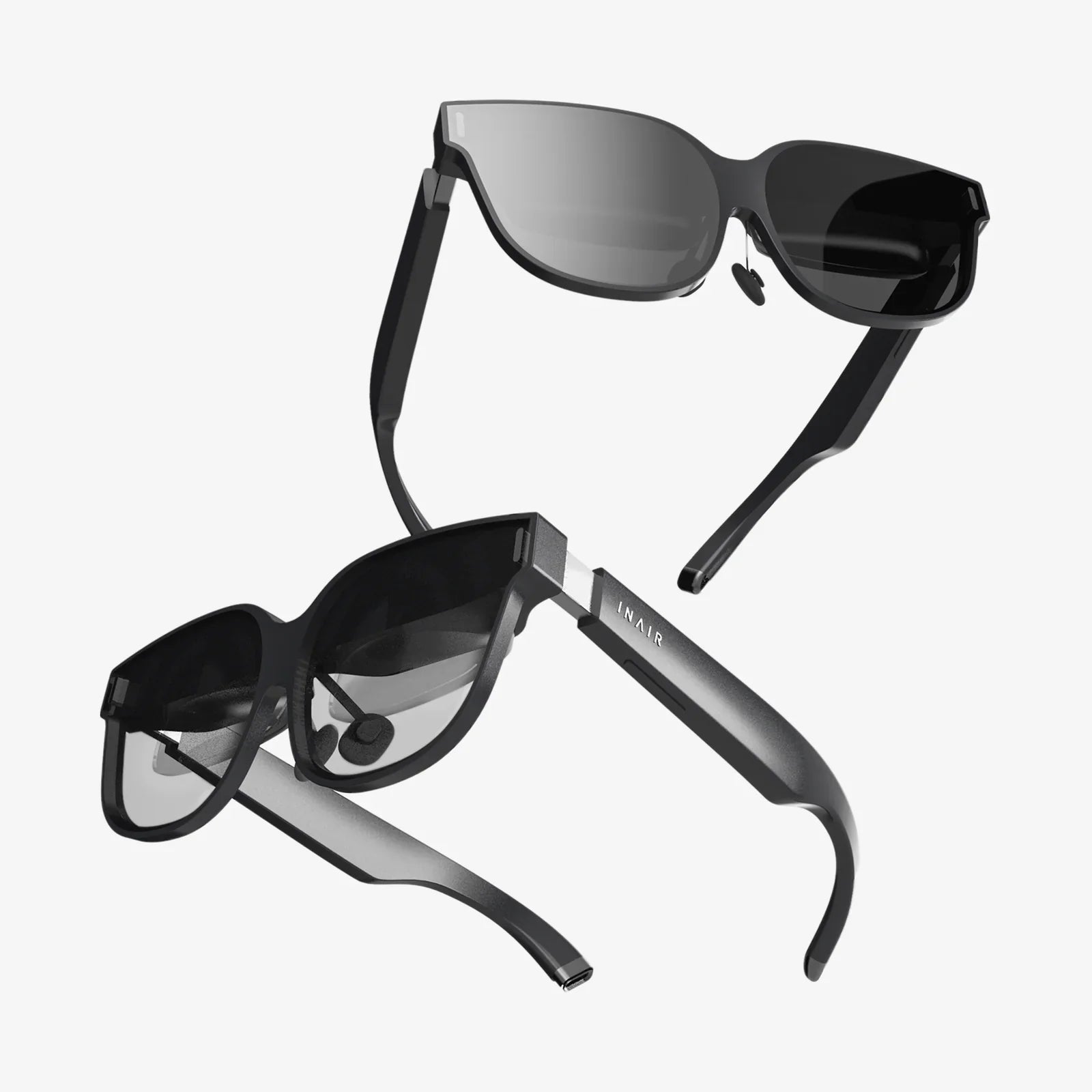
Imagine slipping on a pair of stylish glasses that instantly open a portal to giant virtual screens, immersive games, and interactive workspaces, all while looking almost like ordinary eyewear. That is the promise of vr sunglasses: a new generation of lightweight, immersive devices that aim to merge virtual reality with everyday life. If you have ever wished your phone screen could follow you everywhere without being in your hand, or your TV could be as portable as your sunglasses, you are exactly the audience these devices are built for.
Unlike traditional virtual reality headsets that are bulky, obvious, and often confined to the living room, vr sunglasses are designed to be worn in more casual, mobile, and social environments. They are slimmer, more discreet, and more focused on blending digital content with the real world in a way that feels natural. As computing moves away from static screens and into the space around us, these glasses are emerging as a bridge between the worlds of VR, augmented reality, and everyday wearable tech.
At their core, vr sunglasses are head-worn displays that project virtual images directly into your field of view. They share the same basic goal as traditional VR headsets: to immerse you in digital content. However, they differ in several important ways that make them more suitable for daily use.
The most obvious difference is the form factor. Classic VR headsets are often large, with thick straps, padded face gaskets, and a front-heavy design that sits like a box on your face. Vr sunglasses aim for a much sleeker silhouette, borrowing their look from everyday sunglasses or prescription glasses.
Traditional VR headsets are usually tied to intense gaming, simulations, or specialized training. They are immersive but isolating. Vr sunglasses, on the other hand, are designed for more mixed contexts:
Under the hood, vr sunglasses rely on compact display technologies that can fit into a glasses-like frame:
The narrower field of view means they may feel less like being fully inside a virtual world and more like looking at a very large floating screen or a window into another environment. For many everyday tasks, that is a feature, not a bug, because it makes the experience less overwhelming and more practical.
Vr sunglasses are not just about shrinking a headset into a glasses form. They introduce a set of features that align with the way people actually live and work.
Comfort is one of the biggest barriers to VR adoption. Heavy headsets can cause fatigue, neck strain, and discomfort during longer sessions. Vr sunglasses attempt to solve this through:
As a result, users can wear vr sunglasses for longer periods, whether they are watching a full-length movie, working through a multi-hour project, or enjoying a long flight.
Portability is a major selling point. Vr sunglasses often fold like regular glasses and can fit into a small case, making them easy to slip into a bag or even a large pocket. This enables use cases such as:
While not always matching the maximum immersion of high-end VR headsets, modern vr sunglasses can still deliver impressive visual quality:
For tasks like watching movies, browsing the web, or using productivity apps, this level of quality is often more than sufficient, especially given the convenience and portability.
Interaction with vr sunglasses can happen in several ways, depending on the device and ecosystem:
This flexibility allows vr sunglasses to adapt to different scenarios, from casual browsing to professional tasks.
To understand the true potential of vr sunglasses, it helps to look at specific scenarios where they shine. These are not just futuristic concepts; many are already possible with current devices.
One of the most popular uses for vr sunglasses is turning them into a portable cinema. Instead of watching a movie on a small phone or laptop screen, you can view it on a virtual screen that appears as large as a home theater display.
Typical benefits include:
Streaming services, downloaded videos, and even live events can all be enjoyed on these virtual screens. For many users, this alone is enough reason to consider vr sunglasses.
Another powerful use case is productivity. Many people rely on multiple monitors to be efficient, but carrying physical screens is not practical. Vr sunglasses can create several virtual monitors that float in front of you, all powered by a laptop, tablet, or even a smartphone.
Benefits for professionals include:
For remote workers, digital nomads, and students, vr sunglasses can feel like carrying an entire office in a glasses case.
While hardcore VR gaming often benefits from full headsets and room-scale tracking, vr sunglasses are well suited for more casual or seated experiences, such as:
Gamers who want a more immersive display than a laptop or tablet, without committing to a bulky headset, may find vr sunglasses to be a comfortable middle ground.
Vr sunglasses can also support wellness-focused applications. Because they are lighter and often less isolating, they can be more comfortable for activities like:
These experiences can transform a small apartment or hotel room into a more calming, engaging environment.
Social and collaborative applications are increasingly important in the VR space. Vr sunglasses can enable:
Because vr sunglasses are more comfortable and less isolating, they can encourage longer, more natural social sessions than traditional headsets in some situations.
Behind their stylish exteriors, vr sunglasses rely on a complex stack of hardware and software. Understanding this helps clarify both their capabilities and limitations.
Most vr sunglasses use one of two main approaches for their displays:
Resolution and refresh rate are critical for comfort. Higher resolution reduces pixelation and improves text clarity, while higher refresh rates reduce motion blur and eye strain.
Vr sunglasses may include various sensors to track orientation and sometimes position:
While full room-scale tracking may be less common in this form factor, orientation tracking is usually sufficient for many of the key use cases, such as virtual screens and seated experiences.
Vr sunglasses can be either standalone or tethered:
Tethered designs can be lighter and potentially more powerful, as they offload heavy processing to another device. Standalone designs are more self-contained and convenient but must manage heat, battery life, and performance within the small frame.
Vr sunglasses are not just a novelty. They offer several concrete advantages over conventional displays that can reshape how we think about personal computing and entertainment.
One of the most compelling benefits is the ability to create gigantic virtual screens without any physical footprint. A small apartment, dorm room, or hotel room can suddenly feel like a high-end home theater or multi-monitor office.
This is particularly attractive for:
With vr sunglasses, your content is visible only to you. That means:
Traditional screens force you to adapt your posture to the device. Vr sunglasses flip this relationship. You can sit, recline, or lie down while keeping the virtual screen perfectly positioned and aligned.
This can help reduce:
Despite their potential, vr sunglasses are not perfect. Understanding their current limitations can help set realistic expectations and guide better use.
Battery life is a key challenge for any compact, high-performance wearable. Running bright displays, sensors, and processors in a small frame can drain power quickly. Depending on the model and usage, you might see:
Some users address this by carrying external battery packs or using tethered modes that draw power from another device.
Even though vr sunglasses are lighter than traditional headsets, wearing any device on your face for hours can eventually cause fatigue. Potential comfort issues include:
To achieve a slim, glasses-like design, many vr sunglasses compromise on field of view. This means you may see more of the real world around the virtual image, and the content may feel more like a floating screen than a fully enveloping environment.
For some users and applications, this is perfectly acceptable or even preferable. For others, especially those seeking deep VR immersion, it may feel limited compared to full-sized headsets.
Even as vr sunglasses become more stylish, wearing any kind of digital eyewear in public raises questions:
Developing clear norms and using vr sunglasses thoughtfully in social contexts will be important as adoption grows.
If you are considering buying vr sunglasses, it helps to approach the decision with a clear sense of your priorities. Different models emphasize different strengths.
Start by asking what you primarily want to do:
Comfort can make or break the experience. Consider:
Vr sunglasses often rely on other devices or platforms. Make sure:
Vr sunglasses are still in an early phase of their evolution, but several trends point toward exciting developments in the coming years.
As components shrink and become more efficient, future vr sunglasses will likely look even closer to standard eyewear. Advances in batteries, optics, and micro-displays are all pushing in this direction.
This evolution will make it more socially acceptable to wear them in public and more comfortable to keep them on for long periods, blurring the line between everyday glasses and immersive devices.
Integrating better cameras and depth sensors will enable more advanced mixed reality features, where digital objects can convincingly interact with the real world. This could lead to:
Over time, more standard applications will gain immersive or spatial modes designed specifically for vr sunglasses. Imagine:
As these integrations mature, vr sunglasses will feel less like a special-purpose gadget and more like a natural extension of daily computing.
Whether you are a new user or considering your first pair, a few practical habits can help you get more value and comfort from vr sunglasses.
If you are new to near-eye displays, ease into them. Begin with shorter sessions of 20 to 30 minutes and gradually extend as your eyes and body adapt. This helps reduce the risk of headaches or fatigue.
Take time to adjust the fit and configure the software:
While vr sunglasses are more mobile than traditional headsets, choose environments thoughtfully:
Like any eyewear, vr sunglasses benefit from proper care:
The history of personal technology is a story of screens getting closer, more personal, and more flexible. From desktop monitors to laptops, from laptops to smartphones, and from smartphones to wearables, each step has brought digital experiences nearer to our daily lives. Vr sunglasses are poised to be the next chapter in that story.
They offer a unique combination of portability, immersion, and practicality that traditional screens cannot match. For travelers, they promise private theaters and portable offices. For students and professionals, they unlock multi-monitor productivity without the clutter. For gamers and entertainment enthusiasts, they deliver bigger, more engaging experiences in smaller packages.
Most importantly, vr sunglasses hint at a future where our digital world is not confined to rectangles on desks and in pockets. Instead, information, media, and tools can float around us, sized and positioned exactly how we want, wherever we are. If you are curious about where computing, entertainment, and everyday wearables are heading, exploring vr sunglasses now is like getting a front-row seat to the next phase of immersive personal technology.
Share:
Human-Computer Interaction Shaping the Future of Digital Experience
AR entertainment and the Future of Immersive Digital Experiences