


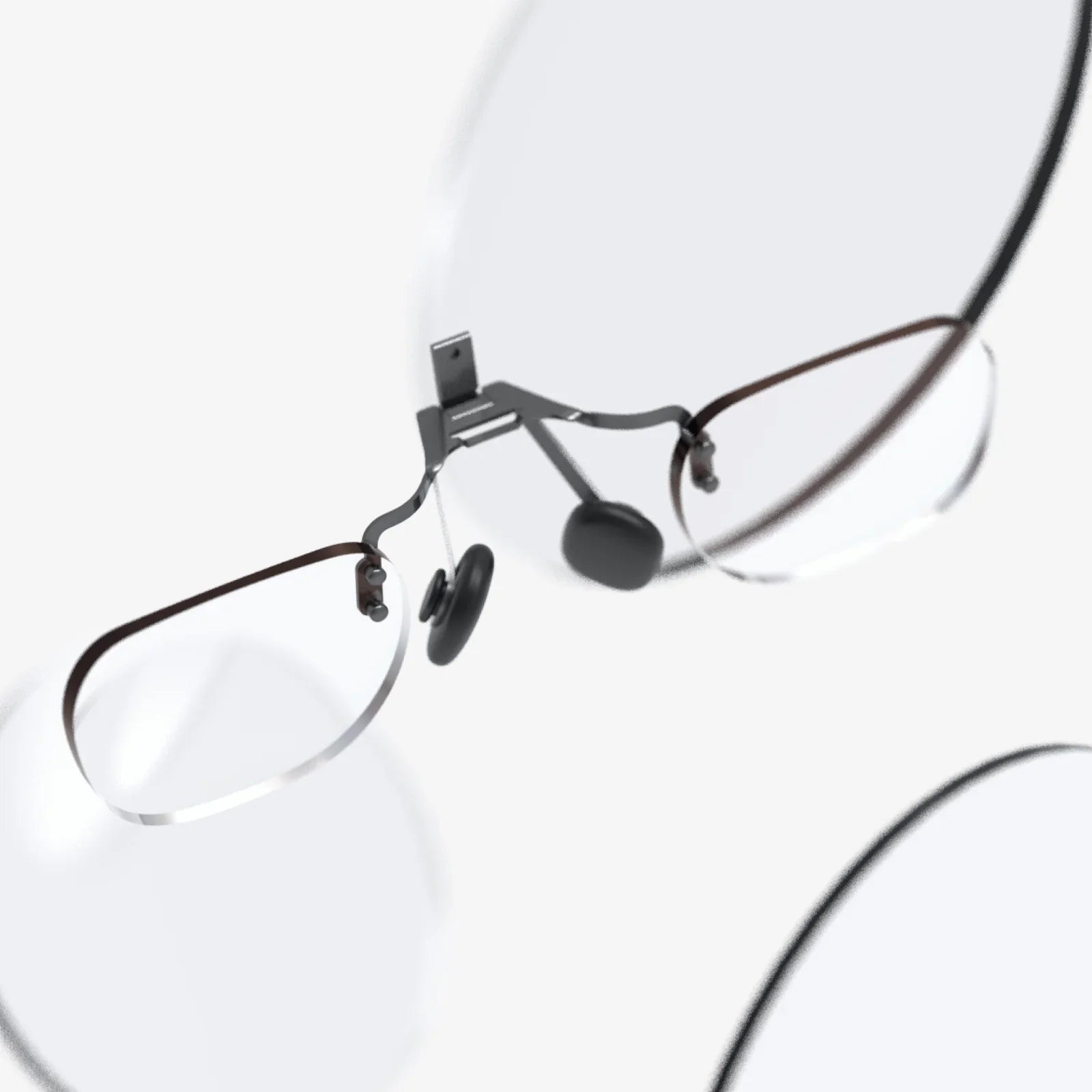
- by wangfred
VR Touch Sensor: The Unseen Force Revolutionizing Digital Interaction
- by wangfred
Imagine reaching out into a digital void and feeling the coarse texture of ancient stone, the gentle weight of a virtual artifact, or the reassuring squeeze of a companion's hand from across the globe. This is the profound promise of the VR touch sensor, a technology quietly orchestrating a revolution in how we perceive and interact with synthetic worlds. It’s the critical, often overlooked component transforming cold, visual simulations into rich, tactile experiences that resonate on a deeply human level.
At its core, a VR touch sensor is a sophisticated device or system designed to detect and measure user contact, pressure, and sometimes even more complex haptic feedback within a virtual reality environment. Unlike the simple binary click of a traditional button, these sensors capture a nuanced spectrum of physical interaction—from the gentle brush of a fingertip to a firm, purposeful grip. This data is then translated in real-time into digital commands and responses, creating a closed loop of interaction where the user's physical actions have immediate and believable consequences in the virtual domain. This technology is the essential bridge, the translator that converts human intention into digital reaction, making the experience feel less like operating a machine and more like manipulating a reality.
The term "VR touch sensor" is not a monolith; it encompasses a diverse array of technological approaches, each with its own strengths and applications.
One of the most common technologies, capacitive sensing, operates by detecting changes in an electrical field. Tiny electrodes embedded in a controller or glove create this field. When a user's finger, which is electrically conductive, approaches or touches the sensor, it disrupts this field. The sensor measures this disruption to determine the location and often the proximity of the touch. This is the same technology found in modern smartphone screens, prized for its precision and ability to support multi-touch gestures. In a VR context, it allows for subtle interactions like swiping through virtual menus or tracing a shape in the air with pinpoint accuracy.
Where capacitive sensors excel at detecting light touches and proximity, resistive sensors are designed to measure force or pressure. They typically consist of two flexible, conductive layers separated by a thin gap. When pressure is applied, these layers make contact, and the sensor measures the change in electrical resistance at that point. The greater the pressure, the larger the area of contact and the more significant the change. This technology is crucial for simulating interactions that require variable force, such as pulling a bowstring, pressing a piano key with varying intensity, or gauging the firmness of a virtual object.
Optical touch sensors use tiny cameras or infrared (IR) sensors to track movement and contact. For example, a sensor inside a controller can track the movement of the user's fingers by following predefined markers or the natural contours of the hand itself. This method is highly effective for capturing complex gestures and the overall kinematics of the hand without requiring direct physical contact with a sensor surface, enabling more free-form and natural interaction.
These are specialized components for high-fidelity pressure detection. An FSR's resistance decreases predictably with an increase in applied force, providing a reliable analog measure of pressure. Piezoelectric sensors generate a small electrical charge in response to mechanical stress (like pressure or vibration), making them exceptionally good at capturing dynamic, rapid changes in force and high-frequency vibrations, which are essential for delivering crisp and realistic haptic feedback.
The true magic of the VR touch sensor is revealed in its partnership with haptic actuators. This partnership creates a symbiotic cycle of interaction:
This closed loop is fundamental to achieving presence—the ultimate goal of VR, where the user's brain suspends disbelief and accepts the virtual world as real.
The implications of sophisticated touch sensing extend far beyond entertainment, seeding transformation across numerous fields.
In high-stakes professions, muscle memory is everything. Surgeons can practice complex procedures on virtual anatomy, receiving tactile feedback that mimics the resistance of tissue and the click of a scalpel. Mechanics can learn to assemble and disassemble intricate engine models, feeling the specific torque required to tighten a bolt without the cost of physical parts. This allows for iterative, risk-free practice that builds genuine skill.
Touch sensors are the key to moving beyond video calls to true telepresence. Colleagues on different continents could collaboratively design a 3D model, both able to feel its shape and structure as if it were physically between them. A expert could guide a technician through a delicate repair procedure remotely, not just by seeing their work, but by virtually "feeling" the forces they are applying to ensure it's done correctly.
In physical and occupational therapy, VR touch can guide patients through exercises with real-time feedback on their grip strength, range of motion, and coordination. It can create engaging environments for motor skill rehabilitation, turning repetitive tasks into compelling games. Furthermore, it offers new avenues for sensory therapy for individuals with certain impairments, helping to retrain neural pathways through controlled tactile stimulation.
The next frontier of digital communication is conveying emotion through touch. A simple handshake, a pat on the back, or holding hands—these gestures carry immense emotional weight. VR touch sensors and actuators aim to capture and transmit these sensations, allowing people to share moments of comfort, congratulations, or empathy across vast distances in a way that a text message or emoji never could.
Despite rapid advancement, the quest for perfect virtual touch faces significant hurdles. Achieving high-fidelity sensation requires a dense array of sensors and actuators, which demands substantial processing power and can lead to high costs and energy consumption. Miniaturizing these components to fit into comfortable, wearable form factors like gloves remains an engineering challenge. Furthermore, latency is the enemy of immersion; any perceptible delay between a user's action and the haptic response shatters the illusion of reality. Finally, creating a universal software framework that can accurately simulate the infinite complexity of real-world materials—from the give of a sponge to the unyielding hardness of steel—is a monumental software and AI challenge.
The evolution of VR touch sensing is accelerating toward even more immersive experiences. Researchers are exploring technologies like ultrasonic arrays to create mid-air haptics, allowing users to feel textures and shapes without wearing any gloves at all. Electrotactile stimulation, which uses mild electrical currents to directly stimulate nerve endings in the skin, can simulate a wider range of precise sensations, from temperature to texture. The ultimate goal is a seamless, full-body haptic suit, capable of simulating everything from a gentle breeze to the impact of a virtual object, making the digital world a completely tangible space.
This relentless innovation points toward a future where our digital and physical realities are no longer separate realms of experience, but a continuous spectrum of interaction. The VR touch sensor is the key that unlocks this door, transforming how we work, learn, heal, and connect. It’s moving beyond simply seeing a new world to truly feeling it, and in doing so, is redefining the very nature of human experience itself. The next time you step into a virtual space, pay attention to what you feel—it’s the quiet hum of a technological revolution unfolding at your fingertips.