


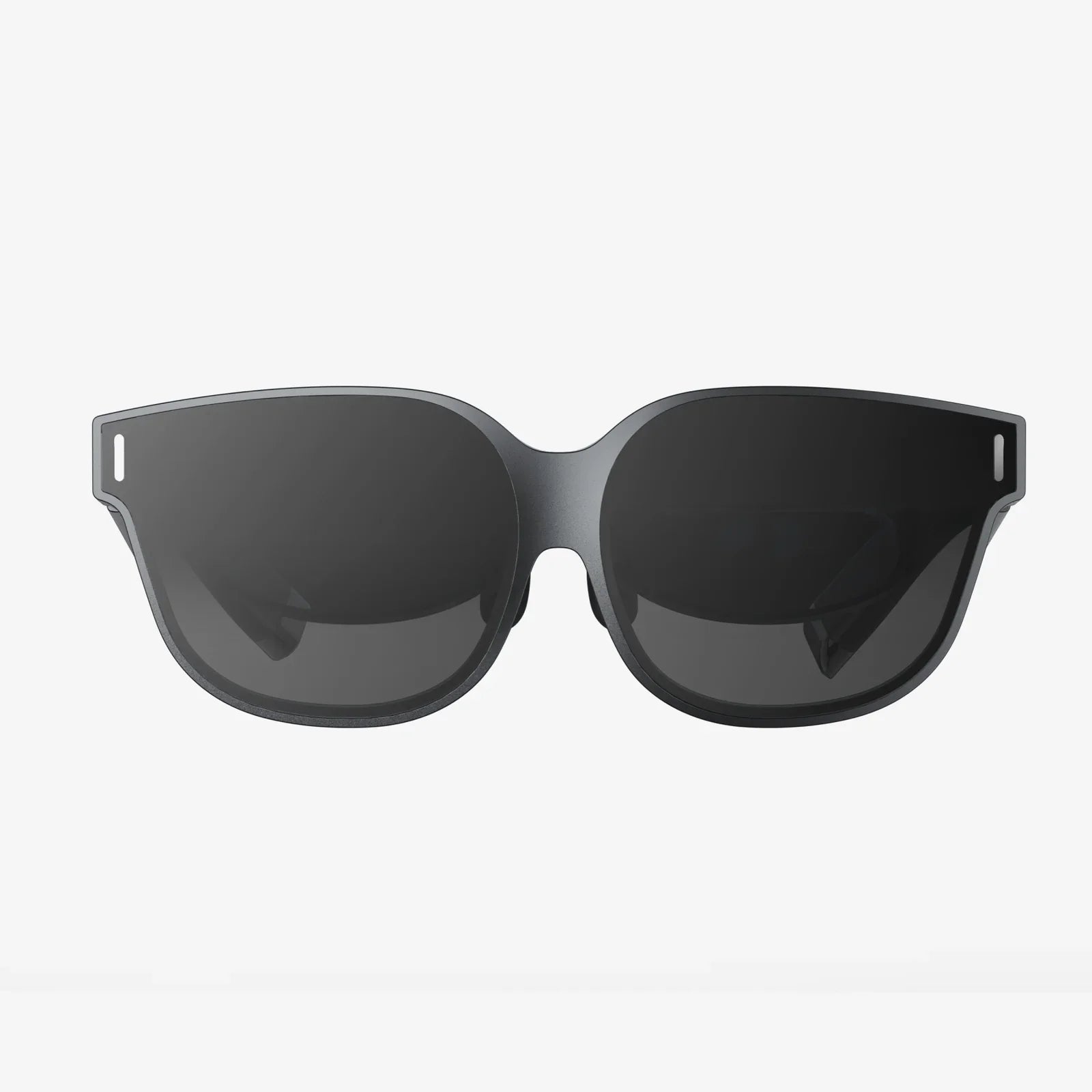
Imagine a world where the boundaries of physical space dissolve, where you can walk on Mars, perform intricate heart surgery, or sit front row at a concert happening a continent away—all without leaving your living room. This is no longer the stuff of science fiction; it is the rapidly evolving reality of Virtual Reality, a technology whose usage is exploding from a niche gaming curiosity into a foundational force set to reshape our society, our economy, and our very human experience. The journey into the virtual is beginning, and understanding its trajectory is no longer optional; it is essential.
The Meteoric Ascent: From Novelty to Necessity
The adoption curve for VR usage has been nothing short of phenomenal. Initially propelled by the gaming and entertainment sectors, the technology has demonstrated a powerful gravitational pull, drawing in sectors far beyond its initial playground. This growth is fueled by a virtuous cycle of technological advancement: headsets are becoming lighter, more comfortable, and infinitely more powerful, while the cost of entry continues to fall, making the technology accessible to a broader demographic. Simultaneously, the software ecosystem has matured from simplistic demos to fully-fledged, immersive applications and breathtakingly realistic experiences. This convergence of hardware affordability, software sophistication, and growing consumer curiosity has created a perfect storm for mass adoption.
Market analysts and industry reports consistently point to a future where VR usage is as commonplace as smartphone usage is today. We are moving beyond the 'early adopter' phase and into the early majority, where the value proposition of VR is being recognized not just for entertainment, but for practical, everyday utility in fields like remote work, education, and social connection. This shift signifies a critical turning point where VR is shedding its 'gimmick' label and being re-evaluated as a serious tool for serious purposes.
Transforming Industries: The Practical Applications of VR
The true measure of a technology's impact lies in its utility. VR usage is demonstrating profound value across a stunningly diverse range of professional fields, revolutionizing traditional practices and unlocking new possibilities.
Revolutionizing Education and Training
Perhaps one of the most powerful applications of VR usage is in the realm of experiential learning. Imagine medical students performing dissections or practicing complex surgical procedures on virtual patients, making mistakes and learning from them in a consequence-free environment. Engineering students can deconstruct and reassemble complex machinery, from jet engines to quantum computers, gaining intimate knowledge of their inner workings. History classes can become immersive time-travel experiences, walking through ancient Rome or standing on the beaches of Normandy. This 'learning by doing' in a virtual space dramatically increases knowledge retention, engagement, and understanding, moving education beyond textbooks and into lived experience.
Redefining Healthcare and Therapy
The healthcare sector is embracing VR usage for both treatment and training. Surgeons use detailed VR simulations to plan and rehearse complex operations, leading to better patient outcomes. VR is also proving to be a groundbreaking tool for physical rehabilitation, turning repetitive exercises into engaging games that motivate patients. In mental health, VR-based exposure therapy is successfully treating conditions like PTSD, phobias, and anxiety disorders by allowing patients to confront their triggers in a safe, controlled, and gradual manner. Furthermore, VR is being used for pain management, distracting burn victims during painful wound care procedures with immersive, calming environments.
Empowering Enterprise and Remote Collaboration
The global shift towards remote work has accelerated the need for better collaboration tools. VR usage offers a solution far superior to traditional video conferencing. Teams scattered across the globe can meet in a shared virtual office, interacting with 3D models of products they are designing, from architecture to automotive. This spatial collaboration allows for a natural flow of ideas, body language cues, and a sense of 'presence' that flat screens cannot replicate. From virtual prototyping and design reviews to immersive training for hazardous jobs, enterprises are leveraging VR to enhance productivity, reduce travel costs, and foster innovation.
Unlocking New Frontiers in Entertainment and Social Connection
While now one of many applications, entertainment remains a massive driver of VR usage. The potential is limitless: immersive films where you are *in* the story, live events like sports games and concerts offering a front-row experience to anyone with a headset, and social platforms where you can hang out with friends as personalized avatars, playing games, watching movies, or simply chatting as if you were in the same room. This form of social VR usage has profound implications for combating loneliness and building communities that transcend geographical limitations.
The Human Factor: Psychological and Societal Implications
As with any transformative technology, widespread VR usage brings with it a host of complex psychological and societal questions that we are only beginning to grapple with.
The Phenomenon of Presence and Embodiment
VR's power stems from its ability to trick the brain into believing it is somewhere else—a concept known as 'presence.' This can lead to powerful positive experiences but also raises questions about identity. The 'Proteus Effect' describes how individuals can subconsciously change their behavior and attitudes to align with their virtual avatar. This can be used for good, such as building confidence, but it also blurs the lines of identity. Prolonged and deep immersion can sometimes lead to a feeling of disorientation or dissociation upon returning to the real world, a phenomenon sometimes called 'VR hangover,' though this typically subsides quickly.
The Risk of the Reality Gap
A significant concern with intense VR usage is the potential for it to exacerbate social isolation. If a virtual world becomes more appealing than the real one—more stimulating, more rewarding, or less stressful—individuals might withdraw from physical social interactions. Furthermore, there is a risk of what some theorists call the 'reality gap,' where the flawless, controllable, and often gamified virtual environment makes the messy, unpredictable real world seem disappointing by comparison. Navigating this balance will be a key challenge for individuals and society.
Navigating the Challenges: The Path to Responsible Adoption
For VR to reach its full positive potential, several significant challenges must be acknowledged and addressed head-on.
Privacy and Data Security in an Immersive World
VR headsets are not just screens; they are sophisticated data collection devices. They track and record biometric data, including eye movement, pupil dilation, hand gestures, and even gait. They map our physical environments. This data is a goldmine for understanding human behavior but also represents an unprecedented privacy risk. The industry must establish and adhere to rigorous ethical standards for data collection, storage, and usage, ensuring users have full transparency and control over their most personal information. The potential for misuse, from hyper-targeted advertising to more nefarious surveillance, is a threat that must be mitigated through robust regulation and ethical design.
Ensuring Universal Access and Equity
There is a very real danger that the benefits of VR could accelerate existing inequalities, creating a new digital divide. High-quality VR requires a financial investment for hardware and a reliable, high-speed internet connection. If critical services like education, healthcare, and job training begin to migrate into virtual spaces, those without access will be left at a severe disadvantage. A concerted effort from policymakers, educators, and technology creators is needed to ensure VR does not become a tool of exclusion but one of universal empowerment.
Establishing Ethical Guidelines and Digital Wellbeing
As the creators of these new worlds, developers and platforms carry a heavy responsibility. Ethical guidelines must be established around content creation, user safety (particularly for children), and the prevention of harassment in social VR spaces. Features that promote digital wellbeing, such as easy-to-use timers, breaks that encourage physical movement, and clear indicators of time spent in VR, should be standard. The industry must proactively build these safeguards into the foundation of the technology, not as an afterthought.
The Future is Immersive: What Lies Ahead?
The next frontier for VR usage is the seamless integration of the digital and physical, often referred to as the metaverse—a persistent network of shared, interconnected virtual spaces. Advancements in haptic technology will allow us to 'feel' virtual objects. Brain-computer interfaces may one day allow for direct neural control, making interactions even more intuitive. As these technologies converge, VR will become less of a device we put on and more of a layer of reality we can access, fundamentally changing how we work, learn, play, and connect.
The trajectory is clear: VR usage is moving from the periphery to the center of our technological landscape. It promises a future of unparalleled experiences, revolutionary solutions to age-old problems, and new ways to understand our world and ourselves. But this future is not predetermined. It will be shaped by the choices we make today—as consumers, as creators, and as a society. By embracing its potential with a clear-eyed view of its pitfalls, advocating for responsible development, and prioritizing human well-being, we can steer this powerful technology toward a future that enhances our reality, rather than escaping from it. The virtual door is open; it's up to us to walk through it wisely.
Share:
11 Inch Portable Computer: The Ultimate Guide to Maximum Mobility and Power
3D AI Companion: The Dawn of a New Era in Digital Intimacy and Connection