


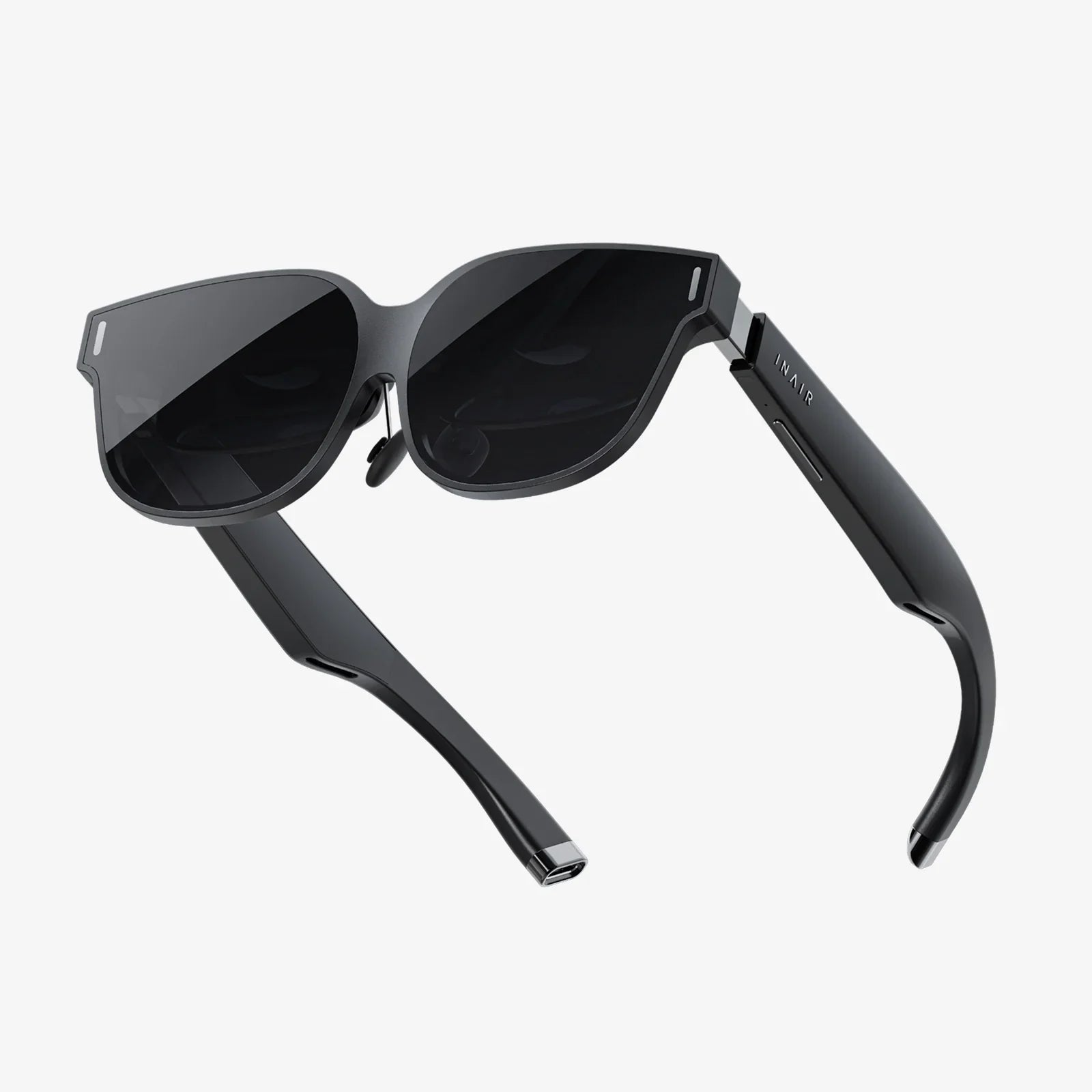
Imagine slipping on a headset and instantly being transported. The confines of your room dissolve, replaced by the front row of a roaring concert, the serene depths of a coral reef, or a private screening room with a screen that feels a hundred feet wide. This is the magic promised by virtual reality, but that magic remains locked away without its most essential key: the VR video player. This unsung hero of the VR ecosystem is the gateway, the interpreter, and the conductor, transforming digital files into breathtaking, believable worlds. It is the difference between watching a video and living an experience. The evolution of this software is not just a tale of improving technology; it is the story of how we are learning to see, hear, and feel in entirely new dimensions.
The Engine of Presence: More Than Just a Screen
At its most basic, a VR video player is an application designed to decode and display video content specifically for a virtual reality headset. However, to call it merely a "player" is a dramatic understatement. A traditional video player on a flat screen has one primary job: to show a rectangular picture. A VR video player's job is to create a sense of presence—the convincing feeling that you are actually "there" in the environment. This monumental task is achieved through a sophisticated combination of core technologies.
The first and most critical concept is that of projection formats. Unlike a standard video file, which is flat, 360-degree video is captured using a special rig of cameras and must be stitched together and mapped onto a spherical or geometric shape. The player's first job is to understand this mapping and correctly project it back onto the inside of a sphere that surrounds the user. Common formats include:
- Equirectangular: The most common format, which looks like a heavily distorted world map but is correctly interpreted by the player to wrap around the viewer seamlessly.
- Cubemap: Projects the scene onto the six faces of a cube, often used in gaming environments for efficiency.
- Fisheye: Utilizes a wide-angle lens projection, common in certain professional camera rigs.
Choosing the wrong format results in a bizarre, broken world where seams are visible and the geometry is nonsensical. The player must not only support these formats but often detect them automatically.
A World of Experiences: Understanding the Content Spectrum
Not all VR video is created equal, and a robust player must be a versatile performer, adept at handling a spectrum of immersive content. This content falls into several distinct categories, each with its own technical requirements and experiential impact.
360-Degree Video
This is the most accessible form of VR video. The viewer is placed at the center of a recorded environment, able to look in any direction—up, down, and all around—but cannot move from that central point. It is a passive, cinematic experience perfect for documentaries, travelogues, live events, and narrative films. The player's role here is to provide a stable, high-fidelity window into this captured world, ensuring smooth playback and minimal distortion at the poles (the top and bottom of the sphere).
180-Degree 3D Video
A significant step up in immersion, this format captures the world in stereoscopic 3D, but only for the 180 degrees in front of the viewer. This approach allows creators to dedicate much higher resolution and bitrate to the field of view that matters most, resulting in a dramatically sharper and more lifelike image. The player must expertly render two slightly different images—one for each eye—to create the convincing illusion of depth. This is the preferred format for high-quality narrative content and experiences where visual fidelity is paramount.
Volumetric and Interactive Video
This represents the bleeding edge. Volumetric video captures not just a light field but the actual three-dimensional shape of a subject or scene, allowing the viewer to walk around and inspect it from different angles as if it were a real object in the virtual space. This requires a player capable of rendering complex 3D meshes and textures in real-time, moving far beyond simple video playback into the realm of interactive graphics. While still emerging, this technology points to the future of VR filmmaking and social interaction.
Beyond the Visual: The Critical Features of a Modern Player
The baseline function of playing a video is just the beginning. The quality of a VR video player is defined by a host of features that elevate the experience from novel to genuinely compelling.
- User Interface (UI) and User Experience (UX): Navigating a menu while wearing a headset is a unique challenge. The best players use clean, intuitive, and often diegetic interfaces (menus that exist within the virtual world itself). Features like thumbnail previews, easy library management, and minimal clutter are essential for comfort and enjoyment.
- Customizable Environments: Why watch a movie on a void? Advanced players allow users to choose their virtual theater, from a cozy home cinema to a moonbase lounge or a tranquil beach at sunset. This ambient setting profoundly affects the mood of the experience.
- Social and Multiplayer Features:
The ancient human desire to share experiences is now being fulfilled in virtual space. The most innovative VR video players are no longer solitary confinement cells but social hubs. They allow multiple users, represented by avatars, to join the same virtual room to watch a movie, a live stream, or a 360-degree documentary together. You can see your friends' reactions, hear their laughter, and chat as if you were sitting side-by-side, even if you are continents apart. This transforms passive viewing into a shared event, combating the isolation that single-player VR can sometimes create and forging powerful new connections through media.
The Hardware Symbiosis: A Dance of Performance and Comfort
A VR video player is only as good as the hardware it runs on. The relationship between software and headset is a tight symbiosis. Standalone headsets, which have all the computing power built-in, require players to be highly optimized for mobile chipsets, balancing visual quality with battery life and thermal management. PC-connected headsets can leverage the raw power of a dedicated graphics card, allowing players to push the limits with higher resolutions, smoother frame rates, and more complex environments.
Furthermore, the player must account for the unique attributes of different headsets—their lens design, field of view, and controller schemes—to provide a consistent and comfortable experience. A feature like timewarp or spacewarp, which is often integrated at the system level but utilized by the player, is crucial. This technology generates synthetic frames to maintain a smooth frame rate even if the rendering hiccups, preventing the nausea that can be caused by judder.
Challenges on the Horizon: The Path to Perfection
Despite rapid advancement, the world of VR video playback is not without its significant hurdles. The enormous file sizes of high-resolution 360-degree videos present a massive storage and streaming challenge. Delivering an 8K 3D 180-degree video smoothly over home internet requires efficient codec support like H.265 and AV1, and intelligent streaming that prioritizes the quality of the area the user is currently looking at.
There is also the ongoing battle for standardization. With multiple projection formats, audio protocols, and interactive metadata schemes, content creators often face a fragmented landscape. The industry is slowly moving towards common standards, but for now, players must remain flexible and support a wide array of file types to be truly useful.
More Than Movies: The Expansive Future of VR Playback
While entertainment is the primary driver, the applications for VR video players extend far beyond film and gaming. Imagine medical students using a player to observe a complex surgical procedure from the perspective of the lead surgeon in stunning 360-degree 3D. Architects and real estate agents can create virtual tours so realistic that clients feel they are walking through an unbuilt home or a property across the country. Corporate training, virtual tourism, therapeutic relaxation, and live sports are all being revolutionized.
The VR video player becomes the universal tool for immersive communication and learning. It is the platform for experiencing another person's reality, for training in zero-risk environments, and for exploring places we could never otherwise go.
The humble play button has undergone a revolution. It is no longer a command to start a video; it is an command to open a portal. The relentless innovation in VR video player technology is quietly building the infrastructure for the next era of human experience—one where we are no longer observers on the outside looking in, but active participants within the story itself. The headset is the window, but the player is the door, and it is opening wider every day.
Share:
Use of Digital Technology in Production: The Fourth Industrial Revolution
ConnectWise Automate Desktop Client: The Ultimate Guide to Unlocking Its Full Potential