


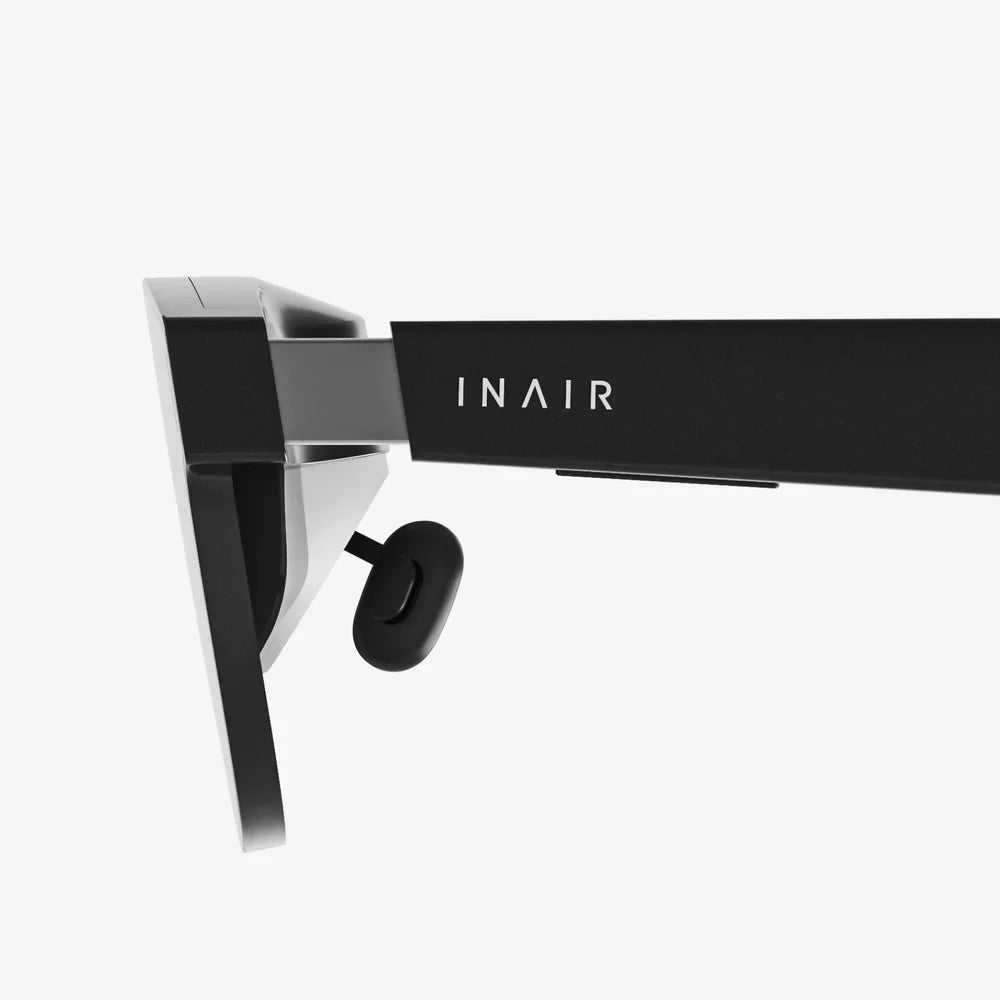
Imagine not just watching a video of a concert, but standing in the front row, feeling the crowd's energy pulse around you, able to turn your head and see the drummer lost in his rhythm. Envision not just browsing a real estate listing, but stepping through the virtual front door, walking from room to sunlit room, and opening the patio doors to a silent, digital sunset. This is the promise, the allure, and the imminent reality of the VR Video Web—a fundamental shift from a flat, page-based internet to a living, breathing, spatial experience that is already beginning to reshape how we connect, learn, and feel. The screen is dissolving, and we are stepping through.
From Flat Pages to Living Spaces: Defining the VR Video Web
The term "VR Video Web" might sound like technical jargon, but its concept is profoundly simple and revolutionary. It represents the fusion of two powerful technologies: immersive 360-degree video and the interconnected, accessible nature of the world wide web. It’s not about isolated virtual reality applications that you must download and launch separately. Instead, it's about immersive experiences that are as instantly accessible as clicking a link on a webpage.
This new layer of the internet is built on core technological pillars. 360-degree video capture is the foundation, using specialized multi-lens cameras to record every direction of a scene simultaneously. WebXR is the critical delivery framework—an open standard that allows browsers to act as portals to immersive content without the constant need for specialized software or powerful, standalone headsets. As consumer hardware like standalone VR headsets and augmented reality glasses becomes more affordable and sophisticated, they provide the window through which we view this new digital landscape. Finally, spatial audio adds the crucial layer of directional sound, making a virtual environment feel tangibly real; a whisper over your left shoulder will genuinely seem to come from that direction, completing the illusion of presence.
The Building Blocks: How the VR Video Web Functions
Creating and delivering a seamless VR web experience is a complex dance of technology. It begins with capture. Professional-grade omnidirectional cameras record high-resolution footage from every angle. This raw spherical video is then stitched together using sophisticated software into a cohesive, navigable sphere.
The real magic, however, happens in the delivery and accessibility. This is where WebXR proves indispensable. This API allows developers to create experiences that run directly in a web browser. A user can simply visit a URL using a compatible browser on their headset, or even on their smartphone placed into a simple viewer, and be instantly transported into the experience. There’s no app store, no lengthy download, no installation. This dramatically lowers the barrier to entry and mirrors the effortless discovery we enjoy on the traditional web today.
Furthermore, the creation tools are becoming more democratized. From professional editing suites to simpler cloud-based platforms, the ability to create, edit, and publish immersive video content is moving into the hands of creators of all skill levels, paving the way for an explosion of diverse content.
Transforming Industries: Practical Applications Today
The potential of the VR Video Web extends far beyond novelty and entertainment. It is already proving to be a powerful tool with profound practical applications across numerous sectors.
Education and Training
Imagine a medical student not just reading about a complex surgical procedure but being able to stand virtually in the operating theater, watching from the surgeon’s perspective. Historical lessons can be transformed into immersive time travel, allowing students to walk through ancient Roman streets or witness key moments in history. For corporate training, employees can practice dangerous procedures or high-stakes customer interactions in a safe, virtual, yet realistic environment, leading to better retention and preparedness.
Travel and Tourism
The travel industry has been an early adopter. Resorts, hotels, and tourism boards now offer immersive tours that are infinitely more compelling than a static photo gallery. Potential visitors can take a walk on a tropical beach, explore a hotel suite, or navigate the halls of a museum before they ever book a ticket. This "try before you buy" approach is a powerful marketing tool that builds excitement and sets accurate expectations.
Real Estate and Architecture
For real estate, virtual property tours have become a game-changer, especially in a globalized market. Prospective buyers from across the world can take self-guided, realistic tours of properties at any time, saving immense time and resources for both agents and clients. Architects and interior designers can use immersive walkthroughs to present their visions to clients long before the first brick is laid, allowing for changes and collaborations in a photorealistic virtual model.
Live Events and Social Connection
The ability to broadcast live events in 360 degrees is redefining remote participation. You could have a front-row seat at a music festival, a conference keynote, or a sporting event from the comfort of your home. More importantly, the social aspect is evolving. Platforms are experimenting with virtual spaces where users, represented by avatars, can watch these live events together. You could laugh at a comedy show with friends who are physically scattered across the globe, sharing the experience as if you were in the same room. This points towards a future where the web is not just a place for information, but for shared presence and experience.
Navigating the Challenges: The Roadblocks to Adoption
Despite its immense potential, the widespread adoption of the VR Video Web faces significant hurdles that must be addressed.
Technical Limitations: Bandwidth and Hardware
High-resolution 360 video generates enormous file sizes. Streaming this data smoothly requires robust and fast internet connections, which are not universally available. Latency, or lag, can instantly break immersion and even cause motion sickness. On the hardware side, while standalone headsets are improving, achieving photorealistic quality with wide field-of-view and long battery life in an affordable package remains a challenge for the industry.
The User Experience and Interaction Paradigm
We have spent decades refining the 2D user interface of mice, keyboards, and touchscreens. Interacting in a 3D space is a new frontier. How do we navigate? How do we select objects? How do we type? Designing intuitive, comfortable, and universal interaction models for a diverse population with varying levels of tech literacy and physical ability is one of the greatest design challenges of this medium.
The Ethical and Psychological Frontier
An immersive web brings profound ethical questions. Issues of data privacy are amplified; in a VR environment, companies could potentially track not just what you look at, but how long you look at it, your physiological reactions, and your precise movements in a space—a literal map of your attention and behavior. The potential for hyper-realistic misinformation and deepfakes is terrifying. Furthermore, the psychological effects of prolonged immersion and the blurring of lines between reality and virtuality are not yet fully understood. Establishing a strong ethical framework and proactive regulations will be crucial to building a safe and trustworthy immersive web.
Glimpsing the Horizon: The Future of an Immersive Internet
The VR Video Web we see today is merely the primitive precursor to what is coming. The future points towards a fully realized, persistent, and interconnected 3D internet often referred to as the metaverse. In this vision, the immersive experiences of today will become interconnected spaces—you could watch a VR concert and then step through a virtual portal into a museum exhibit, all without ever "leaving" the immersive web.
Advancements in haptic technology will allow us to feel digital objects. Eye-tracking and facial expression capture will make our avatars more empathetic and lifelike, conveying nuance and emotion in social interactions. Ultimately, the goal is to achieve a level of fidelity and interoperability where the virtual experience is indistinguishable from a physical one in its emotional and social impact, creating new economies, art forms, and ways of being human together, regardless of physical distance.
The next click won't just take you to a new page; it will open a doorway. The next web won't be something you look at; it will be a place you visit, a space you inhabit, and a experience you share. The evolution from a web of information to a web of experience is already underway, and it promises to be the most captivating chapter in the digital story yet.
Share:
Human Computer Interaction Problems: The Hidden Costs of Poor Design
What Is The Purpose of Human Computer Interaction: Bridging the Gap Between Man and Machine