


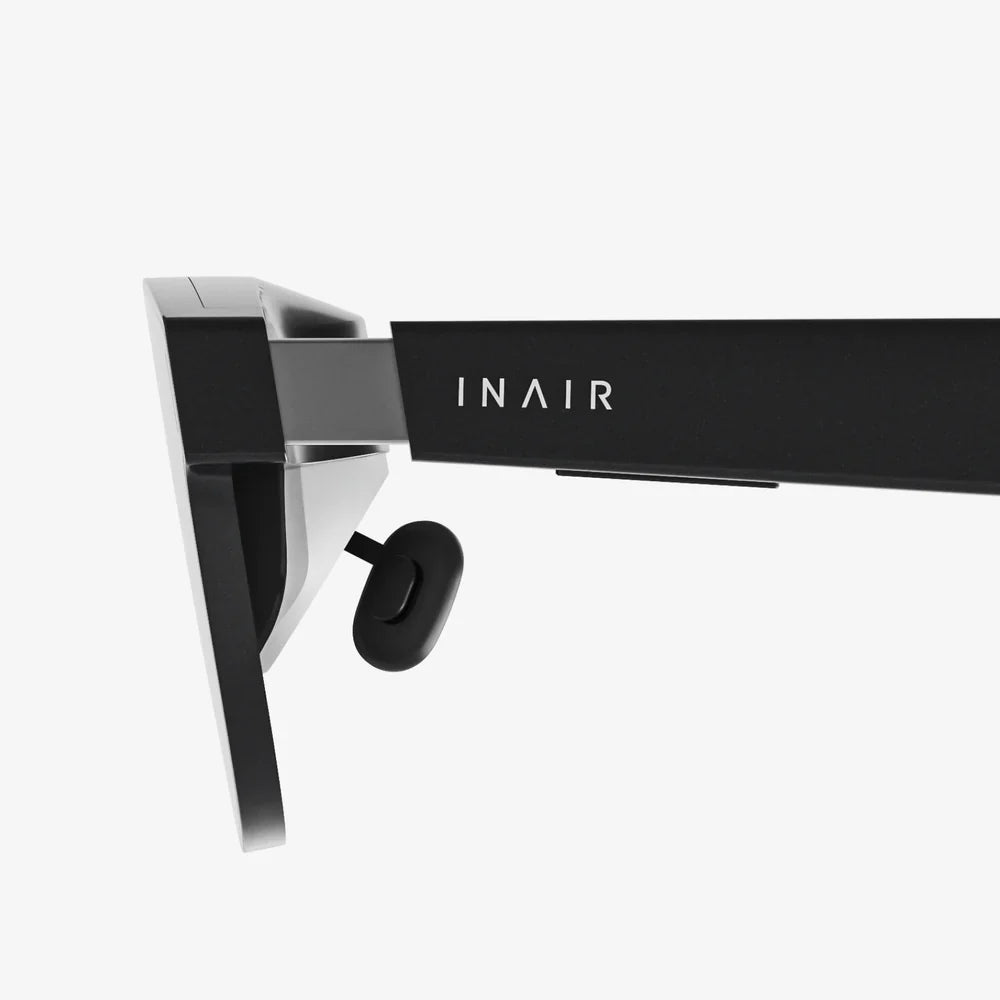
Imagine slipping on a headset and being instantly transported to a concert front row, a distant museum, or the surface of Mars with a clarity so sharp, so lifelike, that the digital veil completely dissolves. This is no longer the stuff of science fiction; it's the promise delivered by the latest generation of VR virtual glasses 2K, a technological leap that is fundamentally reshaping our experience of virtual worlds.
The Resolution Revolution: Understanding the 2K Difference
For years, the promise of virtual reality was often hampered by a visible limitation: resolution. Early adopters were familiar with the 'screen door effect' (SDE), a visible grid of lines separating pixels that constantly reminded users they were looking at a screen, not a world. This artifact was the primary barrier to true immersion. The move to 2K resolution per eye, or higher cumulative resolutions like 3840 x 2160 (4K UHD) spread across the dual displays, represents a monumental shift. By dramatically increasing the pixel density (pixels per inch or PPI), these new displays push the pixels so close together that the human eye can no longer discern the gaps between them. The result is a seamless, continuous image that feels real, finally allowing users to focus on the experience itself rather than the technology enabling it.
Beyond Gaming: The Expansive Ecosystem of 2K VR
While high-fidelity gaming is an obvious and thrilling application, the impact of crystal-clear 2K VR extends far beyond. This enhanced clarity is a catalyst for innovation across numerous sectors.
Education and Training
Imagine medical students performing virtual dissections with tissue textures and anatomical details rendered in stunning detail. Engineers and architects can walk clients through photorealistic models of unbuilt structures, examining minute details of materials and finishes. The precision afforded by 2K resolution transforms VR from a novel visualization tool into a legitimate platform for professional-grade training and education, where detail is not just appreciated but required.
Remote Work and Collaboration
The future of work is increasingly distributed, and 2K VR is poised to revolutionize it. Virtual meeting spaces can move beyond simplistic avatars to shared, high-resolution 3D models, complex data visualizations, and whiteboarding sessions where handwritten notes are perfectly legible. This level of clarity fosters a sense of presence and shared understanding that flat video calls simply cannot match, making collaboration more effective and nuanced.
Social Connection and Entertainment
Social VR platforms are evolving into vibrant digital communities. With 2K resolution, the expressiveness of avatars is heightened, allowing for more subtle non-verbal cues and creating a stronger emotional connection between participants. Watching a film on a virtual cinema screen becomes a genuinely cinematic experience, free of the distracting blur or pixelation that previously plagued such activities. Virtual tourism allows for explorative, detailed visits to world heritage sites, making the world more accessible to all.
The Technical Symphony: What Powers 2K Clarity?
Delivering a seamless 2K VR experience is a complex ballet of hardware and software, each component playing a critical role.
Advanced Display Technology
Modern VR virtual glasses utilize Fast-Switch LCDs or, increasingly, OLED and Micro-OLED displays. These technologies offer not only high resolution but also exceptional contrast ratios, deeper blacks, and faster pixel response times. This reduces motion blur and ghosting, which is crucial for maintaining immersion during fast-paced movement. The combination of high PPI and superior panel technology is the bedrock of the visual experience.
Optical Innovations: Lenses Are Key
A high-resolution display is meaningless if the lenses in front of it distort or blur the image. The latest generation of headsets employs sophisticated pancake lenses. These compound lenses fold the light path, allowing for a much slimmer and lighter headset design while simultaneously providing a larger 'sweet spot'—the area where the image remains perfectly sharp and clear. This reduces the need for constant adjustment and makes the experience more comfortable and accessible for a wider range of users.
Processing Power and Software Optimization
Rendering two separate, high-resolution images at a buttery-smooth 90Hz refresh rate or higher is an incredibly demanding task. It requires significant graphical processing power, either from a connected computing unit or sophisticated onboard chipsets in standalone devices. Beyond raw power, software techniques like Fixed Foveated Rendering (FFR) and, more advanced, Eye-Tracked Foveated Rendering (ETFR) are essential. ETFR uses internal cameras to track the user's gaze, rendering only the exact center of their vision in full detail while subtly reducing the resolution in their peripheral vision—where the eye wouldn't notice anyway. This massive reduction in processing load is what makes high-fidelity 2K VR experiences achievable on contemporary hardware.
The Human Factor: Comfort, Accessibility, and the Future
The pursuit of higher resolution is intrinsically linked to improving comfort and accessibility. Higher clarity directly reduces eye strain and visual fatigue, as users' eyes are no longer struggling to resolve blurry images or subconsciously fighting against the screen door effect. Lighter materials, better weight distribution, and improved ergonomics ensure users can enjoy these detailed experiences for longer periods. Furthermore, this visual fidelity is a critical step towards making VR usable for those who previously found it disorienting or unconvincing. As the technology becomes more comfortable and the experiences more compelling, the barrier to entry for the average consumer lowers significantly.
Challenges and Considerations on the Horizon
Despite the progress, challenges remain. Higher resolutions demand more bandwidth for wired and wireless data transmission. The industry is responding with advanced compression codecs and new wireless standards. There is also the constant push-pull between resolution, field of view (FOV), and processing requirements. While 2K is a fantastic standard today, the frontier is already moving towards 4K-per-eye and beyond, promising an even more indistinguishable line between the virtual and the real. The journey is towards creating a perfect visual window, and 2K resolution is the key that has unlocked the door.
The jump to 2K resolution is more than a simple spec sheet upgrade; it is the crucial threshold where virtual reality stops being a technical demonstration and starts becoming a transparent window to other worlds. It unlocks potential across every facet of human endeavor, from how we learn and work to how we connect and play. This newfound clarity is the foundation upon which the next decade of immersive technology will be built, inviting everyone to step through and see what happens on the other side.
Share:
Metaverse vs Augmented Reality: Navigating the Next Digital Frontier
Augmented Reality Automation The Invisible Revolution Reshaping Industry