


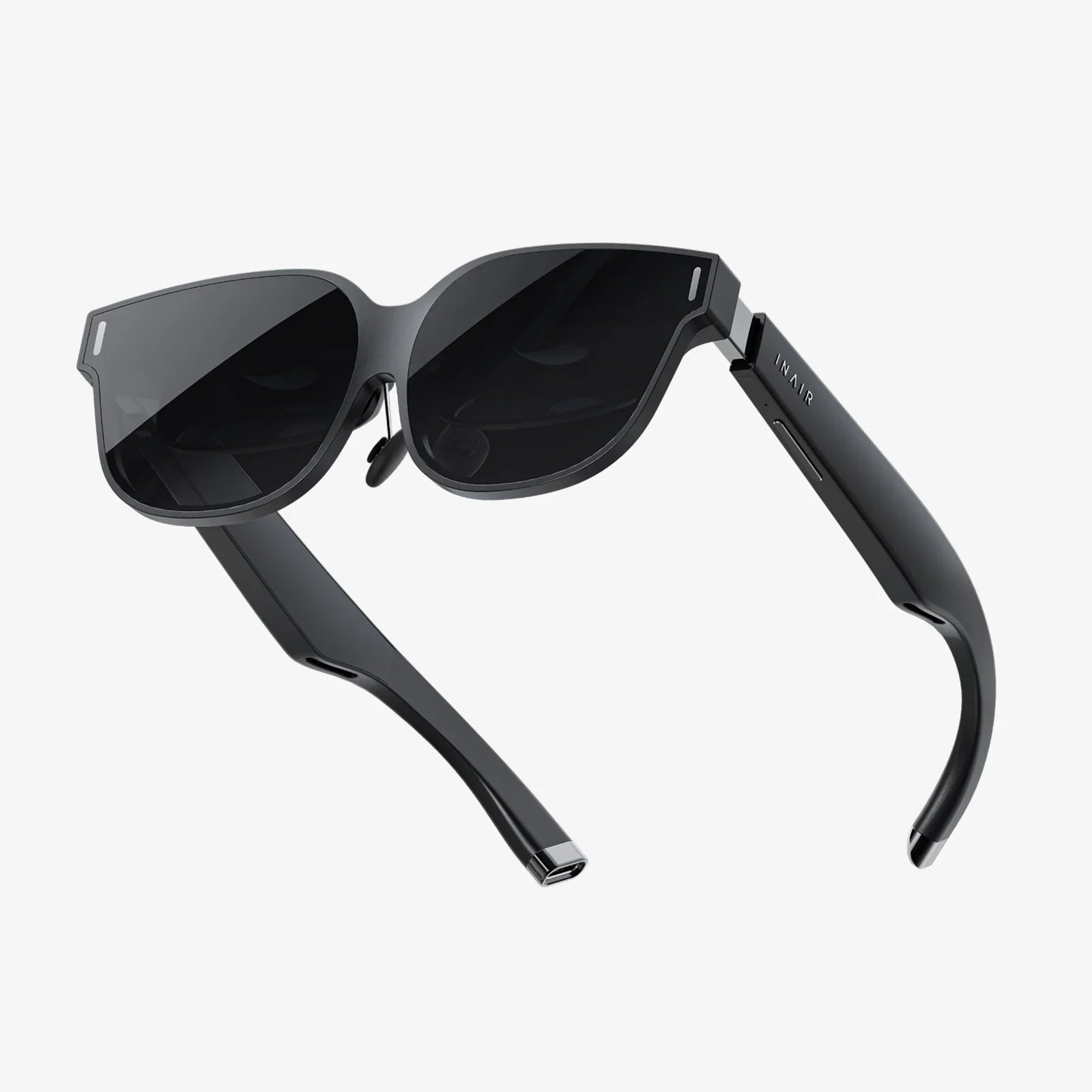
- by wangfred
VR Virtual Reality Price - A Comprehensive Guide to Cost and Value in 2024
- by wangfred
Imagine slipping on a headset and instantly being transported to a front-row concert, a meticulous surgical training room, or a fantastical battlefield millions of miles from Earth—this is the promise of virtual reality. But for many, the first question that shatters the immersion isn't about the specs or the experiences; it's a far more practical one: how much does it actually cost? The landscape of VR virtual reality price is a complex tapestry, woven with threads of cutting-edge technology, fierce market competition, and a vast spectrum of user expectations. It's no longer a simple question of a single number on a sticker. The true cost of admission into these digital realms involves understanding hardware tiers, the ecosystem that supports them, and the often-overlooked hidden expenses. This guide will demystify it all, providing a clear roadmap from budget-conscious entry points to the pinnacle of high-fidelity immersion, ensuring you can make an informed decision on where your virtual journey begins.
The most significant factor determining your initial VR virtual reality price outlay is the hardware itself. The market has matured into three distinct categories, each catering to different needs, budgets, and technical capabilities.
Standalone headsets represent the most significant revolution in making VR accessible to the masses. These all-in-one devices have the computer, displays, and tracking systems built directly into the headset. They are completely wireless, requiring no connection to an external PC or console, offering unparalleled freedom of movement and ease of setup.
Typical Price Range: $200 - $500
The Value Proposition: For this price, you get a complete, ready-to-use system out of the box. The value is in its convenience and accessibility. They are perfect for casual gaming, social interaction in virtual spaces, media consumption (360-degree videos, virtual cinemas), and fitness applications. The performance is solid for mobile-grade chipsets, though it naturally can't compete with the graphical fidelity of tethered systems.
Considerations: The processing power is finite, limiting the complexity of graphical experiences. Battery life is also a factor, with most offering 2-3 hours of continuous use on a single charge.
At the higher end of the VR virtual reality price spectrum are PC-powered headsets. These devices act as dedicated displays and sensors, but all the computational heavy lifting is handled by a powerful desktop computer to which the headset is connected via a cable (or increasingly, a high-quality wireless adapter).
Typical Price Range (Headset Only): $500 - $1,500+
The True Cost: This is where the sticker price of the headset becomes misleading. The critical, and often substantial, additional cost is the gaming PC required to run it. A VR-ready PC typically requires a powerful dedicated graphics card, a strong CPU, and ample RAM. For someone starting from scratch, a suitable PC can easily add another $800 to $2,000+ to the total investment.
The Value Proposition: You are paying for unparalleled performance. PC-VR offers the highest resolutions, the most detailed textures, the most complex physics, and the most immersive experiences available to consumers. It is the domain of hardcore simulators (flight, racing), deep narrative-driven games, and professional applications in architecture, design, and engineering.
This category is currently dominated by a single, highly successful player, which has done more than any other to normalize VR in the living room. Console-based VR offers a middle ground: it's more powerful and curated than mobile VR but far more affordable and simpler than a PC-VR setup.
Typical Price Range: $300 - $500 (requires the corresponding games console)
The Value Proposition: The value is in its optimized, user-friendly ecosystem. Because the hardware target is fixed (a single console model), developers can perfectly optimize their games to run smoothly and look excellent. It removes the technical guesswork and troubleshooting often associated with PC-VR. For owners of the requisite console, it represents the most cost-effective way to access high-quality, polished VR experiences.
The initial purchase of the headset is just the first chapter in the story of VR virtual reality price. To understand the true total cost of ownership, you must account for the ecosystem that brings the hardware to life.
A headset is a barren portal without software. The cost of VR titles varies widely:
A robust library of 10-15 games can easily add another $300-$500 to your long-term investment.
Accessories are optional but can profoundly enhance comfort and immersion, adding to the overall VR virtual reality price.
While not a monetary price, VR demands a physical one: room-scale play requires a clear, safe area. For those living in cramped spaces, this can be a significant practical barrier to entry, or may necessitate rearranging furniture—a cost of effort and convenience.
Analyzing VR virtual reality price purely through a cost lens misses the fundamental question: what is the value? The investment is not just in a piece of hardware; it's in a new form of media and communication.
The value is subjective. For a hardcore gamer, the price of a PC-VR setup is justified by hundreds of hours of elite gameplay. For a family, a single standalone headset might provide endless entertainment and fitness for everyone. For a business, the ROI is calculated in trained employees and saved resources.
The historical trend for technology is that prices fall while capabilities increase. VR is firmly on this path. The first modern consumer VR headsets launched for nearly $800, plus the cost of a $1,000+ PC. Today, a compelling standalone experience can be had for a quarter of that total price.
We can expect this trend to continue. Component costs like displays and sensors will keep falling. Competition in the standalone space will intensify, pushing innovation and creating more value at lower price points. The used market is also becoming more robust, offering a cheaper entry point for older, yet still capable, hardware.
However, the high end will also continue to push upwards. As new technologies like varifocal displays, eye-tracking, and photorealistic graphics emerge, premium headsets will command premium prices, maintaining a spectrum of choice for consumers.
Ultimately, the question of VR virtual reality price has never been easier to answer positively for the curious newcomer. With a clear understanding of the tiers of hardware, the ongoing costs of software, and the unique value the technology provides, the barrier to entering the virtual world is lower and more transparent than ever before. The door is open; you just have to decide how much you're willing to invest to step through it and discover what lies on the other side.
Whether you're a curious newcomer or a seasoned tech enthusiast waiting for the next leap, the evolving landscape of VR cost means your perfect portal into other worlds is closer than you think. The initial sticker shock has given way to a mature market with options for every budget, promising not just a purchase, but a passport to limitless experiences waiting beyond the headset's horizon.
Share:
AI 3D Renderer: The Revolutionary Force Reshaping Digital Realities
ar sun glasses And The Future Of Outdoor Augmented Reality