


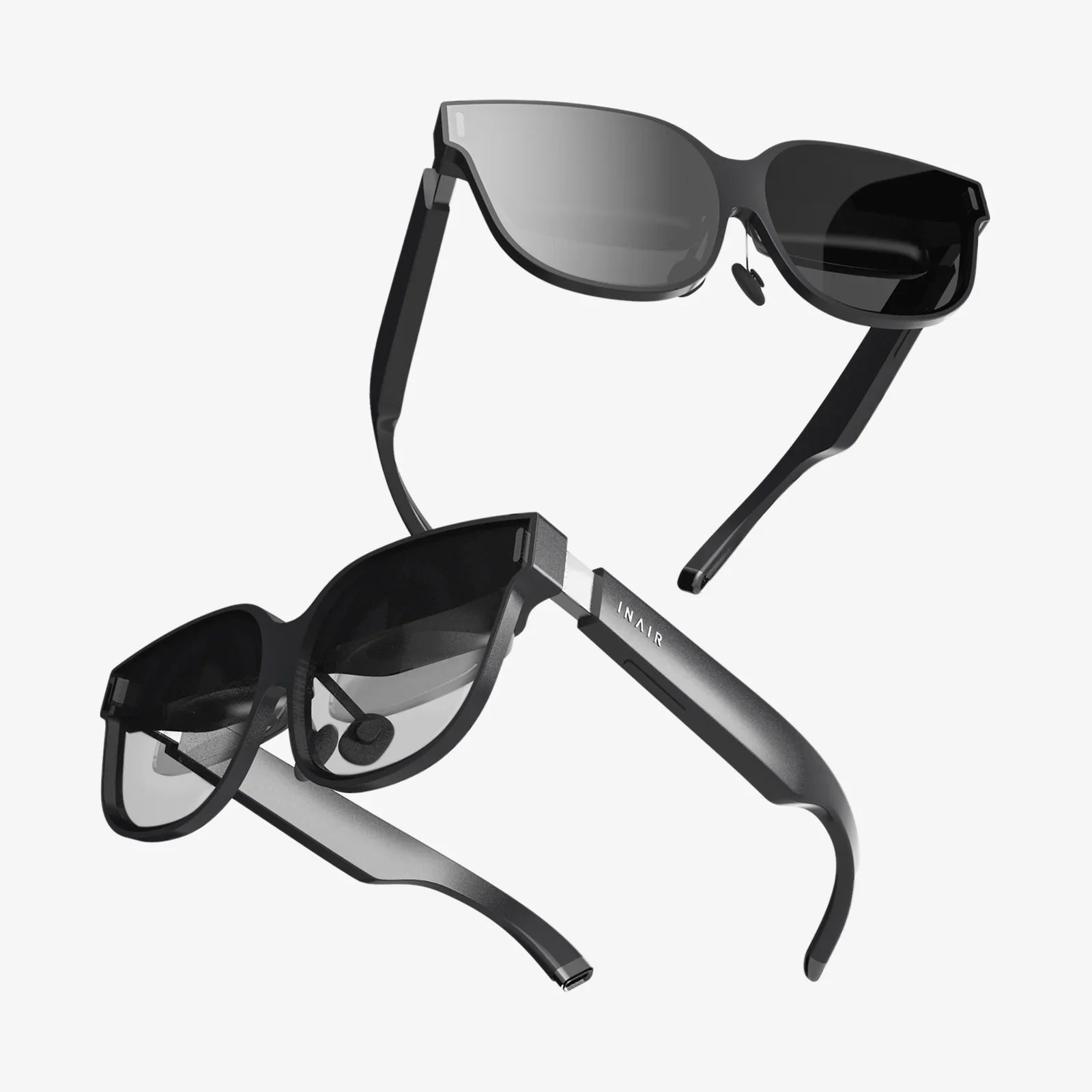
Imagine slipping on a device and instantly being transported to another world—a concert front row, a historical battlefield, the surface of Mars, or a fantastical game universe. This is no longer the stuff of science fiction. The act of VR wear, a VR headset, is the single most transformative action a person can take to step beyond the boundaries of physical space and into the vast, limitless expanse of digital reality. It is the ultimate portal, and its evolution is reshaping how we work, learn, play, and connect. The journey from clunky prototype to sleek, powerful wearable is a story of breathtaking technological acceleration, promising a future where the line between the real and the virtual becomes beautifully, wonderfully blurred.
The Anatomy of Immersion: Deconstructing the Modern VR Headset
At its core, a VR headset is a sophisticated feat of engineering designed to trick the human brain into accepting a digital environment as real. This illusion, known as presence, is achieved through a symphony of coordinated components.
The most critical element is the display. Modern devices utilize two high-resolution screens (one for each eye) or a single screen split into two segments. The key metrics here are resolution, measured in pixels per inch (PPI), and refresh rate, measured in hertz (Hz). Higher resolutions eliminate the "screen door effect"—that faint grid of lines between pixels that plagued early models—delivering a crisp, clear image. A high refresh rate, typically 90Hz or above, ensures smooth motion and drastically reduces latency, the delay between a user's movement and the screen's update. This is paramount for preventing motion sickness and maintaining the fragile state of presence.
But a beautiful picture is useless if it doesn't move with you. This is where tracking comes in. There are two primary methods: outside-in and inside-out. Outside-in tracking uses external sensors or base stations placed around the room to precisely monitor the headset's position. Inside-out tracking, now the standard for consumer devices, uses cameras and sensors embedded on the headset itself to map the physical environment and track its own movement within it. This eliminates the need for external hardware, offering a more convenient and portable setup.
User input is handled through controllers, which are themselves marvels of engineering. Equipped with haptic feedback motors, capacitive touch sensors, and their own sophisticated tracking systems, these controllers translate hand movements, gestures, and even finger positions into the virtual world. This allows for intuitive interactions like grabbing, throwing, pointing, and manipulating virtual objects with a startling degree of realism.
Finally, advanced audio systems complete the sensory package. Many headsets feature spatial audio or 3D audio technology, which uses head-related transfer functions (HRTF) to simulate how sound waves interact with the human head and ears. This creates sounds that appear to come from specific points in the 3D space around you, making a creaking door behind you feel genuinely unsettling or an approaching spaceship overhead sound truly immersive.
Beyond Gaming: The Expansive Universe of VR Applications
While gaming is the most famous application, the value of a VR headset extends far beyond entertainment. It is becoming a powerful tool across numerous professional and educational fields.
Revolutionizing Education and Training
Imagine medical students practicing complex surgical procedures on virtual patients, making mistakes and learning without any risk to human life. Architects and engineers can walk clients through full-scale, interactive 3D models of unbuilt structures. History classes can become time machines, allowing students to explore ancient Rome or witness pivotal moments firsthand. This experiential learning is far more impactful than reading from a textbook, leading to better retention and understanding.
Transforming Enterprise and Remote Work
The concept of the office is being redefined. With a VR headset, remote teams from across the globe can meet in a shared virtual boardroom, interacting with 3D data models and whiteboards as if they were in the same physical space. This fosters a level of collaboration and connection that flat video calls simply cannot provide. Industries like manufacturing use VR for prototyping and design review, saving millions in physical model costs, while retail brands are creating virtual showrooms for customers to explore.
Enhancing Healthcare and Therapy
The therapeutic potential is immense. VR exposure therapy is successfully treating patients with phobias (like fear of heights or flying) and PTSD by allowing them to confront triggers in a safe, controlled environment. It's used for physical rehabilitation, turning painful exercises into engaging games that improve patient motivation and outcomes. Surgeons use VR to plan complex operations, and the technology is even being explored for pain management, distracting patients during painful procedures.
The Human Factor: Comfort, Accessibility, and the Social Impact
For all the technology, the human experience remains paramount. A device that is uncomfortable to wear, difficult to use, or causes adverse effects like cybersickness will fail, no matter how advanced its specs.
Ergonomics and Comfort are critical. Designers spend countless hours on weight distribution, padding materials, and adjustable straps to ensure a device can be worn for extended periods without strain. The quest for smaller, lighter, and more balanced form factors is a major driver of innovation.
Accessibility is another crucial frontier. The industry is working to make experiences available to people with a wide range of physical abilities. This includes developing software with customizable controls, options for seated versus standing experiences, and addressing visual or auditory impairments. The goal is to ensure the virtual world is open to everyone.
The Social Impact of widespread adoption is a double-edged sword. On one hand, VR can connect people across vast distances in profoundly personal ways, fostering empathy and understanding through shared experiences. On the other, it raises concerns about further withdrawal into digital spaces, data privacy, and the psychological effects of living between two realities. Navigating this balance will be one of the great challenges of the coming decade.
Gazing into the Crystal Ball: The Future of VR Wearables
The current generation of headsets is impressive, but they are merely stepping stones to a even more integrated future. Several key technologies are poised to push the boundaries further.
Eye-Tracking and Foveated Rendering is a game-changer. By tracking where a user is looking, the system can render the center of their gaze in high detail while reducing the rendering load on the peripheral vision. This massively improves performance and visual fidelity without requiring exponentially more processing power.
The holy grail for many is Varifocal Displays, which solve the vergence-accommodation conflict—a primary cause of eye strain in current VR. Our eyes naturally change focus when looking at objects at different distances. Today's headsets have a fixed focal plane, forcing our eyes to remain focused at one distance even if a virtual object appears close or far. Varifocal technology dynamically adjusts the focal plane to match the virtual object's distance, creating a much more natural and comfortable visual experience.
Further out, we can expect advancements in haptic feedback beyond simple controller vibrations, including full-body suits and gloves that simulate touch and pressure. Brain-computer interfaces (BCI), though in early stages, hint at a future where we might control virtual environments with our thoughts alone.
Ultimately, the trajectory is toward devices that are lighter, more powerful, more intuitive, and more socially connected. They will become less of a distinct piece of hardware we "put on" and more of a seamless extension of our perception—a true pair of digital eyes.
The simple act of choosing to VR wear a VR headset is becoming synonymous with choosing exploration, connection, and creation. It’s an invitation to experience stories rather than watch them, to visit places rather than see pictures of them, and to collaborate with colleagues as avatars in a shared digital workspace. As the technology continues its rapid ascent, becoming more comfortable, affordable, and integrated into our daily lives, that initial moment of lifting the device to your eyes will cease to feel like putting on a gadget and will instead feel like opening a door—a door to anywhere, and anything, you can imagine.
Share:
Phone Based VR Headset: The Ultimate Guide to Accessible Virtual Reality
Best Budget VR Headset for Movies: Your Ultimate Guide to Cinematic Immersion