


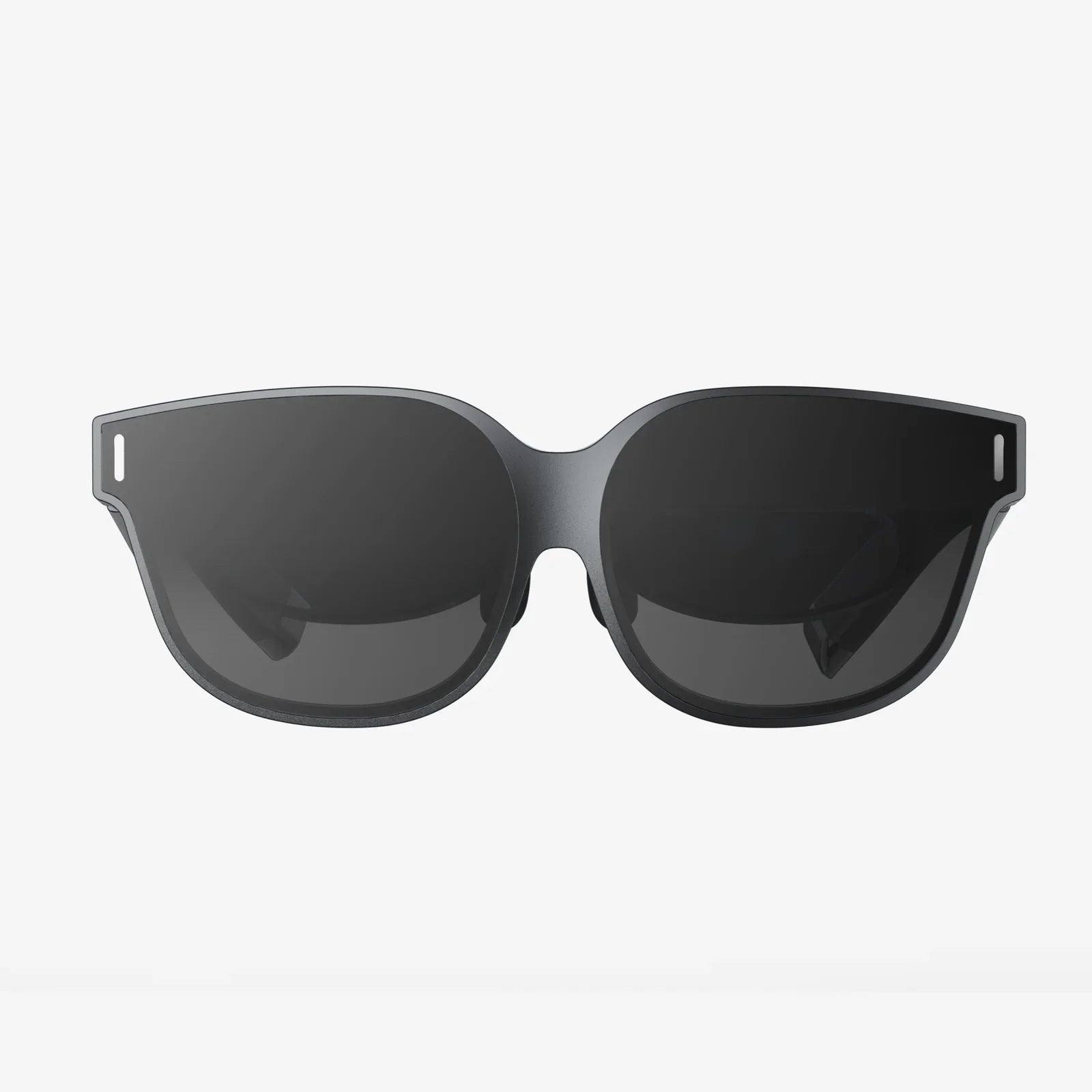
Imagine not just watching a concert but feeling the roar of the crowd vibrate through your very being, seeing the sweat on the brow of your favorite artist as they stand mere feet away, and looking down to find yourself on the edge of the stage. This isn't a dream; it’s the power that unfolds when you choose to watch virtual reality videos. This emerging medium is shattering the traditional rectangular screen, inviting us to step inside the story and experience digital content in a way that is fundamentally human—in every direction, and with a profound sense of presence. It’s more than viewing; it’s about being there. The journey from passive observer to active participant is not just a technological leap but a cultural one, redefining the very essence of entertainment, education, and connection.
The Technology Behind the Illusion
To truly appreciate the experience of watching a VR video, it's essential to understand the magic behind the curtain. The sensation of being transported to another world is achieved through a sophisticated interplay of hardware and software designed to trick the human brain into accepting a digital reality.
The primary gateway is, of course, the headset. These devices function as personal cinemas strapped to your face, but their purpose is far more complex than simply displaying an image. They use a combination of high-resolution displays (one for each eye), precise motion tracking, and specialized lenses to create a stereoscopic 3D effect. This means that each eye receives a slightly different image, mimicking how we perceive depth in the real world. This is the foundation of the immersive effect. Advanced headsets employ inside-out or outside-in tracking, using cameras and sensors to monitor the movement of your head and, in some cases, your body. This ensures that when you turn your head to look around your virtual environment, the world responds in perfect, fluid synchrony, maintaining the crucial illusion of presence.
Beyond the headset, the content itself is captured differently. Traditional films use a single camera. VR videos are typically captured using a special rig holding multiple cameras simultaneously, filming in every direction—360 degrees. This footage is then stitched together in post-production using powerful software to create a seamless spherical video. Creators must then think about spatial audio, a technology that makes sounds appear to come from specific points in the 3D space. A whisper behind you will sound like it's coming from behind you, further anchoring you in the experience. This multi-sensory approach is what separates VR from any other media format; it’s an empathetic technology that engages your entire perceptual system.
A Universe of Content at Your Fingertips
The question of what you can actually watch in VR has a thrilling answer: almost anything. The library of VR video content has exploded from novelty clips to a rich and diverse ecosystem of experiences catering to every imaginable interest.
Cinematic Narratives and Storytelling
Filmmakers are exploring VR as a powerful new narrative medium. Instead of guiding the viewer's gaze with cuts and close-ups, directors create immersive environments and place the viewer within the scene. You become a silent witness, or sometimes a character, in the story. The power of this format lies in its ability to generate profound empathy. A documentary about a refugee camp is impactful when seen on a news broadcast; it is emotionally devastating when you are standing in the middle of it, able to look into the eyes of those living there. This embodied storytelling allows for a deeper, more personal connection to the narrative than has ever been possible before.
Live Events and Front-Row Experiences
This is one of the most compelling applications of VR video. Major sporting leagues now offer VR streams that place you at the courtside, pitch-side, or even in the dugout. Music festivals and artists broadcast live concerts, offering a vantage point that would be impossible for any fan—on stage with the band, or floating above the crowd. The sense of shared experience, of being part of a live event happening halfway across the globe in real-time, is a potent antidote to geographical and physical limitations. It democratizes access to events that were once exclusive or unattainable.
Travel, Exploration, and Education
VR is the ultimate tool for virtual tourism. You can dive the Great Barrier Reef, walk the streets of ancient Rome reconstructed in detail, or stand on the surface of Mars, all from your living room. Museums and educational institutions are creating stunning VR tours of their exhibits, allowing you to examine priceless artifacts from every angle. For students, this means field trips to the heart of a volcano or the International Space Station. This technology doesn't just show you a place; it gives you a memory of having been there, making it an incredibly powerful tool for learning and fostering a deeper understanding of our world and beyond.
Gaming and Interactive Worlds
While interactive VR games are a category unto themselves, 360-degree videos are often used to create immersive, narrative-driven experiences that blend the lines between cinema and gameplay. These experiences might have you solving a mystery by examining a room for clues or making choices that affect the outcome of the story. This interactive layer adds a significant level of engagement, transforming you from a viewer into an active agent within the virtual world.
Navigating the Practicalities: How to Get Started
Embarking on your VR video journey is easier and more accessible than ever. The barrier to entry has lowered significantly, with options available for a range of budgets and technical comfort levels.
The first decision is your viewing device. On the simplest end, mobile VR headsets are affordable shells that house your smartphone. The phone's screen becomes the display, and its sensors handle the head tracking. This is a fantastic and low-cost way to dip your toes into the VR waters and access a vast library of content through apps. Dedicated VR headsets represent a significant step up in quality, comfort, and capability. These are standalone devices with built-in processors, displays, and tracking systems, offering a wireless, high-fidelity experience without the need for a powerful computer or console. For the ultimate in graphical fidelity and performance, PC-connected headsets exist. These units tether to a high-end gaming computer, unleashing the full potential of VR with stunning visuals and complex, interactive experiences, though at a higher cost and with less freedom of movement.
Once you have a headset, content is readily available through dedicated application stores. These platforms are curated hubs where you can browse, download, and stream thousands of VR videos and experiences. Many popular video streaming services have also incorporated VR apps, offering dedicated sections for 360-degree content. The discovery process is part of the fun, with user ratings and reviews helping you find the hidden gems that resonate with your interests.
Beyond Entertainment: The Wider Impact of VR Video
The implications of this technology stretch far beyond watching a thrilling movie or attending a virtual concert. The ability to create a convincing sense of presence is being harnessed for profound and world-changing applications.
In healthcare, VR videos are used for therapeutic purposes, such as exposure therapy for treating phobias or PTSD in a safe, controlled environment. Medical students practice complex surgical procedures on virtual patients, gaining valuable muscle memory and spatial understanding without risk. Architects and real estate agents create virtual walkthroughs of unbuilt homes or properties in another city, allowing clients to experience the space at a human scale long before a single brick is laid. Corporate training programs use VR to simulate dangerous workplace scenarios, from oil rig fires to public speaking engagements, providing realistic practice that improves safety and performance. These applications highlight VR's core strength: it is an empathy machine and a simulation engine, capable of preparing us for reality by masterfully replicating it.
The Challenges and Considerations on the Horizon
Despite its incredible potential, the world of VR video is not without its hurdles. The issue of motion sickness, or VR-induced nausea, still affects a portion of users. This is often caused by a disconnect between what the eyes see (movement) and what the inner ear feels (stationary). While technological advancements like higher refresh rates and better tracking have mitigated this significantly, it remains a consideration for creators who must carefully design experiences to minimize discomfort. Furthermore, the ethical considerations of such an immersive medium are only beginning to be explored. The power of VR to generate real emotional and psychological responses raises questions about content regulation, data privacy within these experiences, and the potential for misuse. As with any powerful technology, its trajectory will depend on responsible development and consumption.
The act to watch virtual reality videos is to open a door to a new dimension of human experience. It’s an invitation to stand where you are not, to feel what you have not felt, and to see the world—and indeed, other worlds—through a lens of boundless possibility. The screen that has defined a century of entertainment is dissolving around us, replaced by a universe of experiences waiting to be lived, not just watched. This is more than the next step in tech; it’s a fundamental shift in how we tell stories, share moments, and understand our place within the digital tapestry. The headset is your ticket; all you have to do is put it on and see for yourself what happens when the line between viewer and participant completely disappears.
Share:
How is AI Useful: Transforming Industries and Empowering Humanity
How is AI Useful: Transforming Industries and Empowering Humanity