


- by wangfred
Ways to Use Virtual and Augmented Reality Events for Immersive Engagement
- by wangfred
Imagine stepping onto a trade show floor buzzing with thousands of attendees, examining a life-sized prototype of a new vehicle from every angle, and then instantly teleporting to a keynote speech on the other side of the world—all from your living room, wearing nothing more than a sleek headset or even just using your smartphone. This is no longer the stuff of science fiction; it is the powerful, accessible, and utterly transformative reality of virtual and augmented reality events. As the digital and physical worlds continue to blur, these technologies are unlocking unprecedented ways to connect, educate, market, and inspire, offering a tantalizing glimpse into the future of human interaction and experience. The potential is limitless, and the time to explore it is now.
Before diving into the myriad applications, it's crucial to understand the distinction between the two technologies, as they offer unique advantages.
Virtual Reality creates a completely computer-generated, simulated environment. Users wearing a VR headset are fully immersed in a digital world, completely disconnected from their physical surroundings. This is ideal for creating controlled, distraction-free experiences where the entire narrative and environment are crafted from scratch.
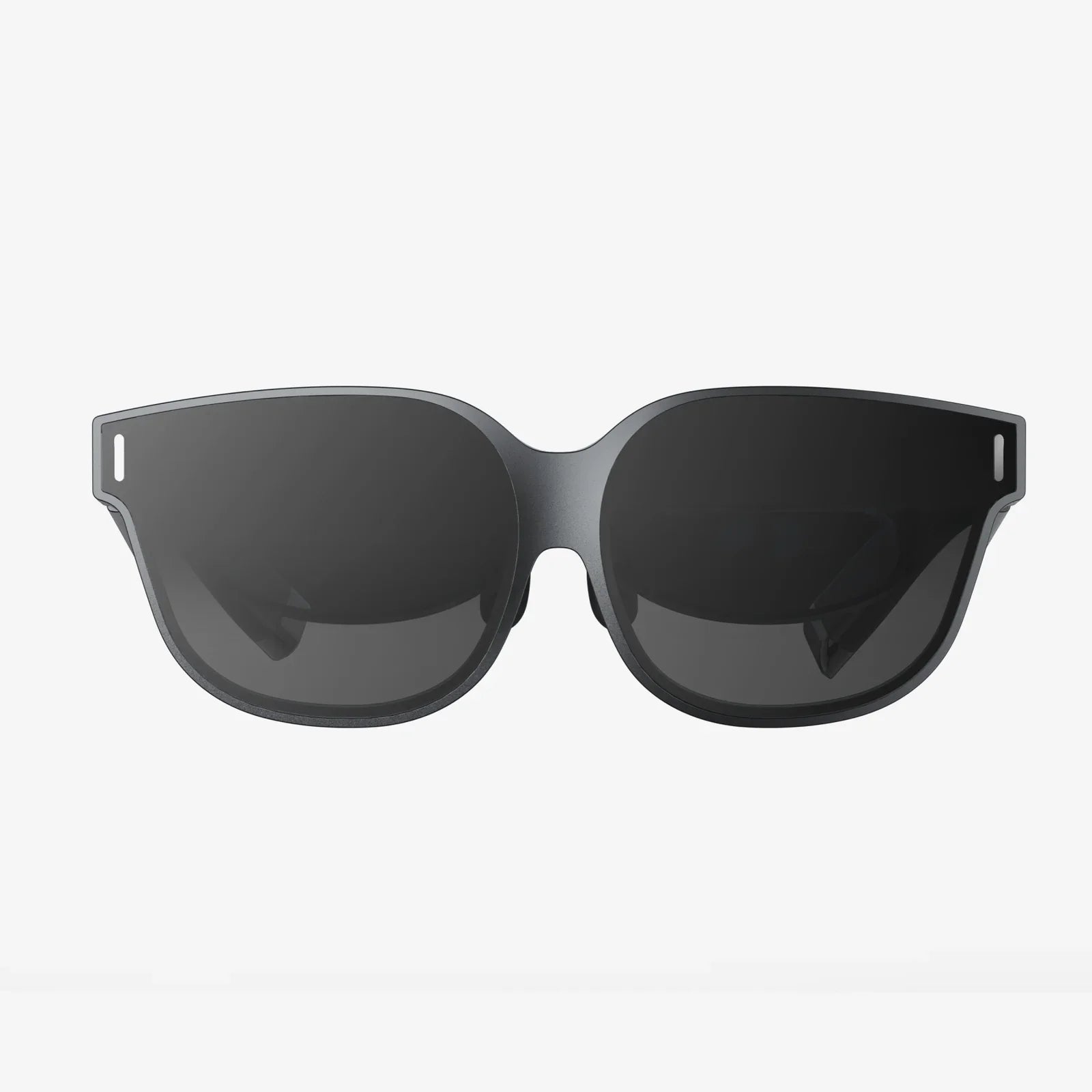
Augmented Reality overlays digital information—images, text, 3D models—onto the user's real-world view, typically through a smartphone, tablet, or AR glasses. It enhances the existing environment rather than replacing it, making it perfect for contextual information, interactive print materials, and blending digital content with physical spaces.
The most immediate and impactful application for these technologies has been in the corporate world, fundamentally changing how organizations meet, present, and connect.
Gone are the days of flat, webinar-style online events. VR and AR can transform a standard conference into a dynamic, interactive gathering. Companies can create custom virtual venues—replicating a sprawling convention center or designing something fantastical—where attendees, represented by detailed avatars, can network naturally through spatial audio, visit exhibitor booths, watch product demos, and attend sessions. This eliminates travel costs and geographical barriers, allowing for a truly global audience while providing valuable analytics on attendee engagement and behavior.
Launching a new product can be transformed from a passive announcement into an unforgettable experience. Instead of watching a video, potential customers can use AR to place a true-to-scale 3D model of the product in their own home to see how it fits and looks. For a vehicle, they could open the doors, peer inside, and even change its color with a tap. A VR experience could transport them to a virtual test track to experience the product in action. This creates a deep emotional connection and a memorable impression far beyond a static image or video.
Training employees, especially for complex, dangerous, or expensive tasks, is a perfect use case. VR can simulate high-risk environments—like a factory floor, an operating room, or a construction site—allowing trainees to practice procedures repeatedly without any risk or resource cost. AR can provide real-time, hands-free guidance to technicians performing repairs, overlaying schematics and instructions directly onto the equipment they are working on. This accelerates learning, improves retention, and enhances safety protocols dramatically.
Industries like real estate, hospitality, and interior design are being revolutionized. Instead of static photos, potential buyers can take a self-guided, immersive VR walkthrough of a property from anywhere in the world. Furniture retailers can use AR to allow customers to see how a sofa or table will look and fit in their actual living space. Museums and historical sites can create AR overlays that bring exhibits to life, showing reconstructions of ancient ruins or providing additional context when a visitor points their device at an artifact.
Beyond corporate applications, these technologies are powerful tools for building genuine human connection.
Remote work can sometimes feel isolating. VR social spaces offer a solution, providing a platform for teams to gather in a way that feels more natural than a video grid. Teams can collaborate on virtual whiteboards, play interactive games together, or simply socialize in a virtual lounge, fostering camaraderie and a stronger company culture despite physical distance.
For events with both in-person and remote attendees, AR can bridge the gap. Remote participants could appear as holographic projections on the physical stage, making them feel present. Those at the venue could use an AR app on their phone to view interactive schedules, get directions to sessions, or see digital annotations and translations overlaid on physical exhibits, enriching the experience for everyone.
The creative possibilities for marketing and storytelling are boundless, allowing brands to craft deeply engaging narratives.
Brands can create immersive AR scavenger hunts in cities or within stores, encouraging users to find virtual objects to win prizes. VR can place users inside a branded game or narrative experience, creating a powerful emotional association with the product or message. This form of engagement is highly shareable and memorable, cutting through the noise of traditional advertising.
Complex data sets and abstract concepts become tangible in VR and AR. Architects and city planners can walk clients through a full-scale 3D model of a new building. Scientists can step inside a model of a molecule or a human cell. Journalists can place audiences in the middle of a news story, creating empathy and understanding on a whole new level. This transforms dry information into an intuitive and impactful experience.
While the potential is staggering, challenges remain. Accessibility and the cost of hardware can be a barrier, though smartphone-based AR is making the technology nearly universal. Designing intuitive user interfaces and ensuring a comfortable experience to avoid motion sickness in VR are critical design considerations. Furthermore, creating high-quality, immersive content requires investment and expertise. However, as technology advances, costs decrease, and 5G connectivity reduces latency, these barriers will continue to fall, paving the way for even more seamless and integrated experiences.
The line between attending an event and being part of it is vanishing. We are moving towards a future where the default mode of experience will be a hybrid blend of physical and digital, and those who harness the power of VR and AR now will be the leaders defining that new reality. The ability to craft moments of genuine wonder, to facilitate deeper learning, and to connect people across continents as if they were in the same room is no longer a futuristic promise—it's a present-day toolkit waiting to be unleashed. The next event you host or attend might just be the most memorable one yet, precisely because it transcends the limitations of location and redefines what is possible.