


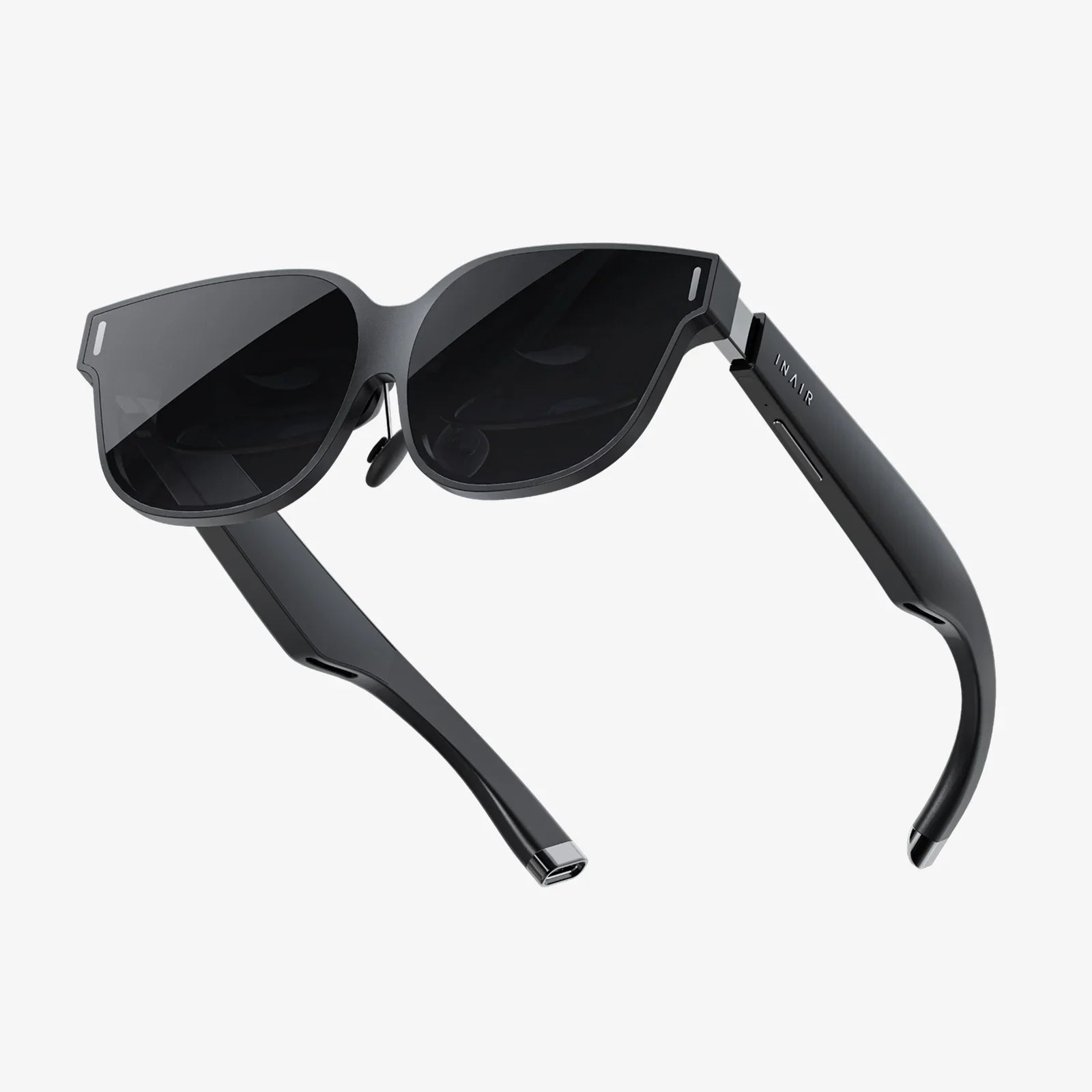
Imagine stepping inside the human body to witness the delicate dance of a cell division, practicing a complex heart surgery without a single real-life risk, or walking through a building that hasn't been built yet. This isn't science fiction; it's the tangible, awe-inspiring reality of virtual reality today. While often pigeonholed as the ultimate gaming accessory, VR has quietly and powerfully infiltrated nearly every facet of our professional and personal lives, offering solutions that were once the stuff of fantasy. The true potential of this technology lies not in escaping our world, but in profoundly enhancing it, creating new dimensions of experience, empathy, and efficiency. The journey into the virtual is, paradoxically, one of the most significant steps forward in our physical world.
The Digital Operating Room: Revolutionizing Healthcare and Therapy
The application of virtual reality in medicine is perhaps one of its most life-altering uses. It is creating safer surgeons, more effective therapists, and more empathetic caregivers.
Surgical Training and Planning
Medical students and seasoned surgeons alike are using VR to step into hyper-realistic simulations of complex procedures. They can practice intricate techniques, from laparoscopic surgeries to delicate neurological operations, in a risk-free environment. This hands-on rehearsal improves muscle memory, spatial understanding, and decision-making skills without ever touching a cadaver or putting a patient in jeopardy. Furthermore, surgeons can use patient-specific VR models created from CT or MRI scans to plan and visualize a procedure beforehand, navigating the unique anatomy of an individual to anticipate challenges and optimize surgical pathways.
Pain Management and Physical Rehabilitation
VR is proving to be a powerful non-pharmaceutical tool for pain distraction. For patients suffering from severe burn wounds, phantom limb pain, or during painful procedures like wound care, immersive VR experiences can significantly reduce perceived pain levels by engaging the brain's visual and auditory senses. In physical rehabilitation, VR turns repetitive and often monotonous exercises into engaging games. Patients recovering from a stroke or a spinal cord injury can practice motor skills and balance in a virtual environment, which provides real-time feedback and measurable goals, dramatically increasing motivation and improving outcomes.
Exposure Therapy for Mental Health
Therapists are leveraging controlled VR environments to treat phobias, anxiety disorders, and PTSD. A patient with a fear of flying can gradually experience the sights and sounds of an airport and a plane takeoff from the safety of the therapist's office. A veteran with PTSD can safely revisit and process traumatic memories in a manageable way. This controlled exposure allows individuals to confront and overcome their fears in a safe, calibrated, and effective manner.
The Immersive Classroom: Transforming Education and Training
Education is being transformed from a passive listening exercise into an active, experiential journey. VR allows students to not just learn about history or science, but to live it.
Experiential Learning
Instead of reading about ancient Rome, students can take a guided tour through a meticulously reconstructed digital forum. Rather than watching a video about the solar system, they can stand on the surface of Mars, looking up at a red-tinted sky. Biology students can shrink down to the cellular level, and art students can step inside a Van Gogh painting. This level of immersion boosts engagement, improves knowledge retention, and fosters a deeper, more intuitive understanding of complex subjects by making them tangible.
Professional Skills and Safety Training
From technical colleges to corporate boardrooms, VR is the ultimate training simulator. Aspiring welders can practice their technique without wasting materials. Mechanics can learn to repair a complex engine by interacting with a 3D model. Corporate employees can practice public speaking in front of a virtual audience or undergo realistic emergency evacuation drills for high-risk environments like oil rigs or chemical plants. This allows for the safe mastery of high-stakes skills, reducing training costs and minimizing real-world risk.
The Future of Work: Enhancing Enterprise and Remote Collaboration
The concept of the office is being redefined by virtual reality, moving beyond video calls to truly shared virtual spaces.
Design and Prototyping
Architects, engineers, and product designers are using VR to visualize and interact with their creations at a 1:1 scale long before the first brick is laid or the first prototype is machined. A team of automotive designers can examine the interior of a new car model, checking sightlines and ergonomics. Architects can walk clients through a virtual building, allowing them to experience the space and suggest changes when modifications are still inexpensive and easy to make. This streamlines the design process, saves immense resources, and leads to a superior final product.
Virtual Meetings and Collaboration
Remote work is enhanced through VR meeting rooms where participants, represented by avatars or realistic volumetric captures, can interact with 3D models, share virtual whiteboards, and communicate with body language and spatial audio that mimics a real-life meeting. This fosters a stronger sense of presence and teamwork than a grid of video feeds ever could, making collaboration more natural and effective for distributed teams.
Retail and Virtual Commerce: Trying Before You Buy, From Anywhere
The way we shop is on the cusp of a revolution. Virtual reality offers a solution to the limitations of online shopping by restoring the ability to experience a product.
Consumers can use VR to see how a piece of furniture would look and fit in their actual living room, using their phone's camera to map the space. They can "try on" clothes, glasses, or makeup in a virtual mirror. Car buyers can take a virtual test drive of a new model, customizing the color and features in real-time. This reduces purchase anxiety, decreases return rates, and provides a engaging, convenient shopping experience from the comfort of home.
Virtual Real Estate Tours
Potential home buyers or renters can take full, self-guided tours of properties anywhere in the world without having to travel. They can open cabinets, check the view from a window, and get a true feel for the flow of the space, saving time for both clients and agents and making long-distance relocations much simpler.
Social Connection and Entertainment: Building New Worlds Together
While gaming is a major driver, the social and entertainment applications of VR extend far beyond it, creating new forms of shared experience.
Virtual Social Platforms
Platforms exist where people can gather as avatars to play games, watch movies on a giant virtual screen, attend live concerts, or simply hang out and chat in fantastical environments. For people separated by distance or those with mobility issues, this provides a profound sense of togetherness and shared presence that traditional social media cannot replicate.
Interactive Storytelling and Film
Filmmakers and artists are exploring VR as a new narrative medium. Instead of watching a story unfold on a rectangle, you stand within it. You can look around, move, and sometimes even influence the narrative, becoming an active participant rather than a passive observer. This creates an unparalleled level of emotional connection and immersion, redefining the art of storytelling.
The Boundless Horizon
The ways to use virtual reality are limited only by our imagination. It is a tool for empathy, allowing us to experience the world through another's eyes via immersive journalism. It's a platform for artists to sculpt in 3D space and for fitness enthusiasts to box in a virtual gym. As the technology becomes more affordable, comfortable, and sophisticated, its integration into our daily lives will only deepen. We are moving towards a future where the line between our physical and digital existences will blur, not to replace reality, but to augment it, enrich it, and unlock human potential in ways we are only beginning to comprehend. The headset is not just a portal to games; it's a window into the future of humanity itself, and it's a view you have to see to believe.
Share:
What Are Level Smart Glasses - The Ultimate Guide to Hands-Free Tech
Future of Workplace Technology: Redefining Productivity, Culture, and Human Potential