


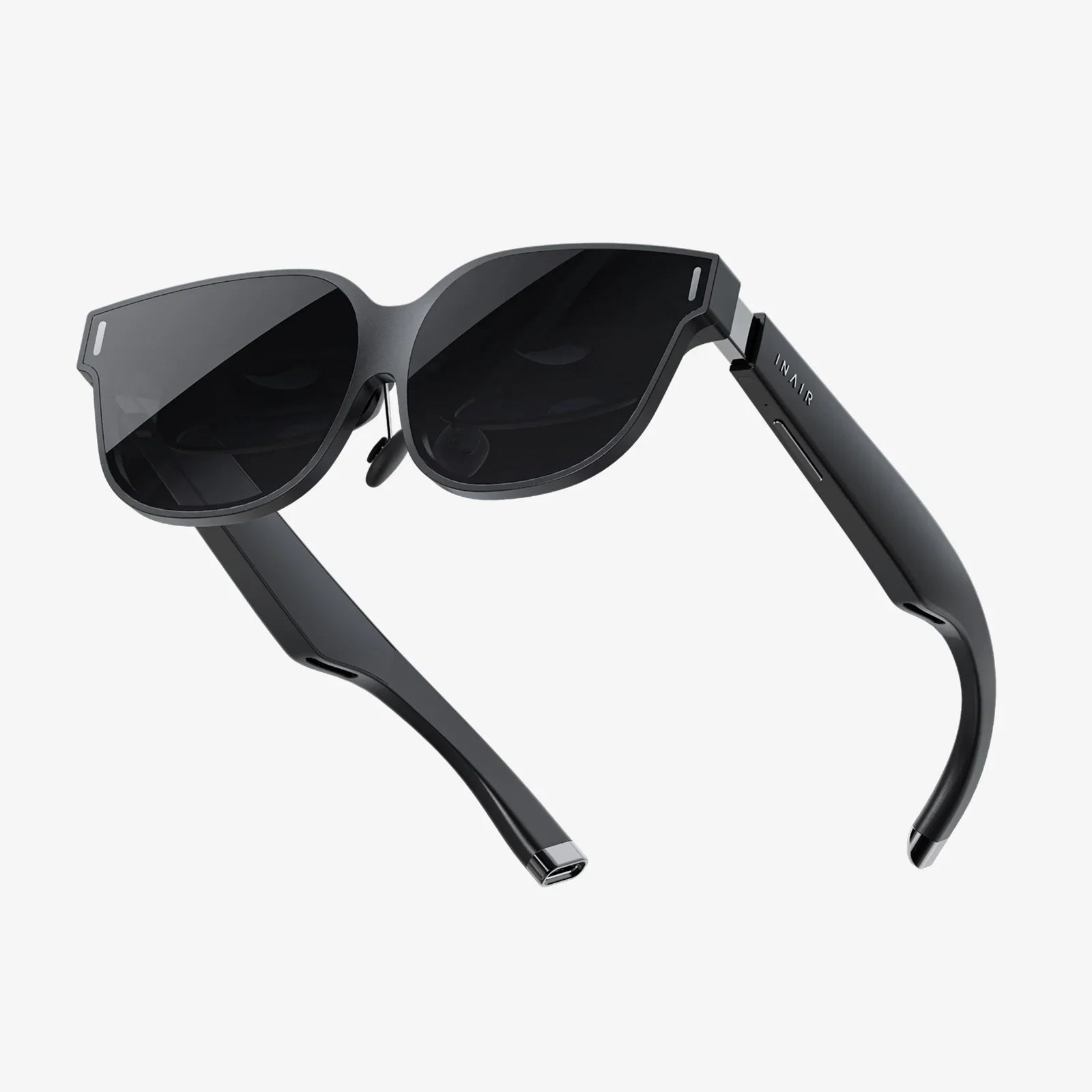
Close your eyes and imagine a world unbound by physics, geography, or limitation—a digital frontier where the only currency is imagination and the only passport is a headset. This is no longer the stuff of fantasy; it is the burgeoning reality for millions. The statement "We Are VR Virtual Reality" has evolved from a technological description into a profound declaration of a new collective identity, a testament to how this technology is weaving itself into the very fabric of human experience, connection, and expression. We are standing at the precipice of a revolution that promises to redefine not just how we play games or watch movies, but how we learn, heal, work, and ultimately, how we understand our place in the cosmos.
From Novelty to Necessity: The Meteoric Ascent of Immersive Tech
The journey of virtual reality from a clunky, expensive curiosity to a sleek, accessible portal has been nothing short of remarkable. For decades, it existed in research labs and military simulations, a powerful tool too complex and costly for mainstream adoption. The turning point wasn't merely a improvement in screen resolution or a reduction in weight; it was a fundamental shift in philosophy. The technology transitioned from being something you look at to a space you step into. This paradigm shift was powered by breakthroughs in positional tracking, low-latency rendering, and intuitive motion controllers that translated human gesture into digital action. This created a sense of presence—the undeniable, visceral feeling of being there, in the virtual world—which is the cornerstone of the entire VR experience. Without presence, it's just a 3D movie; with it, it's a new reality.
Beyond the Game: The Expansive Ecosystem of VR Applications
While entertainment provided the initial rocket fuel for consumer adoption, to view VR solely through the lens of gaming is to see only the tip of a massive iceberg. The true potential of this technology lies in its capacity for transformation across every major sector of human endeavor.
Revolutionizing Education and Training
Imagine a medical student from Nairobi performing a delicate virtual dissection of a human heart, or an apprentice welder mastering their craft in a zero-risk, zero-cost simulation. VR is dismantling the barriers of traditional education. It enables experiential learning, where users don't just read about ancient Rome—they walk through its bustling forums. They don't just watch a documentary about the ocean depths—they swim alongside whales. This hands-on, immersive learning style dramatically improves knowledge retention and comprehension. In high-stakes fields like surgery, aviation, and emergency response, VR training simulations provide invaluable practice without any real-world risk, creating more competent and confident professionals.
Transforming Healthcare and Therapy
The therapeutic applications of VR are nothing short of miraculous. It is being used to manage acute and chronic pain by distracting the brain with calming, engaging virtual environments. For patients undergoing painful procedures or suffering from burn injuries, VR serves as a powerful non-pharmaceutical analgesic. In mental health, therapists are using exposure therapy in VR to safely and gradually help patients confront and overcome phobias, anxiety, and PTSD. For individuals with physical disabilities or those recovering from strokes, VR-based rehabilitation exercises turn tedious movements into engaging games, boosting motivation and accelerating recovery.
Redefining Social Connection and Remote Work
The phrase "We Are VR" finds its deepest meaning in the social sphere. Social VR platforms are evolving into vibrant digital metropolises where people meet, converse, collaborate, and create using personalized avatars. These are not merely video calls with cartoon faces; they are shared spatial experiences where body language, proximity, and eye contact are translated, fostering a sense of togetherness that flat screens cannot replicate. This has profound implications for the future of work. Remote teams can gather around a virtual prototype, architects can walk clients through unbuilt designs, and colleagues can brainstorm on a 3D mind map as if they were in the same room. It promises to erase the concept of geographical distance, creating a global village in a truly literal sense.
The Human Element: Identity, Empathy, and the Virtual Self
Perhaps the most fascinating aspect of VR is its exploration of identity. When you don an avatar, you are granted a unique form of agency—the ability to present yourself in any way you choose. This can be a powerful tool for self-expression, gender exploration, and overcoming social anxiety. This digital embodiment also fosters a profound capacity for empathy. Experiences that allow users to step into the shoes of another—to see the world through the eyes of a refugee, a person with a disability, or someone from a completely different background—have the potential to build bridges of understanding in a deeply divided world. VR doesn't just show you a story; it makes you a participant within it, forging an emotional connection that is both powerful and transformative.
Navigating the Uncharted: Ethical Considerations and Challenges
As with any powerful technology, the rise of VR is not without its challenges and ethical dilemmas. The very immersion that makes it so compelling also raises concerns. Issues of data privacy and security are paramount, as these systems can collect incredibly intimate data about our movements, reactions, and even biometric responses. The potential for addiction and the blurring of lines between reality and virtuality are serious concerns that society must address. Furthermore, ensuring equitable access is crucial to prevent a new digital divide from emerging. The industry must also grapple with establishing universal standards for safety, conduct, and ethics within these shared virtual spaces to prevent harassment and ensure they remain inclusive environments. The question is not just what VR can do, but what it should do, and what guardrails we must build to guide its evolution responsibly.
The Future is a Shared Horizon
The trajectory of VR points toward even greater integration with our lives. The development of more compact, affordable, and powerful hardware, often referred to as "all-in-one" devices, will continue to democratize access. Haptic feedback suits and gloves will evolve from novelties into standards, allowing us to feel the virtual world. The convergence of VR with augmented reality (AR) will eventually lead to always-on, context-aware computing glasses that seamlessly blend the digital and physical realms. And as artificial intelligence becomes more sophisticated, our interactions within these worlds will become more natural and intuitive, with AI-driven characters and environments that respond and adapt to us in real-time.
We are no longer mere users or consumers of this technology. We are its pioneers, its citizens, and its architects. Every time we create a virtual sculpture, attend a virtual concert, heal a virtual patient, or simply share a laugh with a friend in a digital space, we are collectively building this new layer of human existence. The statement "We Are VR Virtual Reality" is a recognition that this technology has transcended its hardware. It has become a canvas for the human spirit, a tool for connection, and a mirror reflecting our deepest hopes for a future without limits. The headset is not just a device; it is a portal, and we are the ones stepping through it, together, to build what comes next.
Share:
Virtual Mobile Workspaces: The Future of Productivity Is in Your Pocket
True AR Smart Glasses Are Finally Here, and They Will Change Everything