


Imagine a world where the soundtrack to your life is not just heard but felt, where your headphones are not merely a playback device but an intelligent companion seamlessly integrated into your daily routine, anticipating your needs and enhancing your reality. This is no longer the realm of science fiction; it is the pulsating, rapidly evolving reality of the wearable audio device market. From the moment the first commercially successful wireless earbuds hit the scene, they sparked a revolution, untethering us from our devices and setting the stage for an era of unprecedented audio innovation. Today, this market is a crucible of technological ambition, consumer desire, and cultural shift, representing one of the most dynamic and fiercely competitive sectors in consumer electronics.
The Sonic Boom: From Wires to Wireless Intelligence
The journey of the wearable audio market is a testament to rapid technological adoption. The initial phase was defined by a single, powerful trend: the eradication of the wire. The shift from traditional wired headphones to Bluetooth-enabled neckbands and, subsequently, to True Wireless Stereo (TWS) earbuds, was nothing short of revolutionary. This transition was fueled by advancements in Bluetooth technology, offering improved bandwidth, lower latency, and enhanced power efficiency. Consumers embraced the freedom and convenience, making TWS earbuds a ubiquitous accessory almost overnight.
However, the market did not stop at mere wireless playback. The second wave of innovation introduced active noise cancellation (ANC). This technology, once a premium feature reserved for high-end over-ear headphones, rapidly trickled down into compact earbud form factors. ANC transformed the user experience, allowing individuals to create personal zones of auditory serenity in noisy environments like commutes, open-plan offices, and busy streets. This feature quickly shifted from a luxury to a near-standard expectation in mid-to-high-tier products, demonstrating the market's rapid feature adoption cycle.
Beyond Music: The Rise of the Intelligent Hearable
The most significant evolution in the wearable audio device market is the transition from headphones to hearables. This subtle change in terminology signifies a profound shift in purpose. A hearable is not just for listening to music; it is a multi-functional wearable computer for the ears.
- Integrated Voice Assistants: Devices now offer hands-free access to voice assistants, allowing users to control smart home devices, set reminders, send messages, and get answers to questions without ever touching their phone.
- Health and Wellness Monitoring: This is a frontier with immense potential. Advanced sensors are being incorporated to track biometric data such as heart rate, body temperature, and even electrocardiogram (ECG) readings. Some prototypes are exploring the potential for non-invasive blood glucose monitoring, which could be a game-changer for millions.
- Augmented Audio Reality and Spatial Audio: Leveraging accelerometers and gyroscopes, modern hearables can create immersive, three-dimensional soundscapes. This enhances gaming, movie-watching, and is the foundational technology for future audio-based augmented reality experiences, where digital soundscapes are overlaid onto the real world.
- Real-Time Translation: While still improving, near real-time language translation through earbuds is breaking down communication barriers, effectively positioning the hearable as a universal translator.
This convergence of audio, health, and connectivity is turning the wearable audio device into a central hub for personal digital interaction, making it an indispensable tool for the modern consumer.
Catalysts of Growth: What's Driving the Market Forward?
The explosive growth of the wearable audio device market is not accidental. It is being propelled by a powerful confluence of factors that create a perfect storm of demand and innovation.
The Remote Work and Hybrid Lifestyle: The global shift to remote and hybrid work models has fundamentally altered audio device usage. With an increase in video conferencing, online learning, and the need for focused concentration at home, demand for high-quality microphones for clear communication and effective ANC for blocking out distractions has skyrocketed. The hearable has become a critical productivity tool.
The Fitness and Wellness Revolution: As health consciousness grows, consumers are seeking devices that offer more than just step counting. Wearable audio devices that can track heart rate zones during a workout, provide real-time audio coaching, and monitor overall exertion levels seamlessly integrate into an active lifestyle, eliminating the need for multiple dedicated devices.
Advancements in Core Technologies: Underpinning all these features are continuous improvements in silicon. More efficient Bluetooth chips extend battery life. Smaller, more powerful drivers improve sound quality. Miniaturized sensors enable health tracking. Improved algorithms make ANC and transparency modes smarter and more adaptive. These incremental tech gains collectively enable the leap to more sophisticated hearables.
The Ecosystem Play: Major technology companies are creating tightly integrated ecosystems of devices—phones, watches, laptops, and smart home devices. Wearable audio is a crucial piece of this puzzle, designed to work flawlessly within a specific brand's ecosystem, encouraging customer loyalty and repeat purchases.
Navigating the Static: Challenges and Consumer Considerations
Despite the exciting progress, the market faces significant headwinds and consumers must navigate a complex landscape of choices.
Battery Life and Charging Anxiety: While battery technology has improved, the compact form factor of TWS earbuds inherently limits capacity. The need for frequent charging, the longevity of the batteries over the device's lifespan, and the proliferation of different charging standards (Qi, proprietary wireless, etc.) remain persistent concerns for users.
The Intensifying Battle for Audio Privacy and Security: As hearables become more intelligent, they are constantly listening for their wake word. This raises legitimate questions about data collection, storage, and usage. The audio data captured by these devices is intensely personal. Ensuring this data is encrypted, anonymized, and not misused is a paramount challenge for manufacturers to build and maintain consumer trust.
Market Saturation and Feature Differentiation: The market is flooded with options at every price point. For many brands, differentiating products beyond incremental improvements in battery life or slight sound quality tweaks is becoming increasingly difficult. This can lead to aggressive price competition, squeezing margins and potentially stifling innovation.
The Sustainability Question: The consumer electronics industry faces intense scrutiny over its environmental impact, and wearable audio is no exception. The use of rare-earth metals, plastics, and the difficulty of recycling small, complex devices present a major challenge. The industry is being pushed toward designing for repairability, using recycled materials, and establishing robust product recycling programs.
The Sound of Tomorrow: Future Trends and Trajectories
Looking ahead, the wearable audio device market is poised for even more transformative changes. The next decade will be defined by deeper integration and more immersive experiences.
True Augmented Reality Audio: The next evolution will move beyond basic spatial audio to context-aware sound. Imagine walking through a city and receiving audio navigation cues directly in your ears, or having historical information about a landmark narrated to you as you look at it. Hearables will become the primary interface for audio AR, layering a rich, informative soundscape onto our perception of the world.
Advanced Biometric Sensing: Health monitoring will become more sophisticated and clinically validated. Continuous, medical-grade health tracking could provide early warnings for conditions like atrial fibrillation, transforming hearables from lifestyle gadgets into vital health guardians. This will require navigating rigorous regulatory landscapes but offers enormous societal benefits.
Artificial Intelligence and Machine Learning: AI will be the defining technology, moving from the cloud to the device itself (on-device processing). This will enable features like personalized sound optimization that adapts in real-time to your hearing profile and environment, smarter noise cancellation that can filter specific unwanted sounds (e.g., a crying baby but not a partner speaking), and more natural and contextual interactions with voice assistants.
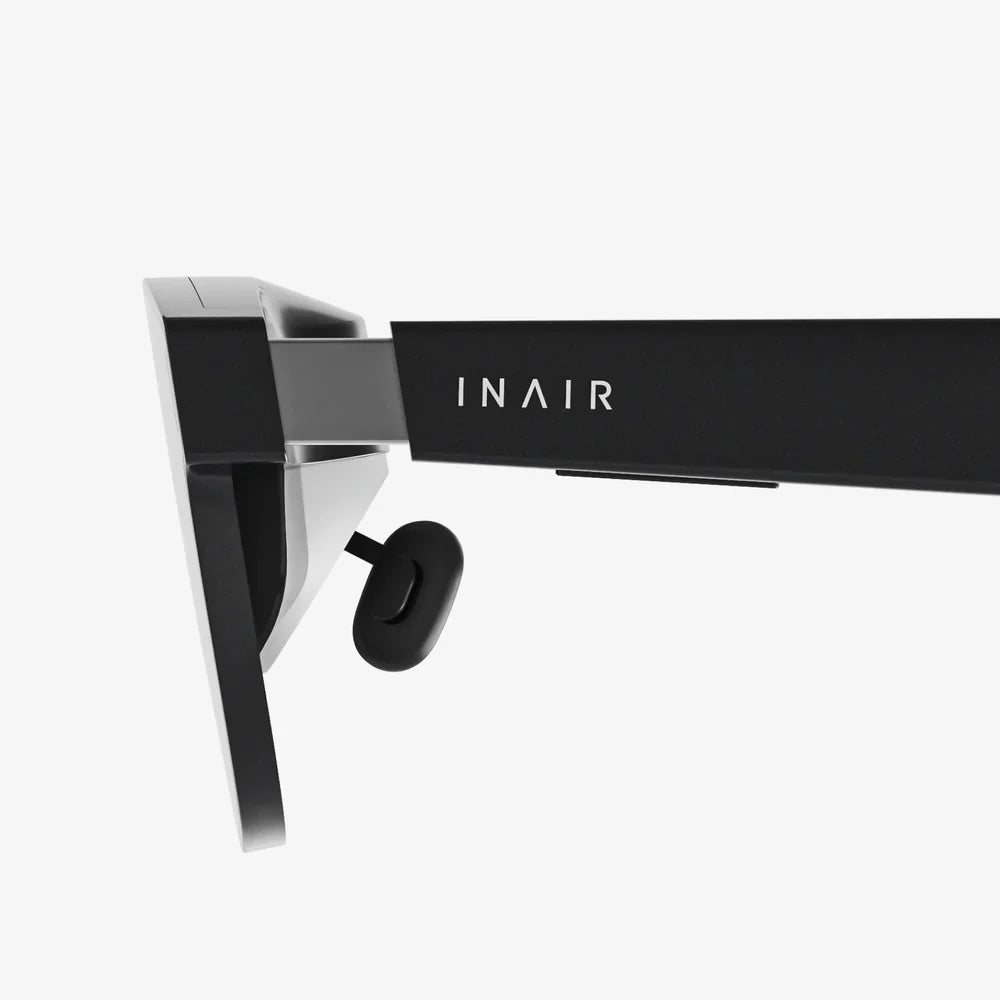
Form Factor Innovation: While earbuds dominate today, the future may see more diverse designs, including audio glasses that seamlessly integrate speakers, and even subdermal or in-ear implants that offer a permanent, invisible hearing enhancement solution.
The wearable audio device market has successfully moved beyond its humble beginnings as a simple music delivery system. It has positioned itself at the intersection of entertainment, communication, health, and computing. The devices we wear in our ears are becoming the most personal of computers, offering a unique combination of convenience, discretion, and powerful sensing capabilities. As technology continues to advance, the line between the digital and auditory worlds will blur even further, turning what was once a simple accessory into an indispensable, intelligent, and deeply integrated partner in our daily lives. The question is no longer if you will own a pair, but how profoundly they will enhance your existence.
The evolution of sound is happening not in grand concert halls, but in the intimate space of the human ear, and the entire industry is listening intently to the rhythm of our lives, ready to compose the next movement.
Share:
Digital Content Trends 2025: The Dawn of Hyper-Personalized and Immersive Experiences
VR Gear for Gaming: The Ultimate Portal to Immersive Virtual Worlds