


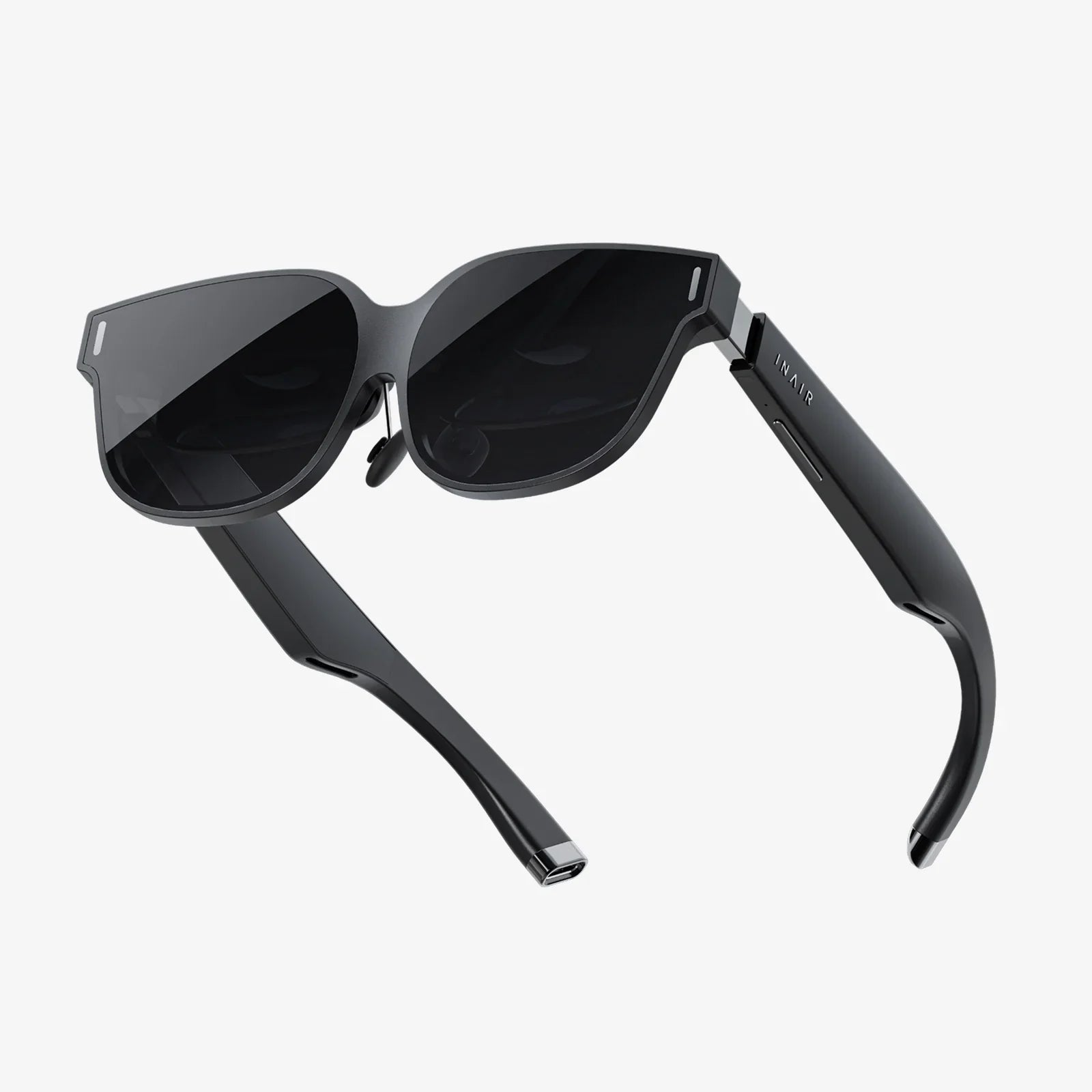
Imagine a silent, invisible war being waged not in distant lands, but on the wrists, ears, and clothing of millions. This is the wearable competition, a relentless global struggle for dominance in one of technology's most personal and promising frontiers. It’s a battle fought not with bullets, but with sensors, algorithms, and sleek designs, where the ultimate prize is unprecedented access to the most valuable resource of the 21st century: you. Your data, your attention, your health, and your daily habits are the contested territories in this high-stakes conflict, making the outcome of this competition a fundamental force shaping our future.
The Genesis of a Revolution: From Niche to Necessity
The roots of the modern wearable competition lie in a convergence of technological miniaturization, ubiquitous connectivity, and a societal shift towards quantified self-awareness. Early devices were simple pedometers or heart rate monitors, often clunky and with limited functionality. They existed in isolated product categories, barely interacting with one another. The true spark that ignited the current competitive fire was the successful mainstreaming of a single device category, which demonstrated that consumers were not only willing but eager to integrate technology intimately into their daily lives. This proved the market's existence and its immense potential, drawing in a flood of competitors, from tech giants to agile startups, all vying for a piece of this lucrative new pie.
The Battlefields of Innovation: Where the Competition Rages
The wearable competition is not a single fight but a multi-front war. Each front represents a different consumer need and a different technological challenge.
The Wristfront: Smartwatches and Fitness Trackers
This is the most visible and crowded arena. Here, the competition revolves around a delicate balance. Devices must offer comprehensive health monitoring—tracking heart rate, blood oxygen levels, sleep patterns, and even electrocardiograms—while also serving as seamless extensions of the user's smartphone, handling notifications, calls, and apps. Battery life is a constant tug-of-war; more features often mean more power consumption. The design is equally critical, as the device must transition effortlessly from the gym to the boardroom. This battlefield is defined by a race for more accurate sensors, more insightful health algorithms, and a more intuitive user experience.
The Audio Arena: Smart Earbuds
What began as a cord-cutting revolution for audio has evolved into a fierce competition for your ears. Modern smart earbuds are packed with technology: active noise cancellation (ANC) for immersive sound, transparency modes for environmental awareness, and integrated voice assistants. The competition here is about audio fidelity, fit, and smart features like real-time language translation or biometric monitoring. They represent a more discreet form of wearable technology, offering a constant, personal auditory stream of information and entertainment.
The Next Frontier: Smart Fabrics and Hearables
Beyond the wrist and ears lies the next wave of competition. Smart fabrics, which integrate conductive threads and sensors directly into clothing, promise to monitor biomechanics during exercise or vital signs continuously and unobtrusively. Other form factors, like smart rings, offer a minimalist alternative for sleep and activity tracking, focusing on discretion and extended battery life. This frontier is about making the technology disappear entirely, weaving it into the very fabric of our existence.
The Gladiators: Titans, Specialists, and New Challengers
The competitors in this arena are diverse, each bringing a different strategy and set of advantages to the fight.
The Ecosystem Titans
These are the tech behemoths with vast, established ecosystems of devices, operating systems, and services. Their strength lies in integration. A wearable from one of these titans works seamlessly with its smartphones, laptops, and smart home devices. This creates a powerful lock-in effect; once a consumer is invested in an ecosystem, switching wearable platforms becomes significantly more difficult. Their competition is as much about defending and expanding their ecosystem as it is about the hardware itself.
The Focused Specialists
In opposition to the generalist titans are companies that focus intensely on specific user segments. These specialists often dominate categories like advanced fitness tracking, outdoor adventure, or professional health monitoring. They compete not on ecosystem, but on superior accuracy, durability, and features tailored to a niche audience. Their devices are often the choice of athletes, researchers, and professionals for whom data precision and specific functionality are non-negotiable.
The Disruptive Startups
The wearable space is fertile ground for innovation from small, agile companies. Unburdened by legacy systems or the need to maintain a massive ecosystem, these startups often introduce groundbreaking ideas. They might pioneer a new form factor, a novel sensor, or a unique health application. While many are acquired or fade away, the most successful ones can redefine entire segments of the competition, forcing the larger players to adapt and follow.
The Weapons of War: Technology as a Strategic Advantage
At its core, the wearable competition is driven by a breakneck pace of technological innovation. The key weapons in this arsenal include:
- Sensor Technology: The quest for smaller, more power-efficient, and more accurate sensors is endless. Competitors are developing sensors capable of monitoring glucose levels non-invasively, measuring blood pressure, detecting atrial fibrillation, and analyzing sweat composition.
- Artificial Intelligence and Machine Learning: Raw sensor data is useless without interpretation. AI algorithms are the brains of the operation, transforming heart rate variability into stress scores, sleep data into quality assessments, and activity patterns into personalized health insights. The company with the best algorithms gains a significant edge.
- Battery and Power Management: Perhaps the most practical constraint. Breakthroughs in battery chemistry, low-power displays, and ultra-efficient processors are crucial for extending device usage between charges, a major factor in user satisfaction.
- Software and Services: The hardware is merely a vessel for the software experience. Intuitive interfaces, robust companion applications, and valuable data presentation are what create loyal users. Subscription models for advanced health analytics are also becoming a key battleground for recurring revenue.
The Spoils of Victory: Data, Dollars, and Dominance
The stakes in the wearable competition are astronomically high, and the rewards for the victors are multifaceted.
The most coveted prize is data. Wearables provide a continuous, real-time stream of biometric and behavioral data that is incredibly valuable. This data can be used to refine health algorithms, train AI models, and even inform broader healthcare research. While privacy remains a paramount concern and a key differentiator, the insights gleaned from aggregated, anonymized data are a powerful asset.
Financially, the market is colossal. It encompasses not just the sale of hardware but also the potential for lucrative subscription services that offer deeper analysis, personalized coaching, and premium health insights. Furthermore, a successful wearable acts as a gateway drug, pulling users deeper into a company's ecosystem and driving sales of other complementary devices and services.
Ultimately, the winner gains a position of incredible influence. The company that dominates the wearable space will hold a central role in the future of preventative healthcare, personal wellness, and human-machine interaction. It will set the standards for how we monitor and manage our own bodies.
The Ethical Minefield: Privacy, Security, and Society
Such intense competition over personal data does not come without profound ethical questions. The wearable competition is fraught with challenges that regulators and society are only beginning to grapple with.
Data privacy is the most significant concern. Who owns the data generated by your body? How is it being used? Is it being sold to third parties, such as insurers or employers? The potential for discrimination based on health data is a terrifying prospect. Competitors are now forced to compete on privacy and security, implementing robust encryption, transparent data policies, and on-device processing to assure users their most intimate information is safe.
There is also the risk of medical over-diagnosis or heightened anxiety. When individuals have constant access to health metrics, every blip can cause stress, a phenomenon sometimes called cyberchondria. The responsibility falls on companies to present data responsibly, with context and guidance, rather than just raw, alarming numbers.
The Future Front: Where the Competition is Headed
The wearable competition is far from over; it is merely evolving. The next phase will be defined by several key trends.
We will see a greater push for medical-grade accuracy, with devices seeking regulatory approval for clinical use. This will blur the line between consumer wellness and professional healthcare, opening new markets and responsibilities.
Integration with Artificial Intelligence will become deeper and more predictive. Instead of just telling you what happened, wearables will aim to predict what will happen—warning of potential health events before they occur and offering preemptive advice.
Finally, the concept of the device itself will fade. The ultimate goal is ambient computing, where technology is woven so seamlessly into our environment and attire that it becomes invisible, interacting with us naturally and continuously without the need for a separate screen on our wrist.
This invisible tech war on your wrist is more than a battle for market share; it's a race to define the next chapter of human-technology symbiosis. The outcome will determine not just which company wins your click, but who gets to write the rules for how we understand and optimize our very humanity. The data is being collected, the algorithms are learning, and the next move in this high-stakes game is already being calculated.
Share:
Smart Device Tool: The Unseen Architect of Your Modern Life
Smart Device Tool: The Unseen Architect of Your Modern Life