


- by wangfred
Wearable Computing Market: A Deep Dive into the Future on Your Wrist
- by wangfred
Imagine a world where your watch not only tells time but also warns you of an irregular heartbeat, your glasses overlay digital schematics onto a broken engine, and your clothing analyzes your form to perfect your golf swing. This is no longer the realm of speculative fiction; it is the vibrant, rapidly evolving reality of the wearable computing market. What began as clunky pedometers and primitive smartwatches has blossomed into one of the most dynamic and personal technology sectors on the planet, seamlessly integrating digital intelligence into the very fabric of our daily lives. The trajectory of this market is not just a story of technological triumph but a profound shift in human-computer interaction, promising a future where technology is not just with us but on us, working in the background to enhance, inform, and protect.
The journey of the wearable computing market is a classic tale of exponential growth. For decades, wearables were a concept confined to research labs and the pages of cyberpunk novels. The initial forays were often isolated, single-function devices like calculator watches or early Bluetooth headsets. The true inflection point arrived in the early 2010s, catalyzed by the convergence of several critical technologies: miniaturized sensors, low-power processors, ubiquitous wireless connectivity, and advanced battery chemistry. This perfect storm allowed companies to finally package meaningful computational power into a form factor that was both practical and, increasingly, desirable.
The market's expansion has been nothing short of spectacular. Valued at just a few billion dollars a decade ago, it has surged to become a global behemoth, with projections consistently pointing toward continued aggressive growth. This growth is fueled by a powerful cycle of innovation and adoption. As consumers become more health-conscious and accustomed to constant connectivity, demand for devices that cater to these needs skyrockets. This demand, in turn, drives further investment in research and development, leading to more sophisticated, accurate, and affordable devices, which then attract an even broader user base. The market has successfully shed its image as a playground for tech enthusiasts and has firmly planted itself in the mainstream consumer consciousness.
The term "wearable computing" encompasses a diverse array of devices, each serving distinct purposes and catering to different user needs. The market is far from monolithic, and its strength lies in this very diversity.
This category remains the undisputed king of the wearable computing market, accounting for the largest share of both revenue and unit shipments. It is itself a bifurcated segment:
Wireless earbuds and headphones have evolved into intelligent hearables. Beyond delivering high-quality audio, they now integrate voice assistants for touch-free control, feature active noise cancellation (ANC) for immersive experiences, and are increasingly incorporating health features like transparency modes and, in some prototypes, core body temperature monitoring. They represent a less obtrusive form of wearable computing that is always within reach, or rather, earshot.
This emerging segment weaves technology directly into textiles. Smart shirts with embedded ECG sensors can provide continuous cardiac monitoring for athletes. Smart shoes can analyze gait and running form. Bio-sensing patches, often disposable and medical-grade, can monitor glucose levels for diabetics or track temperature and other vital signs in clinical trials. This segment blurs the line between consumer electronics and medical devices, offering unparalleled, continuous data collection.
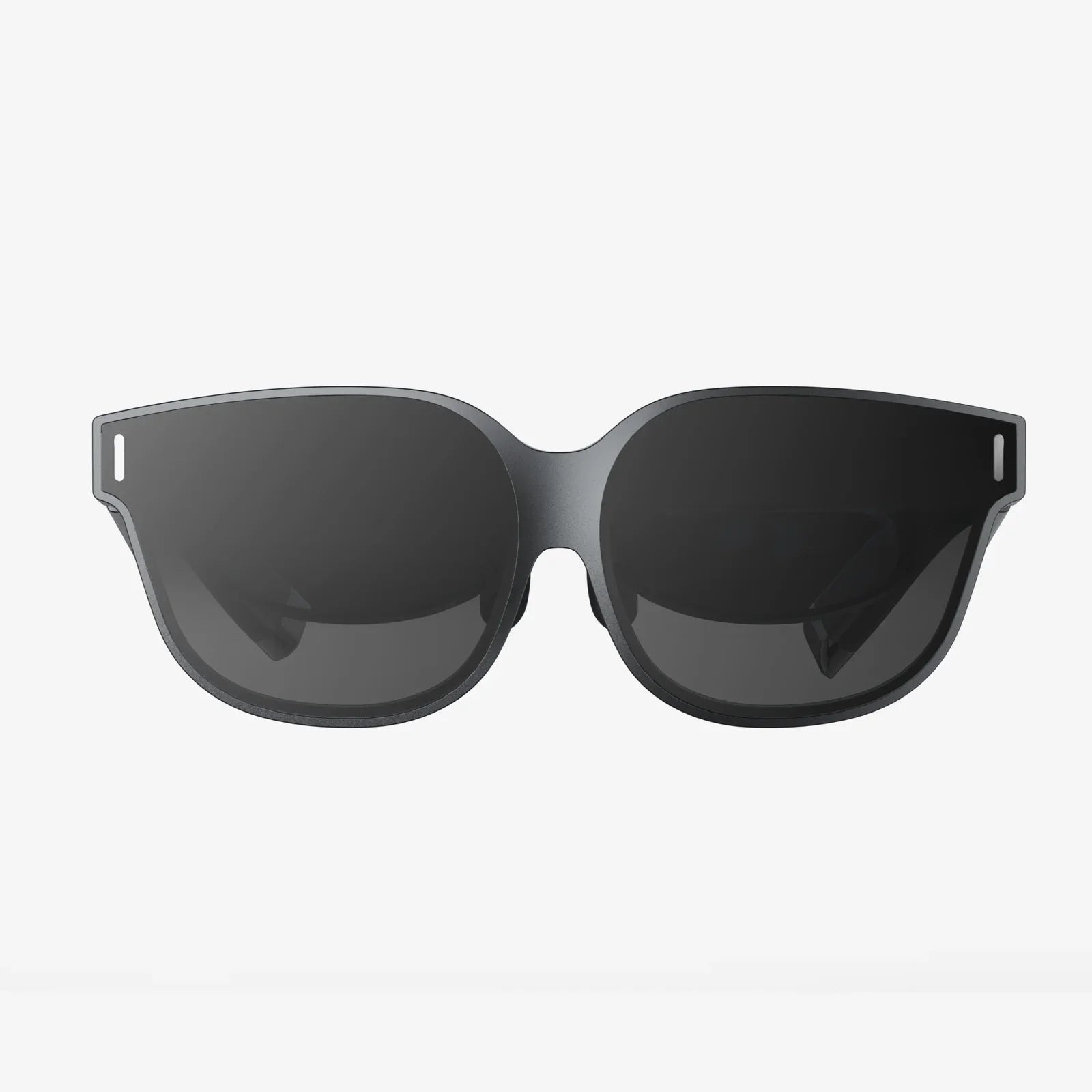
While currently a smaller segment by volume, AR and VR wearables represent the cutting edge of the market's ambition. They aim to replace other computing interfaces entirely, creating immersive digital worlds (VR) or overlaying digital information onto the physical environment (AR). Their applications range from immersive gaming and virtual tourism to complex enterprise uses like remote assistance for field technicians, surgical training for medical students, and design prototyping for engineers.
Several powerful, interconnected forces are propelling the wearable computing market forward at a breakneck pace.
Perhaps the single most significant driver is the global focus on health and wellness. Consumers are more proactive than ever about managing their well-being. Wearables provide the data to empower this movement, offering insights that were previously only available in a clinical setting. The ability to track heart rate variability, sleep stages, and blood oxygen levels provides users with a unprecedented window into their body's functioning. This has profound implications for preventive healthcare, allowing individuals to identify potential issues early and make informed lifestyle changes.
The relentless pace of Moore's Law and advancements in micro-electromechanical systems (MEMS) have made sensors smaller, cheaper, and more power-efficient. This allows manufacturers to pack an incredible array of capabilities—from accelerometers and gyroscopes to bioimpedance sensors and PPG optical heart rate sensors—into a device that fits comfortably on the wrist. Improvements in battery technology and power management have also been crucial, extending usage time from a single day to, in some cases, multiple weeks.
The global rollout of high-speed, low-latency cellular networks, including 5G, is a major enabler, particularly for advanced AR glasses and always-connected smartwatches. It allows these devices to offload intensive processing to the cloud, receive real-time data streams, and maintain seamless communication without being tethered to a smartphone. Bluetooth and Wi-Fi remain foundational, but cellular connectivity unlocks true independence.
While consumer applications grab headlines, the enterprise sector is a massive and growing market for wearables. Companies are deploying smart glasses for hands-free order picking in warehouses, using AR headsets for remote expert guidance to troubleshoot problems on a factory floor, and equipping employees with smartwatches for discreet communication and task management. The value proposition in enterprise—increased efficiency, reduced errors, and enhanced worker safety—is incredibly strong and is driving significant investment.
Despite its bright future, the path forward for the wearable computing market is not without significant hurdles.
Wearables collect the most intimate data possible: continuous, real-time information about our bodies, locations, and daily habits. This creates a massive target for cyberattacks and raises profound questions about data ownership and usage. Who owns this biometric data? How is it being used by the companies that collect it? Could it be sold to health insurers or employers? High-profile data breaches have made consumers increasingly wary. For the market to sustain trust, manufacturers must implement ironclad security protocols, ensure complete transparency in their data policies, and give users full control over their information.
Despite improvements, battery technology remains the Achilles' heel of wearable design. Consumers desire more features, brighter displays, and always-on connectivity, all of which drain power rapidly. The constant need to recharge devices creates friction and can lead to users abandoning them. Breakthroughs in solid-state batteries, ultra-low-power displays, and perhaps even kinetic or body heat harvesting are needed to overcome this fundamental limitation.
The wrist-worn segment, in particular, is becoming fiercely competitive. With several major players dominating, it is increasingly difficult for new entrants to gain a foothold. This has led to a flood of similar devices with incremental improvements, making differentiation a key challenge. Companies must innovate not just in hardware but in software, services, and unique ecosystem integrations to stand out.
As wearables incorporate more advanced health sensors, they are increasingly bumping up against medical device regulations. Getting approval for a feature that claims to detect atrial fibrillation, for example, is a long, expensive, and rigorous process. Furthermore, the industry must contend with questions of clinical validation. Is the data collected by a consumer-grade optical heart rate sensor accurate enough for medical decision-making? Building trust with both consumers and the medical community requires rigorous testing and clear communication about the capabilities and limitations of these devices.
The next decade will see the wearable computing market evolve in fascinating and transformative ways.
The wearable computing market is on an unstoppable march, weaving digital intelligence into the very tapestry of human existence. It is a market driven by a fundamental human desire to understand ourselves better, to connect more deeply, and to augment our capabilities. From its humble beginnings on the wrist to its ambitious future in our clothes, ears, and even our bodies, this technological revolution is personal, powerful, and just getting started. The data it generates is becoming the new language of health, the interface it provides is reshaping how we interact with the digital world, and its potential to improve lives is limited only by our imagination and our ability to navigate the ethical challenges it presents. The next chapter is being written not on a page, but on our skin.