The numbers are staggering, the growth is relentless, and the device on your wrist is now a central battleground for the world's largest tech giants. The fight for wearable device market share is more than just a sales competition; it's a high-stakes war over the most personal real estate in technology—your body. This deep dive goes beyond the quarterly reports to unravel the complex tapestry of strategies, consumer trends, and technological innovations that are shaping who leads, who follows, and who gets left behind in the relentless race for your wrist, your ear, and your data.
The Contenders: Mapping the Competitive Landscape
The global wearable device market is not a monolith but a collection of distinct segments, each with its own leaders and dynamics. The overall market share is a composite picture, primarily dominated by a handful of behemoths, with a long tail of smaller, specialized players nipping at their heels.
The undisputed king of the hill, in terms of sheer volume shipped, has consistently been a company known for its minimalist, fitness-first approach. They pioneered the basic activity tracker, creating an entire category and capturing the hearts of casual users seeking simple metrics like step counts and sleep patterns. Their strategy of affordability, long battery life, and a straightforward user experience allowed them to build an early and commanding lead in unit shipments.
However, unit share does not always equate to revenue or profit share. This is where the other titans enter the fray. A major North American tech giant, with its deeply integrated ecosystem of smartphones, computers, and services, has carved out a dominant position in the premium smartwatch segment. Their devices are not merely fitness tools; they are extensions of the iPhone, focusing on seamless connectivity, a vast app ecosystem, and increasingly, sophisticated health monitoring features like ECG and blood oxygen saturation. Their strategy is one of premium integration, locking users into a high-value ecosystem where the wearable acts as a hub for their digital life.
Not to be outdone, a global technology player with a strong presence in mobile operating systems has pursued a different, yet equally effective, strategy. By licensing its wearable operating system to a wide array of third-party hardware manufacturers, it has created a broad and diverse army of devices. This approach mirrors its successful mobile strategy, creating a vast addressable market with options spanning from budget-friendly to high-end luxury. Its market share is therefore a collective effort, representing the strength of its platform and partnerships rather than a single device.
Beyond these top three, a vibrant ecosystem of brands competes for niche markets. Chinese manufacturers offer aggressively priced alternatives with surprising feature sets, capturing significant share in emerging markets. Traditional watchmakers have also entered the arena, partnering with tech firms to create hybrid devices that blend classic aesthetics with smart functionality, targeting a style-conscious demographic.
The Great Schism: Smartwatches vs. Basic Wearables
A critical factor in understanding market share movement is the fundamental shift in consumer preference from basic wearables to advanced smartwatches. In the early days of the market, simple, low-cost fitness bands dominated shipments. They were the gateway drug into the world of quantified self.
Over time, as technology advanced and consumer expectations evolved, the market began to mature and segment. Users who started with a basic band began to crave more: GPS for run tracking without a phone, music storage for wireless listening, NFC for contactless payments, and more robust health sensors. The industry responded, and the line between a "smart band" and a "smartwatch" began to blur.
This had a seismic impact on market share. The company that once led with basic bands saw its dominance challenged as the market shifted toward smarter, more capable, and more expensive devices—a segment where the ecosystem players held a formidable advantage. The market share battle is no longer just about who sells the most devices; it's about who controls the high-growth, high-value segment of the market. While basic wearables still hold appeal for first-time buyers and those on a budget, the innovation, marketing dollars, and consumer excitement are overwhelmingly focused on advanced smartwatches, making this the primary arena for competition.
Beyond the Wrist: The Expanding Definition of Wearables
While wrist-worn devices capture the most attention and the largest slice of the market share pie, the wearable universe is expanding. To view the market solely through the lens of watches and bands is to miss significant growth areas and future battlegrounds.
Hearables, primarily wireless earbuds and headphones, have become a massive category in their own right. These devices have evolved from simple audio peripherals into intelligent wearables packed with sensors. They offer active noise cancellation, instant translation, biometric monitoring, and seamless voice assistant integration. The major players in the smartwatch war are also the leaders in hearables, as these devices are increasingly sold as complementary pairs, strengthening ecosystem lock-in. The market share for hearables is growing rapidly, adding another layer of complexity to the overall wearable landscape.
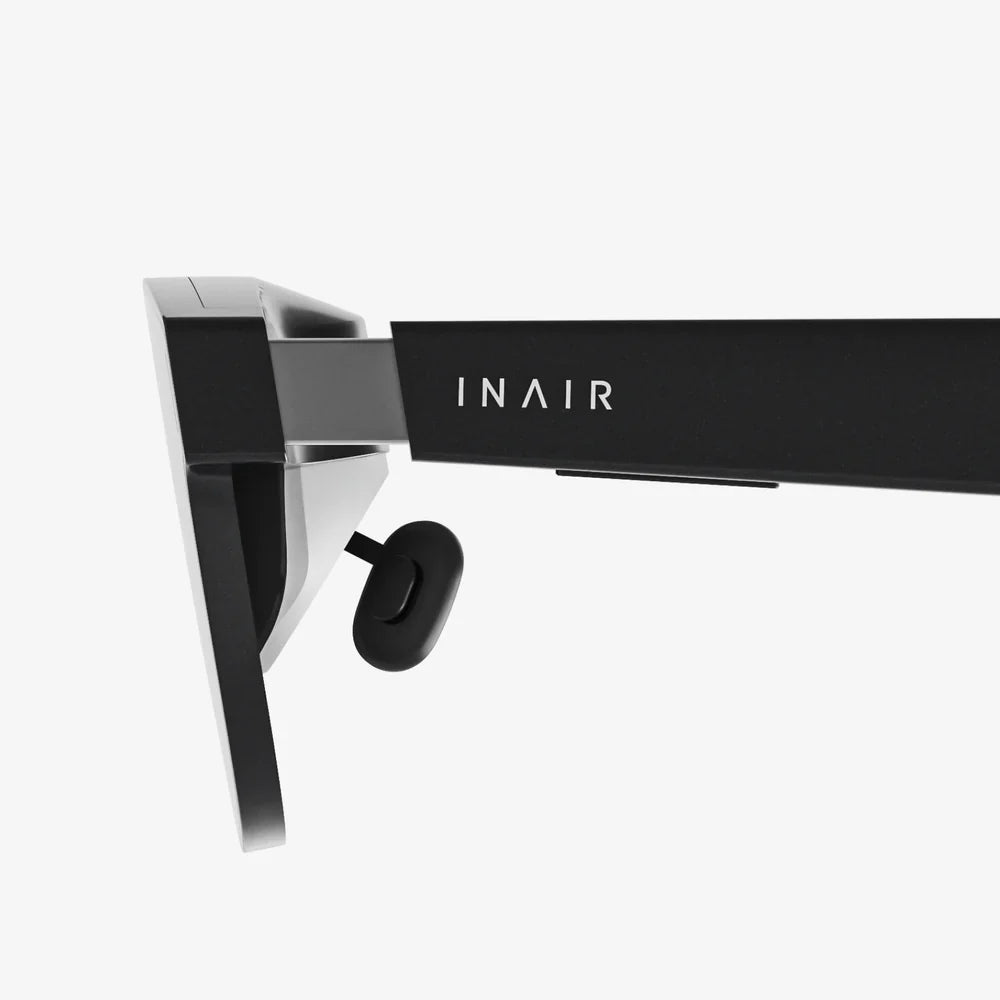
Looking further ahead, we see the emergence of even more specialized form factors. Smart glasses, while still in their nascent consumer phase, are being heavily invested in by tech giants betting on augmented reality as the next computing platform. Continuous glucose monitors (CGMs) and other medical-grade sensors represent a fusion of consumer wearables and clinical healthcare, creating a new and highly regulated sub-market. These specialized devices, though smaller in volume today, represent the cutting edge of where wearable technology is headed and will be crucial in determining the market leaders of tomorrow.
The New Gold Rush: Health and Medical Data
The ultimate driver of future market share may not be messaging or music, but medicine. The most significant trend in advanced wearables is the relentless push into healthcare. What began as heart rate monitoring has rapidly advanced to taking electrocardiograms, measuring blood oxygen levels, detecting atrial fibrillation, and even estimating body temperature.
This shift is strategic. Health features provide a powerful, emotional justification for the device's existence and its price tag. While a consumer might hesitate to spend hundreds of dollars on a device for notifications, they may be far more inclined to invest in something that could potentially save their life by detecting a serious health anomaly. This value proposition is incredibly strong.
The race is on to secure regulatory approvals from bodies like the FDA and CE. Obtaining such clearance is a significant moat; it validates the technology's accuracy, builds trust with consumers and the medical community, and distances a product from cheaper alternatives that make unverified health claims. The company that can successfully transition its wearable from a general wellness device to a certified health tool will gain a monumental advantage. This is not just about adding features; it's about building a platform for remote patient monitoring, preventive health, and personalized insights, potentially opening up revenue streams from the massive healthcare industry itself.
Regional Dynamics: A Global Story of Contrasts
The global wearable device market share story is not uniform; it varies dramatically by region, reflecting local preferences, economic factors, and competitive landscapes.
In North America, the market is characterized by a strong preference for premium smartwatches, with the ecosystem player holding a dominant position. Brand loyalty and the desire for a seamless experience with other popular devices drive sales.
The Asia-Pacific region, particularly China, is the largest and most competitive market in the world. It is a hotly contested space where the global top three face fierce competition from local brands. These domestic players offer feature-rich devices at highly competitive prices, and they have a deep understanding of local consumer tastes and apps, allowing them to command significant market share within the region.
Europe presents a mixed picture, with a blend of premium and budget-conscious consumers. Emerging markets in Latin America, the Middle East, and Africa are currently driven by growth in lower-cost basic wearables and affordable smartwatches, as they serve as the entry point for millions of new users. However, as these markets mature, they are expected to follow the trajectory of more developed regions, shifting towards more advanced devices.
Future Frontiers: What's Next in the Battle for Your Body?
The strategies for capturing wearable device market share are evolving. The next phase of competition will be fought on several new fronts.
Subscription Services: The hardware itself is becoming a conduit for paid services. Advanced fitness coaching, detailed sleep analysis, and personalized health insights are being packaged into monthly subscriptions. This creates a recurring revenue model that can be more valuable than a one-time device sale and increases customer stickiness.
Sensor Fusion and AI: The future is not about adding more sensors, but about making better sense of the data they collect. The winner will be the platform that best uses artificial intelligence and machine learning to synthesize data from the accelerometer, heart rate sensor, gyroscope, microphone, and more to provide truly contextual and actionable insights. It's about moving from data collection to intelligent interpretation.
Form Factor Innovation: The wrist is saturated. The next growth wave will come from new form factors: smart rings for discreet, continuous monitoring; smart clothing with embedded sensors; and truly compelling augmented reality glasses. The company that successfully commercializes the next major form factor will unlock a new frontier of market share.
Sustainability: As consumers become more environmentally conscious, the entire product lifecycle—from manufacturing and materials to repairability and recycling—will become a competitive differentiator. A strong sustainability story may soon influence purchasing decisions as much as processor speed or battery life.
The relentless pursuit of wearable device market share is far more than a corporate scorecard; it's a real-time map of how the biggest companies on earth are competing to become the central hub for your personal health, fitness, communication, and entertainment. The device that wins isn't just the one with the best specs; it's the one that wins your trust, integrates into your life, and proves its value with every beat of your heart. The battle for your wrist is just the beginning, and the next move will be closer than you think.