


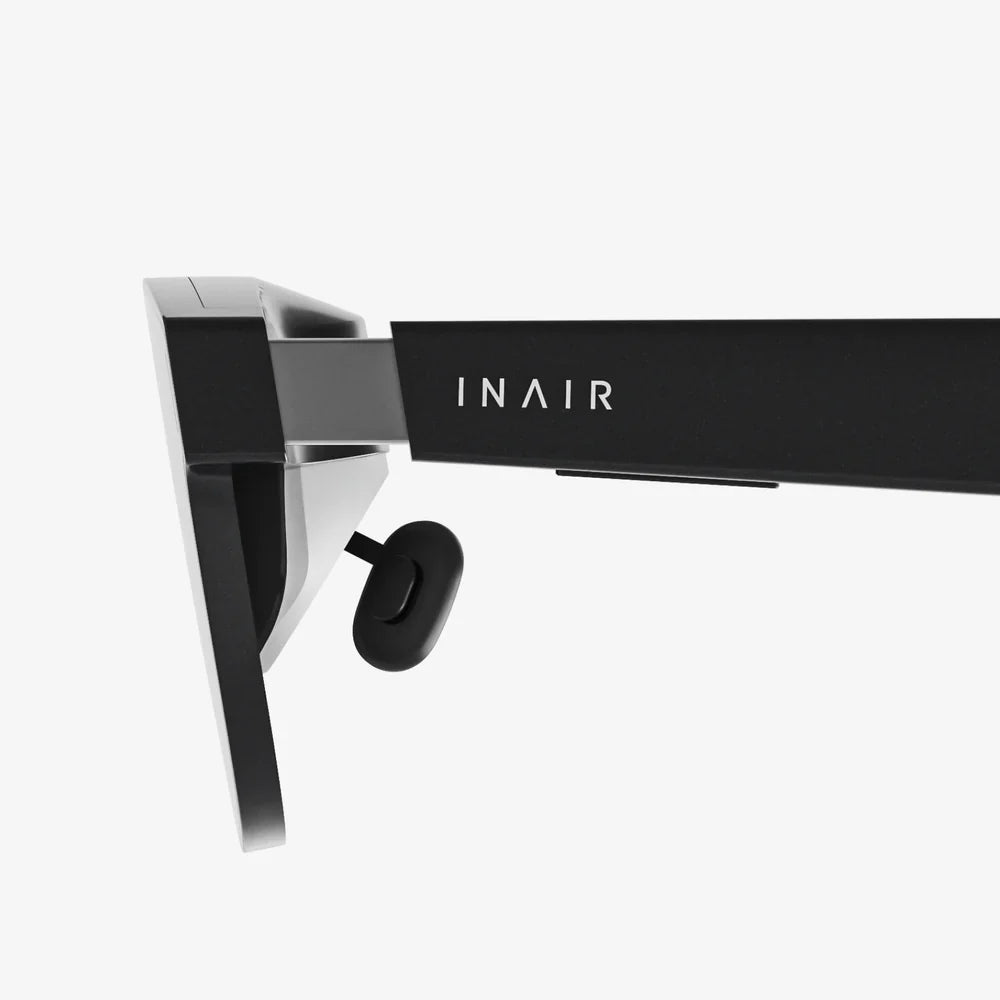
Imagine a world where a simple pair of glasses can read the menu in a dimly lit restaurant, identify the face of a friend approaching from across the street, and warn you of a step you might have missed. For millions living with low vision, this is no longer a futuristic fantasy but an emerging reality, powered by a new generation of intelligent wearable devices.
Understanding the Spectrum of Low Vision
Low vision is not a singular condition but a vast spectrum of visual impairments that cannot be fully corrected with standard eyeglasses, contact lenses, medication, or surgery. It encompasses a range of challenges, including significantly reduced visual acuity (20/70 or worse), substantial visual field loss (like tunnel vision or blind spots), severe light sensitivity, and significant contrast loss. For those affected, daily tasks that sighted individuals take for granted—navigating an unfamiliar street, reading a product label, distinguishing currency, or recognizing faces—become formidable hurdles that can lead to frustration, social isolation, and a loss of independence. It is this profound impact on daily life that wearable technology seeks to address, not by restoring sight, but by augmenting the user's existing vision and other senses to bridge the information gap.
Beyond Magnification: The Core Technologies Powering Wearables
The earliest assistive devices were primarily optical, relying on magnifiers and specialized lenses. Today's wearables are sophisticated computers worn on the body, integrating a suite of powerful technologies.
Advanced Camera Systems
High-resolution cameras are the eyes of these devices. They continuously capture the user's environment, feeding this visual data to an onboard computer for processing. Some systems utilize stereoscopic cameras to add depth perception, which is crucial for safe navigation.
Onboard Artificial Intelligence (AI) and Computer Vision
This is the brain of the operation. AI algorithms process the camera feed in real-time to identify, classify, and interpret objects, text, people, and environments. Computer vision allows the device to perform tasks like optical character recognition (OCR) to read text aloud, detect obstacles and changes in elevation, and even recognize specific products or faces that the user has pre-programmed.
Augmented Reality (AR) Displays
Instead of replacing the user's view with a virtual world (Virtual Reality), AR overlays digital information onto the real world. For a user with low vision, this could mean highlighting the edge of a staircase with a bright, high-contrast line, superimposing large, clear text over a street sign, or drawing a glowing circle around a dropped set of keys on the floor. This digital overlay enhances the existing visual information, making it easier to interpret.
Auditory and Haptic Feedback
Recognizing that visual enhancement is not always sufficient, many devices incorporate alternative feedback mechanisms. Processed information can be conveyed through bone conduction headphones or traditional earpieces as spoken audio (e.g., reading a document aloud). Haptic feedback, through vibrations on the wrist or within the device itself, can provide discrete directional cues or alerts—a short buzz to indicate an obstacle on the left, for example.
Transforming Daily Life: Key Applications of Wearable Devices
The true measure of this technology lies in its practical application. Wearable devices are being designed to assist with the most common and challenging daily activities.
Navigation and Mobility
Safe and confident navigation is a primary concern. Wearables can detect and announce upcoming obstacles, from a low-hanging tree branch to a parked bicycle on the sidewalk. They can identify crosswalks and traffic signals, provide auditory turn-by-turn directions synchronized with haptic cues, and even help users locate a specific seat in a theater or their gate in a bustling airport by recognizing visual markers.
Reading and Text Recognition
This is one of the most transformative applications. A user can simply look at a document, a restaurant menu, a screen, or a product label, and the device will instantly recognize the text and read it aloud in a clear, synthetic voice. The speed and accuracy of this OCR technology have improved dramatically, even handling curved text on cans and bottles, and distinguishing between multiple paragraphs on a page.
Object and Facial Recognition
Beyond reading, these devices can identify everyday objects. This helps users locate items like their phone or a specific can of soup in the pantry. Perhaps most powerfully, facial recognition software can alert a user to the presence of a known contact, stating their name and approximate distance as they approach, thereby reducing social anxiety and enabling more fluid interactions.
Enhanced Contrast and Illumination
For those with specific conditions like macular degeneration, where contrast sensitivity is a major issue, wearables can manipulate the visual feed in real-time. They can apply high-contrast filters, edge enhancement, and zoom functions to make curbs, steps, and objects stand out sharply against their background. Some devices also incorporate their own light source to illuminate dark areas within the user's immediate field of view.
Navigating the Challenges: Limitations and Considerations
Despite the incredible promise, the field of wearable low vision aids is not without its challenges. Widespread adoption hinges on addressing several key issues.
Cost and Accessibility
As with any nascent technology, advanced wearable devices often carry a high price tag, placing them out of reach for many individuals. Navigating insurance coverage and government assistance programs for these devices can be a complex and uncertain process, creating a significant barrier to access.
Design and Discretion
Early prototypes were often bulky, obtrusive, and drew unwanted attention. Modern design philosophy emphasizes a more discreet, glasses-like form factor that users feel comfortable wearing in public. Balancing battery life, processing power, and heat generation within a small, lightweight frame remains an engineering challenge.
The Learning Curve
Mastering these devices requires time and training. Users, particularly older adults who may be less familiar with technology, must learn to interpret auditory and haptic cues, navigate device menus, and integrate the constant stream of augmented information into their daily routines. Comprehensive training and ongoing technical support are critical components of successful adoption.
Battery Life and Processing Power
Real-time video processing and AI analysis are computationally intensive tasks that drain batteries quickly. Users must often plan their day around the device's battery life, which can be a significant limitation. The constant trade-off is between performance, form factor, and endurance.
The Future is Wearable: Emerging Trends and Possibilities
The technology is evolving at a breathtaking pace. The next generation of wearables promises even deeper integration and more seamless assistance.
Increased Connectivity and the Smart Home
Future devices will act as a central hub, seamlessly connecting with other smart devices in the user's ecosystem. Your wearable could guide you to your smart oven to let you know the timer has gone off, identify the clothes in your smart closet, or receive navigation data from your smartphone to provide even more precise indoor guidance.
Predictive Assistance and Proactive Alerts
With more advanced AI, devices will move from reactive to predictive. By learning a user's habits and routines, a device could proactively offer assistance. It might say, "You usually take your medication at 10 AM, and the bottle is on the kitchen counter," or "You are approaching your bus stop, which is the next one."
Biometric and Health Monitoring
Future iterations may incorporate health sensors to monitor vital signs like heart rate and blood oxygen levels. For an aging population with comorbid health conditions, this could add a vital layer of safety and health management directly into their daily wearable.
Greater Personalization and Adaptive Interfaces
AI will allow devices to learn and adapt to each user's specific type of vision loss, preferences, and frequently encountered environments. The interface and type of feedback will become highly personalized, offering a truly tailored experience that evolves with the user over time.
The quiet revolution in wearable technology is fundamentally reshaping what it means to live with low vision, transforming assistive tools from simple aids into intelligent partners that empower users to navigate their world with renewed confidence and autonomy. This is not just about seeing more clearly; it's about living more fully.
Share:
How to Hook Up a VR Headset to a Computer: The Ultimate Setup Guide
How to Hook Up a VR Headset to a Computer: The Ultimate Setup Guide