


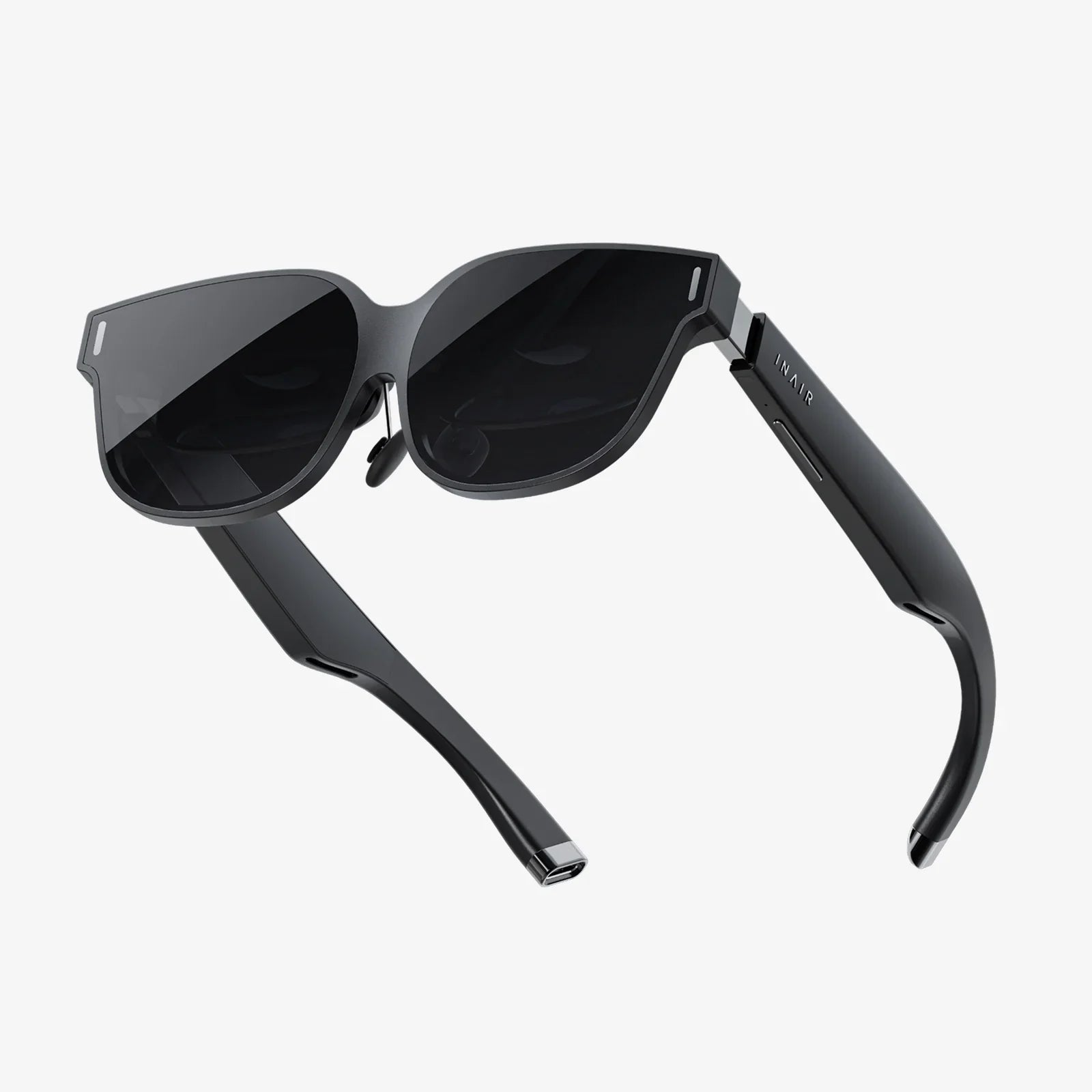
Imagine a world where the faded, blurred, or obscured details of your surroundings snap into sharp, clear focus with the simple gesture of looking around. For millions of individuals living with low vision, this is no longer a distant fantasy but an emerging reality, thanks to the rapid and revolutionary advancements in wearable low vision technology. These sophisticated devices are not just tools; they are gateways to regained independence, empowering users to navigate their environments, connect with loved ones, and engage with the world in ways that were once deemed impossible. This isn't about curing blindness; it's about harnessing the power of technology to amplify remaining sight and unlock human potential, heralding a profound shift in how we approach visual impairment.
Beyond Magnification: Redefining Assistance for the Visually Impaired
For decades, the primary tools for low vision support were optical devices like magnifying glasses and telescopic lenses. While helpful, these aids are often limited, cumbersome, and socially stigmatizing. They require users to constantly adjust and reposition the device, focusing on a tiny field of view that isolates details from their broader context. Wearable low vision technology shatters these limitations by moving beyond simple magnification. These devices are built on a foundation of digital sensors, artificial intelligence, and augmented reality, working in concert to process the visual world and present an enhanced version directly to the user's eyes. This represents a paradigm shift from passive optical assistance to active digital interpretation, creating a personalized and dynamic visual experience.
The core philosophy is assistive, not restorative. The technology does not claim to heal damaged retinas or optic nerves. Instead, it acts as a sophisticated visual prosthesis, leveraging the user's existing residual sight. By intelligently manipulating contrast, brightness, color, and scale, these wearables maximize the utility of every bit of visual information the brain can still process. This approach acknowledges that low vision is a spectrum, and the technology's adaptability allows for highly customized solutions tailored to specific conditions like macular degeneration, retinitis pigmentosa, diabetic retinopathy, and glaucoma.
The Technological Core: How These Wearables See and Think
At the heart of any wearable low vision device is a complex interplay of hardware and software. Understanding this core technology is key to appreciating its capabilities.
Sensors: The Digital Eyes
The journey of enhancement begins with high-resolution cameras, often stereoscopic, that capture the user's field of view in real-time. These cameras act as the device's eyes, continuously feeding a rich stream of visual data to an onboard processing unit. Advanced models may also incorporate depth sensors (like LiDAR or time-of-flight sensors) to construct a three-dimensional map of the environment, crucial for understanding spatial relationships and obstacles.
Processing: The Intelligent Brain
The raw video feed is then processed by a powerful mini-computer. This is where artificial intelligence and machine learning algorithms perform their magic. The processor runs complex object recognition software, identifying everything from text and faces to doorways, curbs, and household items. It can perform optical character recognition (OCR) instantaneously, converting printed text in books, menus, and on screens into digital data. This AI brain is what transforms a simple camera into a visual interpreter, capable of understanding the context and content of a scene.
Display: The Personalized View
The final, processed image is then projected or displayed onto screens positioned in front of the user's eyes. This is most commonly achieved through high-definition micro-OLED displays. Through clever optical engineering, this enhanced image is superimposed over the user's natural field of view, creating a seamless blend of the real world and digital augmentation. The user retains awareness of their environment while benefiting from the device's enhancements, which is critical for safety and spatial orientation.
A Spectrum of Features: From Reading to Navigation
The true power of this technology lies in its diverse and customizable feature set, each designed to tackle a specific challenge faced by individuals with low vision.
Text and Document Recognition
One of the most celebrated features is real-time text recognition. A user can simply look at a restaurant menu, a prescription bottle, or a street sign, and the device will instantly highlight the text, magnify it to a comfortable size, and even read it aloud through bone-conduction headphones. This feature demolishes one of the most significant daily barriers to independence.
Facial Recognition and Scene Description
Social interaction can be challenging when you cannot clearly see faces or expressions. Advanced wearables can identify and announce the names of saved contacts as they approach, describe their general expression (e.g., "smiling"), and even provide cues about their attire. Furthermore, AI can describe entire scenes—"a crowded living room with a brown sofa and a large window," or "a kitchen counter with keys next to a red mug."
Enhanced Contrast and Edge Detection
For those with conditions that cause a loss of contrast sensitivity, the world can appear as a dim, foggy wash of similar colors. Wearables can dramatically increase contrast, making a white curb stand out sharply against a gray sidewalk or defining the edge of a dark stair step. This feature is invaluable for safe mobility indoors and out.
Distance Viewing and Zoom
Unlike a handheld magnifier, a wearable device allows for seamless switching between near and far vision. With a voice command or a subtle gesture, a user can digitally zoom in on a bus number approaching from a distance or a speaker at the front of a hall, all while keeping their hands free.
Navigation and Obstacle Avoidance
Integrating with GPS and its own spatial mapping, the technology can provide auditory or visual cues for navigation, identifying points of interest and providing turn-by-turn directions. More impressively, some systems can identify and highlight potential hazards like overhead obstacles, curbs, or items left on the floor, significantly increasing confidence when moving through unfamiliar spaces.
The Human Impact: Restoring Independence and Confidence
The technical specifications, while impressive, pale in comparison to the profound human impact of this technology. The benefits extend far beyond the practical and into the deeply psychological and social.
For many users, the greatest gift these devices offer is the return of autonomy. Simple acts of daily living—reading mail, cooking a meal, shopping for groceries, managing finances—are reclaimed. This reduces reliance on family, friends, and caregivers, which is a huge boost to self-esteem and mental well-being. The ability to recognize a friend's face across a room or read a bedtime story to a grandchild restores precious connections that low vision can erode.
Furthermore, the discreet nature of modern designs, which often resemble sleek sunglasses or contemporary eyewear, helps reduce the social stigma associated with traditional, bulky low vision aids. Users report feeling less self-conscious and more willing to engage in social activities and public spaces, combating the isolation that often accompanies visual impairment. The technology doesn't just change how they see the world; it changes how they participate in it.
Challenges and the Road Ahead
Despite the incredible promise, the field of wearable low vision technology is not without its challenges. The high cost of research, development, and sophisticated components currently places these devices out of reach for many, though insurance coverage and support programs are slowly expanding. Battery life, while improving, remains a consideration for all-day use. There is also a necessary period of adjustment and training; learning to interpret and trust the digitally enhanced view requires time and practice.
The future, however, is dazzlingly bright. We can anticipate devices becoming lighter, more powerful, and more affordable. AI will grow exponentially more sophisticated, offering predictive assistance and deeper contextual understanding. Integration with other Internet of Things (IoT) devices could allow a wearable to interface with smart home systems, public transportation networks, and even other users' devices to create a more accessible world. The line between assistive technology and mainstream augmented reality will continue to blur, driving innovation and adoption.
The silent revolution of wearable low vision technology is not just happening in research labs; it's happening on city streets, in homes, and in the lives of individuals who are discovering a new way to see. It represents a powerful convergence of compassion and innovation, proving that technology's highest purpose is to expand human capability and dignity. As these devices evolve, they promise to tear down the barriers of visual impairment, not by seeking a cure, but by offering a smarter, more adaptable, and profoundly empowering way to live.
Share:
VR Headset Market Share: The Intense Battle for a Piece of the Virtual Future
AV VR 3D Headset: The Ultimate Portal to Immersive Digital Realities