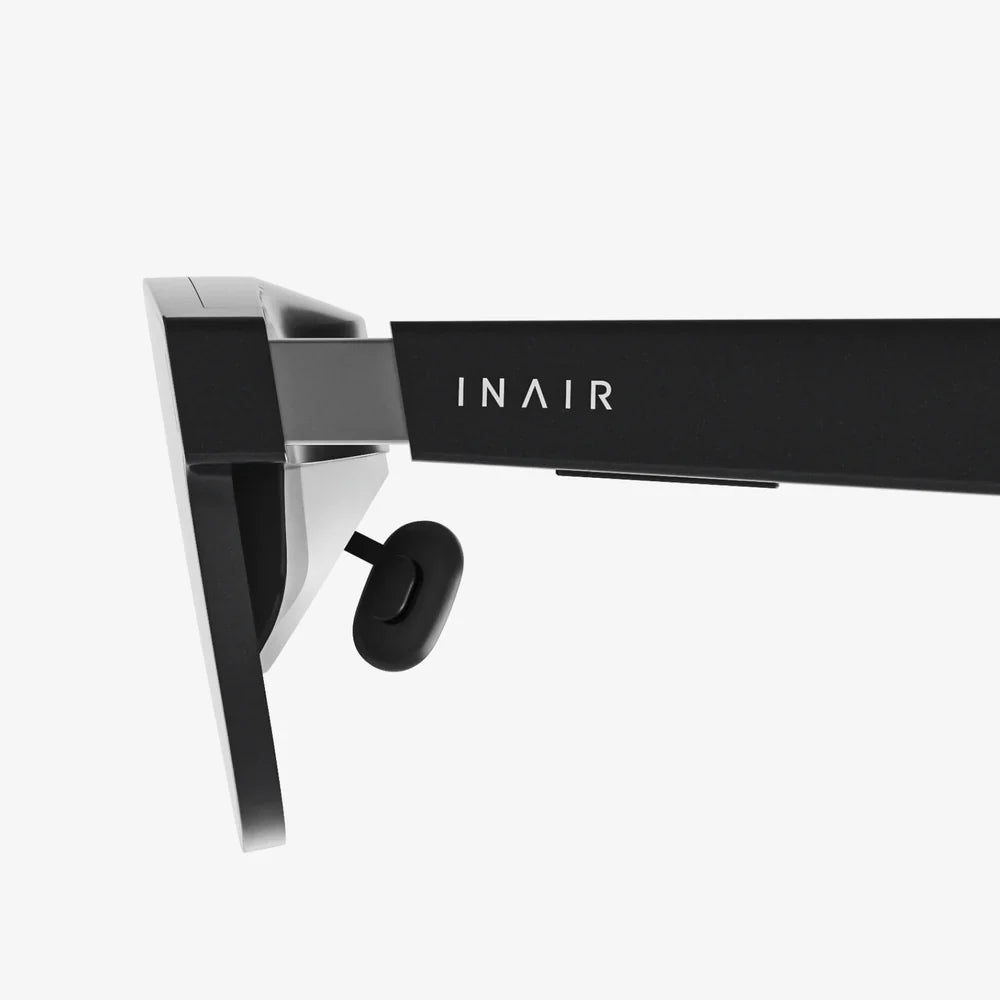
The sleek device on your wrist, the nearly invisible sensor in your clothing, the smart glasses projecting data onto your field of vision—these are no longer the stuff of science fiction. Wearable technology has woven itself into the very fabric of our daily lives, promising to enhance our health, productivity, and connection to the digital world. But have you ever stopped to consider the monumental journey these devices undertake before they ever reach your body? The path from a nascent idea to a reliable, desirable, and functional wearable product is a fascinating and complex odyssey of engineering, design, and human-centric innovation, a process fraught with unique challenges that separate it from any other consumer electronics category.
The Confluence of Disciplines: More Than Just Hardware
At its core, wearable product development is a symphony played by a diverse orchestra of specialists. It is not merely about shrinking a smartphone and strapping it to a wrist. It represents a fundamental convergence of several advanced fields:
-
Industrial Design and Ergonomics: This is the first and most critical layer. A wearable must not only look appealing but feel like a natural extension of the user. Every curve, material, and weight distribution is meticulously calculated for long-term comfort and intuitive interaction. The product must conform to a vast array of human body shapes and sizes, a challenge absent in static devices.
-
Electrical and Mechanical Engineering: Engineers are tasked with the Herculean effort of packing sophisticated sensors, processors, batteries, and antennas into an extremely constrained form factor. They must manage heat dissipation, ensure structural integrity against daily wear and tear, and solve the eternal puzzle of power consumption versus performance.
-
Software and Firmware Development: The hardware is useless without intelligent software. This includes the low-level firmware that drives the sensors and manages power states with extreme efficiency, the operating system that runs the device, and the companion applications for smartphones or the cloud that provide meaningful data insights and user control.
-
Data Science and Machine Learning: Modern wearables are data-generating powerhouses. The raw data from an accelerometer or optical heart rate sensor is just noise without sophisticated algorithms. Data scientists develop models to translate sensor data into actionable health metrics like sleep stages, step counts, or atrial fibrillation detection, turning data into wisdom.
-
Material Science: The choice of materials is paramount. They must be hypoallergenic, durable, lightweight, and often flexible. Biocompatibility is essential for devices that sit against the skin for extended periods. Innovations in polymers, composites, and textiles are constantly pushing the boundaries of what's possible.
The Development Lifecycle: From Napkin Sketch to Wrist
The journey of a wearable product is a structured yet iterative process, typically encompassing several distinct phases.
Phase 1: Conceptualization and User Research
Every successful product starts with a clear value proposition. This phase involves identifying a genuine user need or problem. Is the device meant to diagnose a medical condition, enhance athletic performance, or streamline workplace tasks? Extensive user research, including interviews, surveys, and ethnographic studies, is conducted to understand pain points, desired features, and usability expectations. This phase defines the why before the how.
Phase 2: Feasibility Analysis and Technical Specification
Once the concept is solidified, the brutal reality of physics and economics sets in. Engineers and product managers conduct a feasibility study. Are the required sensors accurate and small enough? Is there a battery technology that can deliver the necessary runtime? Can it be manufactured at a target cost? This phase results in a detailed technical specification document—the bible for the entire development team—outlining every feature, performance metric, and component.
Phase 3: Prototyping and Iterative Design
This is where the abstract becomes physical. Prototyping occurs in multiple stages:
-
Looks-like Prototypes: Non-functional models made from foam, clay, or 3D-printed resin, used to assess form, feel, and aesthetics.
-
Works-like Prototypes: Often ugly bundles of wires and development boards (dev kits) crammed into a rough enclosure, used to test core functionality, sensor accuracy, and software integration.
-
Engineering Validation Test (EVT) Units: These are the first prototypes that resemble the final product, using preliminary tooling and components. They are subjected to rigorous testing to validate mechanical and electrical performance.
Each prototype iteration is tested with users, and feedback is incorporated back into the design in a continuous loop. This iterative process is crucial for uncovering unforeseen usability issues.
Phase 4: Refinement and Certification
Following EVT, the design is refined into Design Validation Test (DVT) and Production Validation Test (PVT) units. These are essentially final products built with mass-production processes. They undergo extreme stress testing—drop tests, water immersion, extreme temperatures, and thousands of cycles of button presses and charger insertions.
Concurrently, the product must undergo certification processes from regulatory bodies like the FCC (for radio frequency emissions) in the US or the CE mark in Europe. If marketed as a medical device, it must secure approval from organizations like the FDA, a lengthy and stringent process that requires extensive clinical validation data.
Phase 5: Manufacturing and Mass Production
Scaling from building a hundred units to hundreds of thousands is a monumental task. It involves sourcing components globally, setting up assembly lines with rigorous quality control checks, and establishing a robust supply chain. The choice of manufacturing partner is critical, as they must maintain incredibly high standards for consistency and quality.
The Quintessential Challenges: The Hurdles of Miniaturization
Wearable product development is defined by its constraints. Developers must constantly battle several fundamental challenges:
-
The Power Paradox: The single greatest limitation. Users demand long battery life (days, not hours), but they also want brighter displays, more powerful processors, and always-on sensors. Developers employ every trick in the book: ultra-low-power microcontrollers, aggressive power gating (turning off unused components), sophisticated sleep modes, and optimizing software algorithms for efficiency. The battery's size, shape, and energy density dictate the entire device's form factor.
-
Sensor Accuracy and the Noisy Body: The human body is a hostile environment for precise measurement. Motion artifacts, sweat, skin tone, and body hair can all interfere with optical sensors. Achieving clinical-grade accuracy in a consumer device, outside the controlled environment of a lab, remains a massive hurdle. It requires advanced hardware filtering and complex, trained algorithms.
-
Connectivity and Antenna Design: Packing Bluetooth, Wi-Fi, GPS, and sometimes cellular modems into a tiny metal or composite body is an antenna designer's nightmare. The human body itself absorbs radio waves, severely degrading signal performance. Antenna placement and design are critical for reliable connectivity.
-
Thermal Management: High-performance computing in a tight space generates heat. Dissipating this heat to avoid user discomfort or even minor burns is a non-trivial engineering problem, often solved with clever heat-spreading materials and structural design.
-
Data Privacy and Security: Wearables collect the most intimate data possible: your location, your health, your daily habits. Ensuring this data is encrypted, stored securely, and not misused is an ethical and technical imperative. A single privacy scandal can doom a product and a brand.
The Future We Will Wear: Trends Shaping Tomorrow's Devices
The field is evolving at a breathtaking pace. Several key trends are poised to define the next generation of wearable technology:
-
Medicalization and the Shift to Continuous Health Monitoring: The line between consumer wellness and medical-grade diagnostics is blurring. We are moving towards wearables that can continuously and passively monitor vital signs like blood glucose (non-invasively), blood pressure, blood oxygen saturation (SpO2), and even detect early signs of infection. This promises a revolution in preventative healthcare.
-
Advanced Materials and Form Factors: The future is flexible and invisible. Research into electronic tattoos, smart fabrics that can sense pressure or moisture, and biodegradable sensors will lead to wearables that are truly unobtrusive and seamlessly integrated into our clothing and even our skin.
-
Contextual and Ambient Intelligence: Future devices will move beyond simply reporting data to understanding context and acting intelligently. Using a combination of sensors and AI, a device will know if you are sleeping, driving, or in a meeting and will adjust notifications and functionality accordingly, becoming a truly proactive assistant.
-
Brain-Computer Interfaces (BCIs): While still in early stages, non-invasive BCIs worn on the head or even in-ear are advancing rapidly. They hold the potential to control devices with our thoughts, monitor cognitive load and mental well-being, and unlock new paradigms of human-computer interaction.
Imagine a world where your morning shirt not only feels comfortable but also performs a full-body health scan as you get dressed, alerting you to minor irregularities before they become major problems. Envision glasses that not only overlay digital information onto the real world but also translate foreign languages in real-time and recognize the faces of people you've met, whispering their names to you through bone conduction. This is the horizon that wearable product development is steadily approaching—a future where technology doesn't just live in our pockets but integrates seamlessly into our being, enhancing human capability in ways we are only beginning to imagine. The next time you glance at your wrist, remember that you're not just looking at a timepiece; you're witnessing a masterpiece of modern engineering, a testament to our relentless drive to build a better, smarter, and healthier future, one wearable at a time.