


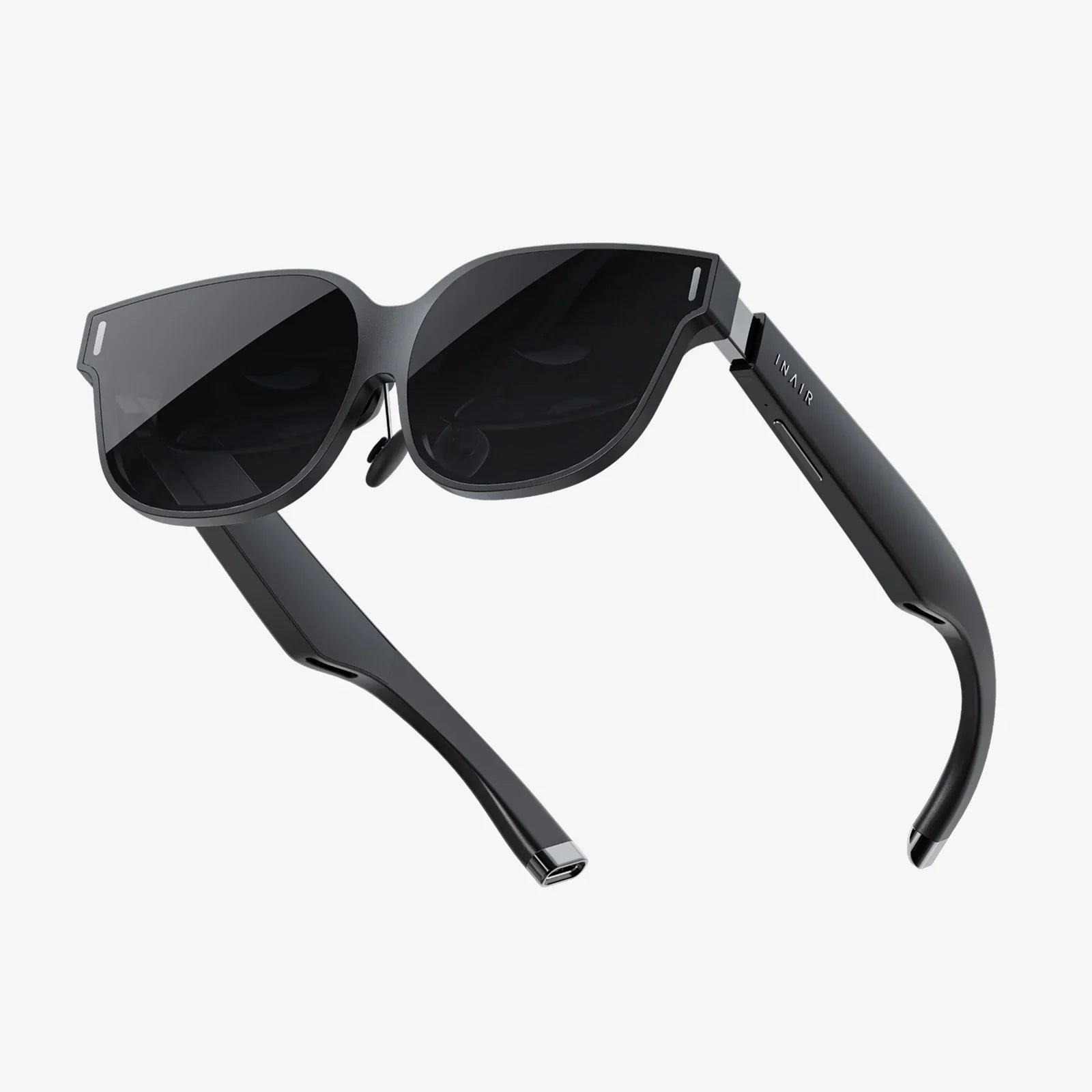
Imagine a world where your clothing monitors your vitals, your glasses overlay digital information onto the physical realm, and a subtle device on your wrist not only tells time but predicts your health. This isn't a glimpse into a distant sci-fi future; it's the reality being forged today by the relentless engine of wearable tech development. The journey from clunky prototypes to sleek, life-integrated devices is one of the most fascinating narratives in modern technology, promising to redefine the very boundaries of human capability and interaction.
The Genesis of an Idea: A Brief Historical Context
The concept of wearable technology is far older than most realize. While the current boom feels contemporary, its roots stretch back decades. The first true wearable computer was conceived in the 1960s, a shoe-mounted device designed to predict roulette wheels. In the 1980s, the calculator watch became a cultural icon, a primitive but powerful symbol of a wearable future. However, these were isolated novelties. The true catalyst for modern wearable tech development was the perfect storm of miniaturization, connectivity, and sensor innovation that occurred alongside the smartphone revolution. The creation of ubiquitous wireless networks like Bluetooth and Wi-Fi provided the essential highway for data, while advancements in micro-electromechanical systems (MEMS) allowed accelerometers, gyroscopes, and other sensors to be shrunk to microscopic sizes and embedded into increasingly small form factors.
The Core Pillars of Modern Wearable Tech Development
The breakneck pace of innovation in this field is built upon several interconnected technological pillars, each advancing and pulling the others forward.
Miniaturization and Materials Science
The most visible trend is the relentless drive toward smaller, lighter, and more comfortable devices. This is not merely an aesthetic pursuit; it is fundamental to user adoption. Wearables must conform to the human body, not the other way around. Developments in flexible electronics, including bendable batteries and stretchable conductive polymers, are creating devices that can be woven into fabrics or attached to the skin like a temporary tattoo. The use of advanced biocompatible materials ensures devices can be worn for extended periods without irritation, paving the way for continuous, uninterrupted health monitoring.
Sensor Fusion and Biometric Data Acquisition
At the heart of every meaningful wearable is a suite of sensors. Early devices might have featured a simple accelerometer to count steps. Today's advanced wearables are veritable clinical labs on the wrist. Photoplethysmography (PPG) optical sensors shine light into the skin to measure blood volume changes, enabling heart rate monitoring, heart rate variability (HRV) analysis, and even blood oxygen saturation (SpO2) readings. Electrocardiogram (ECG) sensors can detect atrial fibrillation. Bioimpedance sensors measure minute electrical signals to estimate body composition. The real magic, however, lies in sensor fusion—the sophisticated algorithmic process of combining data from all these sources to create a holistic and accurate picture of the user's physiological state. This transforms raw data into actionable insights.
Power Management and Battery Innovation
Perhaps the greatest physical constraint on wearable tech development is power. A device that needs daily charging becomes a burden, limiting its utility for 24/7 health tracking. Engineers are attacking this problem from multiple angles: developing ultra-low-power processors, creating more efficient software, and pioneering new energy sources. Advances in solid-state battery technology promise greater energy density in smaller packages. Furthermore, research into energy harvesting—such as converting kinetic energy from movement, body heat (thermoelectric), or even ambient light (solar)—aims to create devices that could potentially never need to be plugged in.
Artificial Intelligence and Edge Computing
Data without intelligence is merely noise. The terabytes of biometric data generated by wearables are useless without sophisticated software to interpret it. This is where Artificial Intelligence (AI) and machine learning (ML) become the true brains of the operation. AI algorithms are trained on massive datasets to identify patterns, detect anomalies, and provide personalized recommendations. A simple heart rate reading becomes meaningful when an AI can contextualize it with sleep data, activity levels, and historical trends to warn of potential illness or excessive stress. A critical evolution in this space is the move toward edge computing, where this data processing happens on the device itself rather than being sent to a cloud server. This reduces latency, conserves battery life, and, most importantly, enhances user privacy by keeping sensitive health data local.
Connectivity and the Ecosystem
No wearable is an island. Its value is magnified exponentially by its connection to a broader ecosystem. Seamless integration with smartphones, tablets, and home systems allows data to be visualized, shared, and acted upon. The emergence of standards like Bluetooth Low Energy (BLE) has been crucial. Looking ahead, the rollout of 5G and future networks will enable new use cases, particularly for augmented reality (AR) wearables, by providing the high bandwidth and low latency required for streaming rich data and graphics in real-time.
Transforming Industries: The Practical Applications
The impact of wearable tech development extends far beyond the consumer's wrist, revolutionizing procedures and protocols in numerous professional sectors.
Healthcare and Clinical Medicine
This is arguably the most profound application. Wearables are shifting healthcare from a reactive model to a proactive and preventative one. Continuous remote patient monitoring (RPM) allows doctors to track the recovery of post-operative patients at home, reducing hospital readmissions. Clinical-grade wearables are being used in drug trials to collect objective, real-world data on a drug's efficacy and side effects. For individuals with chronic conditions like diabetes, hypertension, or cardiac issues, wearables provide a safety net, alerting them and their physicians to dangerous trends before they become emergencies. This not only improves patient outcomes but also alleviates the immense burden on healthcare systems.
Enterprise and Industrial Applications
On factory floors, in warehouses, and on construction sites, wearables are enhancing safety and efficiency. Smart glasses can overlay schematics or instructions onto a technician's field of view, freeing their hands for complex tasks. Wearable sensors can monitor workers' vitals in extreme environments, alerting them to heat stress or fatigue. Devices can also track location, ensuring worker safety in hazardous or isolated areas. The data collected helps companies optimize workflows and improve safety protocols, preventing accidents before they happen.
Fitness and Wellness
While this was the entry point for many, it has evolved far beyond step counting. Modern wearables provide sophisticated metrics on workout intensity (VO2 Max estimates), recovery status, and sleep quality. They offer guided breathing sessions for stress management and can track menstrual cycles. This holistic approach to wellness empowers individuals with deep knowledge about their own bodies, enabling them to make more informed lifestyle choices.
Navigating the Challenges: The Road Ahead
For all its promise, the path of wearable tech development is not without significant obstacles that must be addressed for the industry to mature sustainably.
Data Privacy and Security
Wearables collect the most intimate data imaginable: our heartbeats, our location, our sleep patterns, and potentially soon, our blood chemistry. This creates a treasure trove for hackers and a responsibility for developers. Robust encryption, transparent data policies, and a firm commitment to user ownership of data are non-negotiable. The industry must proactively build trust through security-by-design principles, ensuring privacy is not an afterthought but the foundation.
Regulatory Hurdles and Medical Validation
As wearables make more serious health claims, they increasingly fall under the scrutiny of medical device regulators. Gaining approval for a feature that diagnoses a condition is a rigorous, expensive, and time-consuming process. Companies must navigate these complex regulatory landscapes across different countries. Furthermore, there is a pressing need for third-party clinical validation to ensure the accuracy and reliability of the health data these devices provide; consumer-grade must not mean sub-standard when health decisions are involved.
Battery Life and Form Factor
The holy grail remains a medical-grade device with a year-long battery life in a form factor as unobtrusive as a bandage or a ring. While progress is being made, this challenge persists. Users are often forced to choose between capability and convenience, a trade-off that stifles adoption for advanced monitoring.
The Digital Divide and Health Equity
There is a risk that the benefits of wearable tech could exacerbate existing health disparities. Advanced health monitoring could become a luxury available only to those who can afford the latest devices and have the digital literacy to use them. Developers and policymakers must be mindful of this, ensuring that these powerful tools are designed accessibly and deployed in a way that benefits entire populations, not just the privileged few.
The Next Frontier: What Lies on the Horizon?
The future of wearable tech development is moving toward even deeper integration with the human body. We are progressing from devices we wear to technologies that become a part of us. Brain-computer interfaces (BCIs) are being developed to help patients with paralysis control external devices with their thoughts. Smart contact lenses that measure glucose levels in tears are in advanced trials. Electronic skin (e-skin)—flexible, ultrathin patches packed with sensors—could one day monitor a vast array of biomarkers continuously and unobtrusively. The convergence of AI, biotechnology, and nanotechnology will ultimately dissolve the boundary between technology and user, creating a seamless flow of information that empowers us to understand and optimize our own biology in ways previously confined to fantasy.
The trajectory of wearable tech development points toward a future of ambient computing, where technology recedes into the background of our lives, working silently and intelligently to enhance our health, safety, and capabilities. The devices of tomorrow will be less about screens and notifications and more about intuitive, context-aware assistance. They will predict our needs, warn us of unseen dangers, and connect us to our health in a continuous, meaningful dialogue. This isn't just about building better gadgets; it's about harnessing technology to fundamentally expand the human experience, making us more aware, more connected, and more in control of our own well-being than ever before.
Share:
Types of Collaboration Spaces: A Guide to Designing for Modern Work
Looking Glass Holographic Display News: The Future of Visual Interaction is Here