


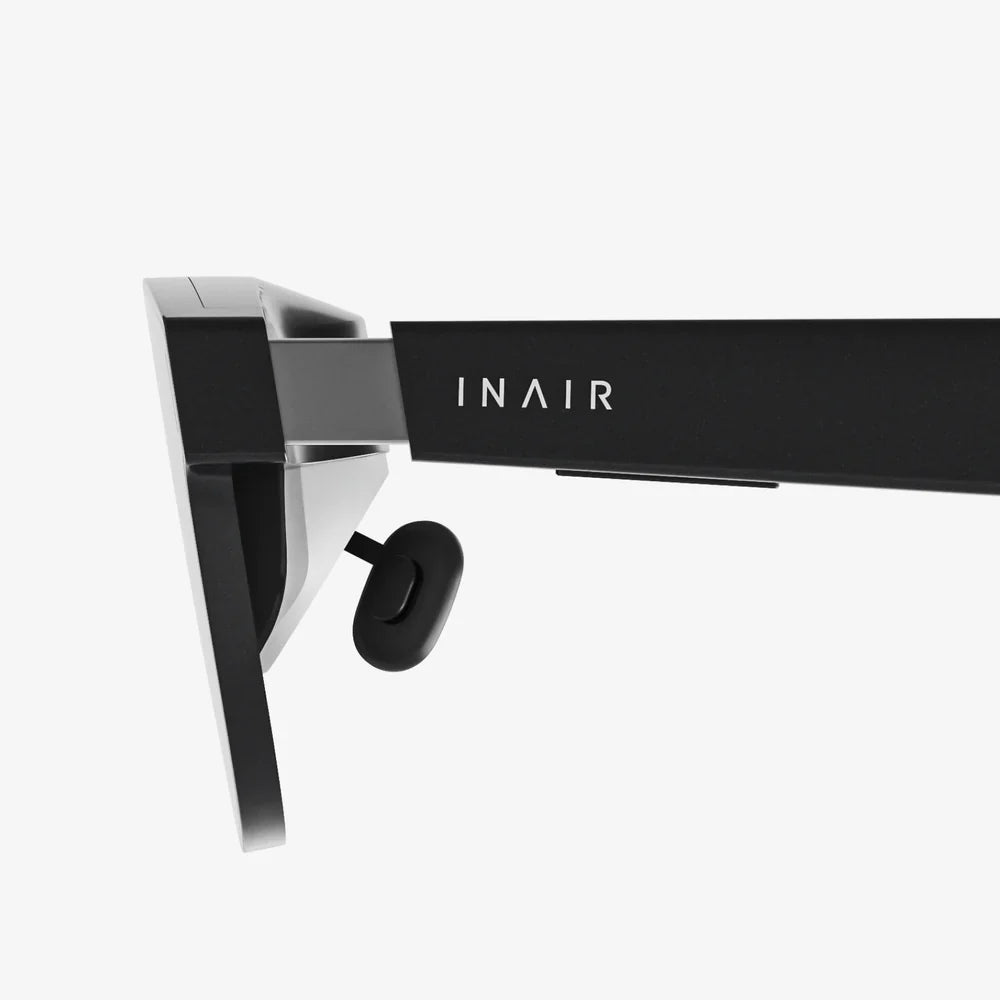
Imagine a world where your watch not only tells time but also warns you of an impending health crisis, where your glasses overlay digital information onto the physical world, and where your clothing can monitor your posture and stress levels. This isn't a glimpse into a distant sci-fi future; it's the reality being built today by the relentless evolution of wearable tech devices. These gadgets are quietly weaving themselves into the very fabric of our daily existence, moving from niche curiosities to central pillars of a connected, data-driven life. They promise unparalleled convenience, revolutionary health insights, and a new layer of interaction with our environment. But this brave new world of worn technology also brings with it profound questions about privacy, dependency, and what it means to be human in an increasingly quantified society. The journey from the first clunky prototypes to the sleek, powerful devices of today is a story of miniaturization, sensor innovation, and a fundamental shift in how we perceive the relationship between our bodies and technology.
The Meteoric Rise: From Novelty to Necessity
The concept of wearable technology is far older than most realize. The abacus ring, used in ancient China, and the Elizabethan pocket watch are early precursors. However, the modern era began with the calculator watch in the 1980s, a symbol of nerd-chic that hinted at future potential. The real catalyst was the development of miniaturized sensors and low-power processors, which allowed for functionality beyond simple computation.
The first major wave hit the consumer market with fitness trackers. These simple devices, often little more than accelerometers paired with a basic display, democratized health data. Suddenly, steps, a metric once ignored, became a daily goal for millions. This initial success proved there was a massive market for technology that offered personal insights. It paved the way for the second, more powerful wave: the smartwatch. By integrating notification systems, call functionality, and more sophisticated health monitoring, smartwatches positioned themselves not as accessories, but as essential companions to the smartphone, a satellite computer for the wrist.
Today, we are in the midst of a third wave, characterized by specialization and dispersion. Wearable tech devices are no longer confined to the wrist. They are in our ears as advanced hearables with active noise cancellation and real-time language translation. They are on our faces as smart glasses designed for enterprise and slowly creeping into consumer spaces. They are woven into our textiles as smart clothing that can measure muscle activity and biometrics with unprecedented accuracy. This proliferation signals a move towards a truly ambient computing environment where technology is seamlessly integrated into our lives.
Beneath the Surface: The Core Technologies Powering the Revolution
The magic of wearable tech devices is not in their outward design, but in the sophisticated suite of technologies packed inside their diminutive forms. These components work in concert to collect, process, and transmit a constant stream of data about us and our environment.
The Sensor Suite: Our Digital Sixth Sense
At the heart of every device is an array of sensors, acting as its digital senses.
- Accelerometers and Gyroscopes: These are the workhorses, tracking movement, orientation, and step count. They distinguish between walking, running, and swimming, painting a picture of our daily activity.
- Optical Heart Rate Monitors: Using a method called photoplethysmography (PPG), these sensors shine light onto the skin and measure the light reflected back by blood flow. This allows for continuous, non-invasive monitoring of heart rate throughout the day and night.
- Electrocardiogram (ECG) Sensors: Moving beyond heart rate, ECG sensors measure the electrical activity of the heart. This can help detect atrial fibrillation (AFib) and other serious cardiac irregularities, moving wearables from fitness into the realm of clinical-grade diagnostics.
- Global Positioning System (GPS): GPS modules track location, speed, and distance traveled outdoors, essential for mapping runs, cycles, and hikes without requiring a connected phone.
- Bioimpedance Sensors: By sending a tiny, imperceptible electrical current through the body, these sensors can estimate metrics like body fat percentage, stress levels (by measuring skin conductance), and even sleep quality.
- SpO2 Sensors: Measuring blood oxygen saturation, a metric that gained significant attention during the recent global health pandemic.
- Microphones and Speakers: Enable voice assistant control, call functionality, and environmental sound analysis for features like fall detection.
Connectivity and Power: The Invisible Lifelines
Data is useless in isolation. Wearables rely on a suite of wireless technologies to stay connected. Bluetooth Low Energy (BLE) is the standard for connecting to a smartphone hub, ensuring a constant data sync without draining the battery. Wi-Fi allows for more robust data transfers and direct internet access. Many devices now also include NFC for contactless payments, turning the wearable into a digital wallet.
Powering all this technology is perhaps the greatest engineering challenge: the battery. Innovations in battery chemistry and low-power displays are constantly extending usage times. Furthermore, power management software intelligently decides which sensors to use and when, putting the device into low-power modes during inactivity. The pursuit of alternative charging methods, such as solar power, kinetic energy, and even radio frequency harvesting, is a major area of research aimed at ultimately creating devices that never need to be plugged in.
Transforming Industries: The Practical Impact of Wearables
The influence of wearable tech devices extends far beyond the individual consumer. They are catalyzing change across entire sectors, offering new tools for professionals and new paradigms for service delivery.
Healthcare: From Reactive to Proactive and Preventive
This is arguably the most impactful domain. Wearables are shifting the healthcare model from one that reacts to illness to one that actively promotes wellness and prevents disease.
- Remote Patient Monitoring (RPM): Patients with chronic conditions like hypertension, diabetes, or heart disease can be monitored continuously from home. Doctors can receive alerts for abnormal readings, allowing for early intervention before a condition becomes critical. This reduces hospital readmissions and improves patient outcomes.
- Clinical Research: The pharmaceutical and research industries are using wearables to gather vast, real-world datasets. This provides more accurate and continuous data on how patients respond to treatments outside of a clinical setting, accelerating drug development and improving trial designs.
- Elderly Care: Features like fall detection with automatic emergency calling, medication reminders, and activity tracking provide peace of mind for families and allow older adults to maintain independence for longer.
- Mental Health: By correlating physiological data (heart rate variability, sleep patterns) with self-reported mood logs, wearables are beginning to offer insights into stress, anxiety, and overall mental wellbeing, suggesting interventions like breathing exercises.
Enterprise and Industrial Applications
In warehouses, factories, and on construction sites, wearables are boosting safety and efficiency. Smart glasses can overlay schematics or picking instructions directly into a worker's field of view, keeping their hands free and reducing errors. Wearable sensors can monitor environmental hazards like toxic gas levels or extreme heat, alerting workers to danger. Exoskeletons, a form of industrial wearable, are reducing physical strain and preventing injuries by providing support for lifting heavy objects.
Sports and Fitness: The Personal Coach
For amateur and professional athletes alike, wearables have become indispensable training tools. They provide granular data on performance metrics like VO2 max (a measure of aerobic fitness), running dynamics (cadence, ground contact time), and recovery status. This data-driven approach allows for highly personalized training plans that optimize performance and minimize the risk of injury.
The Double-Edged Sword: Navigating Privacy and Ethical Quandaries
With great data comes great responsibility. The very feature that makes wearable tech devices so powerful—their ability to collect intimate, continuous data—is also their greatest point of vulnerability. This raises a host of serious ethical and practical concerns.
The Data Privacy Dilemma
Wearables generate a digital fingerprint of your life: where you go, how you sleep, your heart patterns, and even your emotional states. The question of who owns this data is murky. Is it the user, the device manufacturer, or the app developer? How is this data being stored, secured, and, most importantly, used? There is a significant risk of this highly personal information being sold to third parties for advertising, used for insurance premium calculations, or even stolen in a data breach. The potential for surveillance, both by corporations and state actors, is a chilling prospect that demands robust legal and regulatory frameworks.
The Algorithmic Black Box
These devices don't just collect data; they interpret it using complex algorithms. When a wearable suggests you are "stressed" or flags an "irregular heart rhythm," it is making a probabilistic judgment. How accurate are these algorithms? Are they validated across diverse populations? A false positive could cause immense anxiety, while a false negative could create a dangerous false sense of security. Users are often asked to trust these black-box recommendations without a clear understanding of their limitations or the underlying science.
Societal and Psychological Implications
The constant pursuit of optimization can lead to unhealthy obsessions. The term "orthosomnia" has been coined to describe the anxiety and insomnia caused by an obsessive focus on achieving perfect sleep scores from a tracker. When every aspect of our being is quantified, we risk reducing the rich, subjective experience of life to a set of cold, hard numbers. There is a danger that we may start to trust the data more than our own bodily sensations, creating a disconnect between mind and body.
Gazing into the Crystal Ball: The Future of Worn Technology
The trajectory of wearable tech devices points towards even deeper integration. We are moving towards invisible computing, where the technology recedes into the background.
- Advanced Biomarkers: Future devices may non-invasively monitor blood glucose, alcohol levels, hydration, and key hormones, providing a truly holistic view of our metabolic health.
- Brain-Computer Interfaces (BCIs): Companies are already developing wearables that can interpret neural signals. The goal is to control devices with our thoughts, restore function to those with paralysis, and even enhance cognitive abilities.
- Smart Skins and Ambient Interfaces: Technology will move from devices we wear to materials we inhabit. Electronic tattoos, smart contact lenses, and environments that respond to our presence and biometric state will create a seamlessly interactive world.
- True Augmented Reality: The ultimate goal for visual wearables is a pair of lightweight glasses that can seamlessly blend high-fidelity digital objects with the real world, revolutionizing how we work, socialize, and learn.
The path forward must be navigated with careful intention. The incredible potential for improving human health, safety, and capability is undeniable. However, realizing this potential without succumbing to dystopian outcomes will require a collaborative effort. It will need transparent companies that prioritize user privacy, clear and sensible regulations that protect citizens, and an informed public that engages critically with this technology, demanding both its benefits and its safeguards. The future on our wrists, in our ears, and on our faces is not predetermined; it is ours to shape.
The data streaming from your wrist is more than just numbers; it's a narrative of your life, a story being written in real-time with every heartbeat and every step. Wearable tech devices have handed us the pen, offering a chance to author a healthier, more efficient, and more connected existence. But as we eagerly script this future, we must pause to ask who else is reading the story, how it might be edited, and what chapters we may unintentionally be leaving out. The ultimate measure of this revolution won't be in the sophistication of its sensors, but in its ability to enhance our humanity without compromising the very essence of what it seeks to quantify.
Share:
What Are Wearable Devices: The Ultimate Guide to Technology on the Go
Android Glasses Price - A Comprehensive Guide to Cost, Value, and the Future on Your Face