


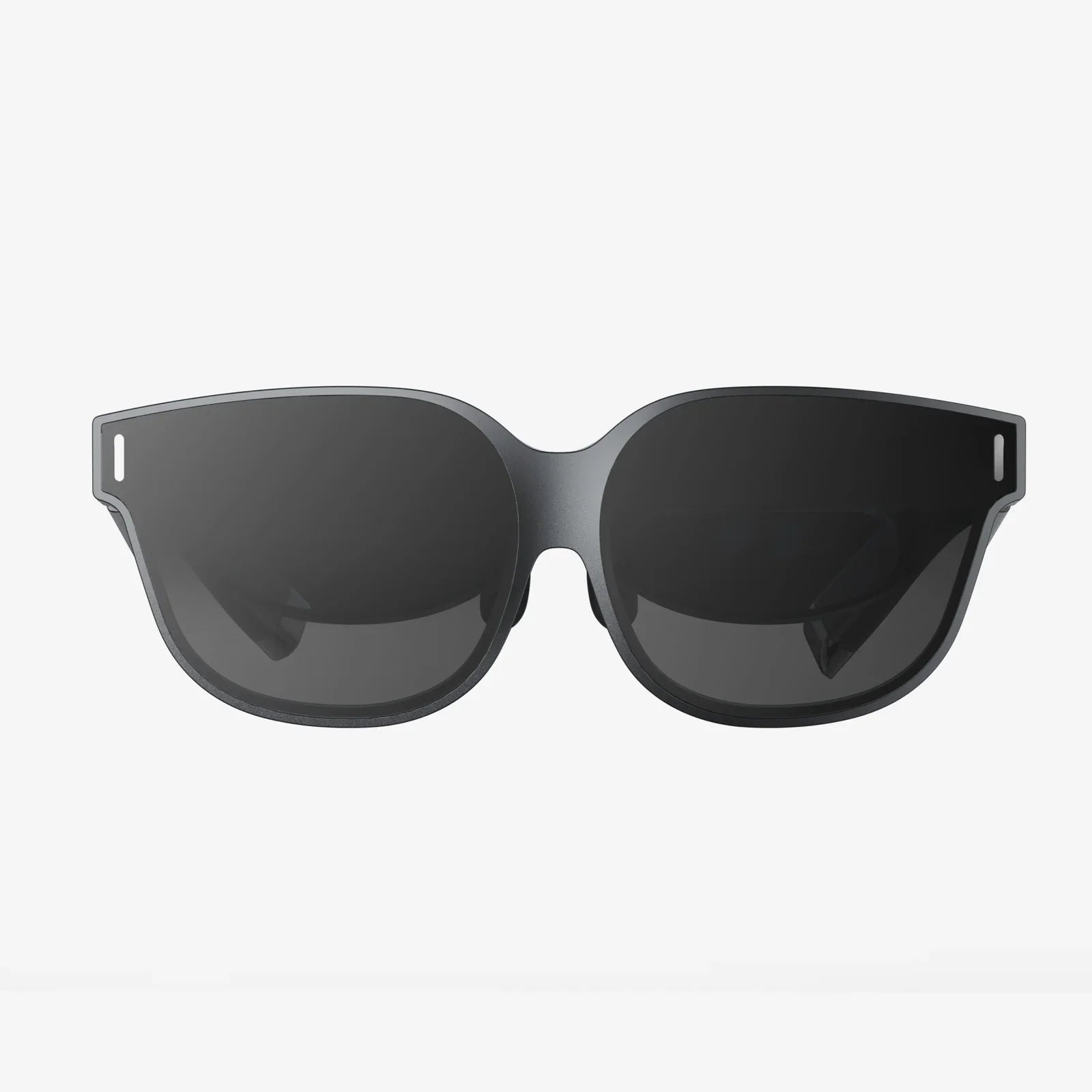
Imagine a world where your watch not only tells time but also whispers warnings about an impending health issue, where your ring tracks the quality of your sleep to optimize your entire day, and where your glasses overlay a digital universe onto the physical one. This isn't a glimpse into a distant sci-fi future; it is the reality being crafted today by the relentless innovation in wearable tech gadgets. From their humble beginnings as simple step-counters, these devices have evolved into sophisticated hubs of personal data, poised to fundamentally alter our relationship with technology, health, and our own bodies. The revolution is not coming; it is already on our wrists, in our ears, and woven into the very fabric of our clothes.
The Evolution From Novelty to Necessity
The journey of wearable technology is a fascinating tale of rapid acceleration. The concept is not new; for decades, calculators on wrists and early hearing aids represented a primitive form of wearables. However, the modern era truly began with the advent of wearable fitness trackers. These initial devices were monochromatic, single-purpose tools focused almost exclusively on counting steps and estimating calorie burn. They were a novelty, often abandoned in drawers after a few weeks of curiosity.
The paradigm shift occurred when these gadgets transformed into smartwatches and connected ecosystems. The introduction of more sophisticated sensors, powerful processors, and always-on connectivity turned them from passive trackers into active, intelligent companions. Suddenly, a device on your wrist could receive notifications, control your music, make payments, and guide you with GPS—all while continuously monitoring your health. This convergence of utility, connectivity, and health monitoring marked the moment wearable tech gadgets crossed the chasm from niche hobbyist gear to mainstream necessity.
Beyond the Wrist: The Expanding Ecosystem of Wearables
While the wrist remains the dominant real estate for wearable technology, innovation is flourishing across the human body, creating a diverse and interconnected ecosystem.
Smartwatches and Fitness Trackers
These remain the flagship products of the category. Modern devices are equipped with an array of sensors including optical heart rate monitors, blood oxygen saturation (SpO2) sensors, electrical heart sensors for ECGs, skin temperature sensors, and advanced accelerometers. They are no longer just about fitness; they are comprehensive health guardians, capable of detecting atrial fibrillation, measuring stress levels through heart rate variability, and even offering guided meditation sessions based on your physiological state.
Smart Audio and Hearables
Earbuds have undergone a similar transformation. They are not just for listening to music anymore. Active Noise Cancellation (ANC) creates pockets of tranquility in noisy environments. Transparency modes allow ambient sound in for situational awareness. Advanced models now incorporate fitness tracking, integrating accelerometers to estimate steps and calories. Perhaps most impressively, some feature integrated sensors to monitor body temperature and even translate languages in real-time, effectively functioning as always-available, intelligent assistants in your ears.
Smart Apparel and Footwear
The integration of technology into clothing and shoes represents a more seamless future. Smart fabrics with conductive threads can monitor muscle activity, posture, and breathing patterns during athletic performance or physical rehabilitation. Smart shoes can analyze gait, provide running coaching, and even heat themselves on command. This category promises a future where technology is invisible, woven directly into the items we wear every day, providing continuous feedback without the need for a separate device.
Smart Glasses and Augmented Reality
This is arguably the next frontier. While still developing for mass consumer adoption, smart glasses aim to overlay digital information—text messages, directions, contextual data—onto the real world. This technology, known as Augmented Reality (AR), has profound implications for navigation, hands-free work instructions, and immersive gaming. The goal is to free information from the confines of a screen and integrate it seamlessly into our field of vision.
Specialized Medical and Health Devices
Beyond consumer wellness, there is a growing sector of clinical-grade wearables. These include continuous glucose monitors (CGMs) that allow diabetics to track blood sugar levels without finger-prick tests, smart patches that deliver medication transdermally, and connected ECG monitors that provide remote diagnostics to physicians. These devices are blurring the line between consumer electronics and medical equipment, empowering individuals with unprecedented control and insight into their chronic conditions.
The Data Revolution: From Information to Insight
The true power of wearable tech gadgets lies not in the hardware itself, but in the vast ocean of data they collect. These devices generate a continuous stream of personalized biometric information, creating a digital twin of your physical self. This data, when properly analyzed, moves from mere information to actionable insight.
Machine learning algorithms can identify patterns and correlations that would be impossible for a human to discern. They can learn your baseline resting heart rate and flag anomalies that suggest illness or overtraining. They can analyze sleep stages to suggest adjustments to your bedtime routine for more restorative rest. By correlating activity levels, heart rate, and sleep, they can provide a holistic view of your overall well-being, offering personalized recommendations to improve your healthspan, not just your lifespan. This shift from reactive healthcare to proactive and predictive wellness is perhaps the most significant impact of the wearable revolution.
Navigating the Challenges: Privacy, Accuracy, and the Human Element
Despite the immense promise, the rise of wearable technology is not without its significant challenges and critical questions.
The Privacy Paradox
Wearable tech gadgets collect the most intimate data possible: information about your body, your location, your daily habits, and your health. This creates a massive privacy dilemma. Who owns this data? Is it the user, the device manufacturer, or the software developer? How is it being stored, secured, and potentially sold or shared with third parties, such as insurers or employers? The potential for misuse is substantial, necessitating robust data protection regulations and transparent policies from companies. Users must be empowered with clear controls over their personal information.
Questions of Accuracy and Reliability
While sensor technology has improved dramatically, these devices are not infallible. Wrist-based optical heart rate monitors can be thrown off by motion, skin tone, and fit. The algorithms that estimate calories, stress, and sleep stages are based on population averages and models, which may not be perfectly accurate for every individual. It is crucial to understand that most consumer wearables are designed for wellness and general awareness, not for medical diagnosis. Over-reliance on potentially inaccurate data can lead to health anxiety or, conversely, a false sense of security. The data should be viewed as a helpful guide, not an absolute truth.
Preventing Digital Burnout
The constant stream of notifications, alerts, and health metrics can lead to a state of hyper-awareness and anxiety, often termed "quantified self burnout." The pressure to close activity rings or achieve a perfect sleep score can turn a tool for self-improvement into a source of stress. It is vital to maintain a healthy relationship with these devices, using them as empowering guides rather than demanding taskmasters. Periodic digital detoxes and remembering to listen to one's own body are essential practices in the age of quantified living.
The Future Weaved Into Our Lives
Looking ahead, the trajectory of wearable tech gadgets points towards even greater integration, invisibility, and intelligence. We are moving towards a paradigm of "ambient computing," where technology recedes into the background of our lives. Future developments may include:
- Advanced Biometric Sensors: Non-invasive blood pressure monitoring, blood glucose tracking without needles, and early detection of biomarkers for diseases like cancer.
- Brain-Computer Interfaces (BCIs): Devices that can interpret neural signals, potentially helping to control prosthetics, treat neurological conditions, or even allow for thought-based control of other devices.
- True Ambient Intelligence: A network of interoperable wearables and smart home devices that work in concert to automate your environment based on your physiological state—for example, adjusting lighting and temperature to wind you down for sleep.
The ultimate goal is to create technology that understands us so intuitively that it anticipates our needs and supports our health and goals without conscious effort or constant interaction on our part.
The age of passive observation is over; we are entering an era of intimate, real-time symbiosis with our technology. The humble wearable has become the most personal portal to our own well-being, a silent guardian on our wrist, in our ear, and on our skin, offering not just data, but a deeper dialogue with the one thing we often understand the least: ourselves. The potential to extend human capability, democratize healthcare, and unlock a new era of personalized well-being is literally at our fingertips, waiting to be worn.
Share:
Hologram Computer Monitor: The Future of Immersive Computing is Here
Definition Human Computer Interaction: The Invisible Bridge Shaping Our Digital Existence