


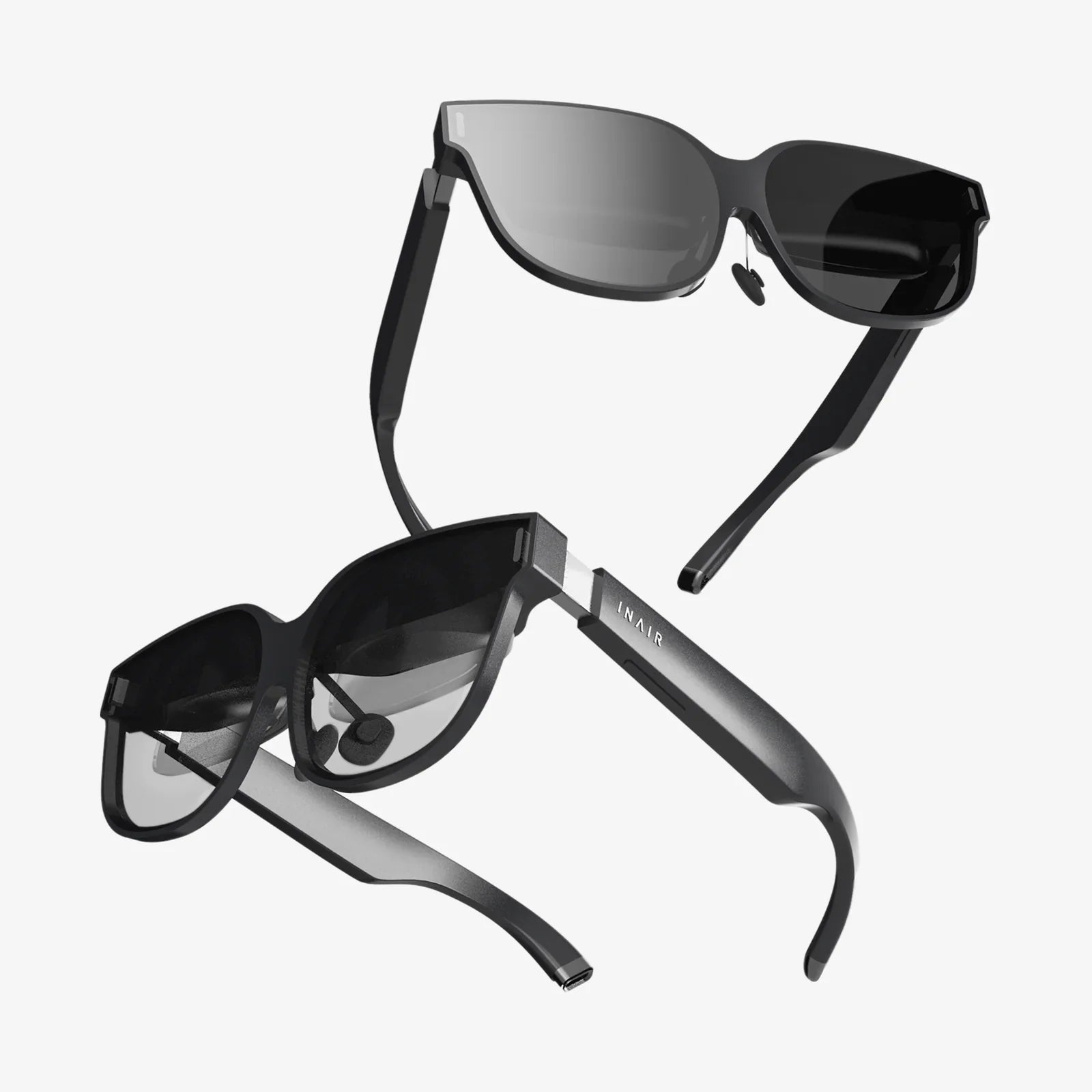
The sleek device on your wrist that tracks your sleep, the discreet sensor in your ear that plays a symphony, the ring on your finger that measures your stress—this is no longer the realm of science fiction. The wearable tech market has erupted from a niche curiosity into a global technological and cultural force, seamlessly weaving itself into the fabric of our daily lives. It’s a silent revolution, one that promises to redefine our relationship with technology, health, and our own bodies. The journey from clunky prototypes to elegant, indispensable companions is a story of relentless innovation, shifting consumer demands, and a vision of a more connected, quantified, and proactive future.
The Meteoric Ascent: From Niche to Necessity
The concept of wearable technology is not new; from the abacus ring to the calculator watch, the desire to portably augment human capability has long existed. However, the modern wearable tech market truly ignited in the early 2010s with the convergence of several critical technologies. The miniaturization of sensors, breakthroughs in low-energy connectivity like Bluetooth, improved battery chemistry, and the universal adoption of powerful smartphones created the perfect storm.
Early devices were primarily focused on fitness. Basic activity trackers that counted steps and estimated calorie burn became a cultural phenomenon, turning data into a motivator for millions. This initial wave demonstrated a massive, pent-up consumer desire for personalized, actionable health insights. It wasn't just about technology; it was about lifestyle, wellness, and a new form of self-awareness.
The market's evolution accelerated rapidly with the introduction of more advanced smartwatches. These devices transcended mere fitness, becoming true extensions of the smartphone. Notifications, calls, music control, and apps migrated to the wrist, offering unparalleled convenience. This shift marked a critical turning point: wearables were no longer single-purpose gadgets but holistic platforms for digital life.
Key Market Drivers Fueling Exponential Growth
The sustained explosion of the wearable tech market is not accidental. It is propelled by a powerful combination of technological, societal, and economic forces.
The Unstoppable Rise of Health Consciousness
Perhaps the most significant driver is a global pivot towards proactive health management. Consumers are increasingly empowered and interested in taking control of their own well-being. Wearables provide the tools to do just that. Continuous heart rate monitoring, sleep stage analysis, blood oxygen saturation (SpO2) tracking, and electrocardiogram (ECG) capabilities have moved from clinical settings to the consumer's wrist. This data democratization allows individuals to spot trends, identify potential issues, and have more informed conversations with healthcare professionals.
Advancements in Sensor Technology and AI
The heart of any wearable is its sensor array. Breakthroughs in micro-electromechanical systems (MEMS) have allowed manufacturers to pack incredibly accurate accelerometers, gyroscopes, optical heart rate monitors, and even temperature sensors into minuscule form factors. This raw data is meaningless without interpretation. This is where artificial intelligence and machine learning come in. Sophisticated algorithms analyze vast datasets to provide context and meaning—differentiating between a swim stroke and a tennis swing, or identifying the subtle variations in heart rate that indicate stress or atrial fibrillation.
Proliferation of the Internet of Things (IoT)
Wearables are arguably the most personal node in the vast IoT ecosystem. They act as a bridge between the user and a network of connected devices—smart homes, smart cars, and smart cities. Your watch can unlock your front door, adjust your thermostat based on your body temperature, or start your car. This interconnectedness enhances utility and creates a sticky ecosystem that increases the value proposition of wearable devices.
Falling Component Costs and Manufacturing Scale
As with any technology, economies of scale and manufacturing improvements have driven costs down, making sophisticated wearables accessible to a much broader audience. This has opened up massive markets in developing economies and allowed for a wider range of products at various price points, from budget-friendly fitness bands to premium luxury smartwatches.
Dissecting the Market Segmentation
The wearable tech market is not a monolith; it is a diverse and rapidly expanding landscape of form factors and functions, each catering to specific user needs.
Wrist-Worn Dominance: Smartwatches and Fitness Trackers
This category remains the largest and most visible segment. It can be broadly split into two sub-categories:
- Smartwatches: These are feature-rich devices running operating systems capable of running third-party apps. They focus on connectivity, notification management, and a wide array of health and fitness features. They typically require daily charging and serve as a companion to a smartphone.
- Fitness Trackers: Often more lightweight and affordable, these devices prioritize health and activity metrics above all else. They boast exceptional battery life, sometimes lasting weeks on a single charge, and offer core functionality like step counting, sleep tracking, and heart rate monitoring in a simpler package.
Hearables: The Sound of Intelligence
This segment has seen explosive growth, evolving far beyond simple wireless audio. Modern hearables, or smart earbuds, incorporate accelerometers for tap controls, microphones for voice assistants and active noise cancellation (ANC), and even biometric sensors for health tracking. Some advanced models offer features like real-time language translation and immersive spatial audio, positioning themselves as indispensable tools for communication, productivity, and entertainment.
Smart Apparel and Footwear
This segment embeds technology directly into clothing and shoes. Sensors woven into fabrics can monitor muscle activity, posture, and breathing rate during athletic performance. Smart shoes can analyze running gait, count steps, or even provide haptic feedback for navigation. While still a emerging niche, it represents the ultimate goal of truly invisible technology.
Smart Glasses and Augmented Reality (AR)
Often considered the next frontier, smart glasses aim to overlay digital information onto the real world. While consumer adoption has been slower than initially predicted, enterprise applications are thriving. Field technicians use them for hands-free manuals, warehouse workers for inventory management, and surgeons for visualizing patient data. The potential for consumer applications in navigation, gaming, and social interaction remains immense.
Medical and Clinical-Grade Wearables
This is arguably the most impactful segment. Regulated by health authorities, these devices are designed for continuous monitoring of specific, often chronic, conditions. Examples include continuous glucose monitors (CGMs) for diabetics, wearable ECG patches for cardiac patients, and smart inhalers for those with asthma. This segment blurs the line between consumer electronics and medical devices, offering the potential to improve patient outcomes and reduce healthcare costs dramatically.
Challenges and Headwinds Facing the Industry
Despite its bright future, the wearable tech market must navigate a complex web of challenges to achieve its full potential.
The Data Privacy and Security Imperative
Wearables collect the most intimate data possible: real-time biological information about your body, location, and daily habits. This creates a treasure trove for hackers and a significant responsibility for manufacturers. Questions about who owns this data, how it is used, whether it is anonymized and aggregated, and if it could be used by insurers or employers are paramount. A major data breach or privacy scandal could severely erode consumer trust and trigger stricter regulation.
Battery Life and the Charging Conundrum
While battery technology has improved, it remains the primary physical constraint. Consumers desire more features but are frustrated by daily charging, especially for devices meant to track sleep. The industry is grappling with this trade-off. Innovations in low-power displays, more efficient chipsets, and alternative charging methods like solar or kinetic energy are critical areas of research. The ideal of a wearable that never needs to be consciously charged remains a key goal.
Market Saturation and Differentiation
In the dominant wrist-worn category, many devices are beginning to feel similar. The incremental addition of new sensors or slightly improved software is struggling to convince users to upgrade as frequently as they once did. Manufacturers face the challenge of creating truly disruptive innovations—whether in form factor, battery life, or killer-app functionality—to reignite growth and justify new purchases.
Regulatory Hurdles for Medical Applications
As wearables aspire to make more serious health claims, they enter the stringent world of medical device regulation. Gaining approval from bodies like the FDA or EMA is a long, expensive, and complex process. Navigating these requirements while maintaining a reasonable pace of innovation and a consumer-friendly price point is a formidable challenge for companies moving into this space.
The Future Horizon: Beyond the Wrist
The next decade will see the wearable tech market evolve from discrete devices to integrated, intelligent systems. The future is not just about what you wear, but how what you wear connects to a broader digital health ecosystem.
We are moving towards multi-device ecosystems where a smart ring tracks your sleep and stress, smart glasses provide contextual information, and hearables translate languages in real-time, all synchronized seamlessly. The device itself will become less visible, fading into the background as the insights it provides come to the fore.
The most profound shift will be from reactive data reporting to proactive and predictive health management. AI will analyze long-term trends to provide personalized recommendations—suggesting you rest based on elevated resting heart rate and poor sleep quality, warning of potential illness before symptoms appear, or nudging you to meditate when stress levels are high. This transition from informatics to actionability is the true endgame.
Furthermore, the integration with telehealth is inevitable. The continuous stream of data from wearables will empower remote patient monitoring on an unprecedented scale, allowing doctors to manage chronic conditions and post-operative recovery outside the clinic, making healthcare more preventive, personalized, and accessible.
Finally, the exploration of new biological interfaces is underway. Brain-computer interfaces (BCIs), though in early stages, aim to allow control of devices through thought alone. These technologies promise to restore function to those with disabilities and could eventually redefine human-computer interaction for everyone.
Imagine a world where your first warning of a potential heart issue isn't chest pain, but a gentle notification from your watch after it detects an irregular rhythm for weeks. Envision smart glasses that overlay translated subtitles onto a conversation with someone speaking another language, dissolving barriers in real-time. Picture a tiny, unnoticeable skin patch that continuously analyzes your blood for biomarkers, alerting you to nutritional deficiencies or the onset of infection before you feel unwell. This is the profound promise of the wearable tech market—not just to connect us to the digital world, but to connect us more deeply to the state of our own being, empowering a healthier, safer, and more informed existence. The revolution on your wrist is just the beginning.
Share:
Best Options for Virtual Meetings: A Guide to Seamless Digital Collaboration
Wearable AI Device News: The Next Evolution in Personal Technology