


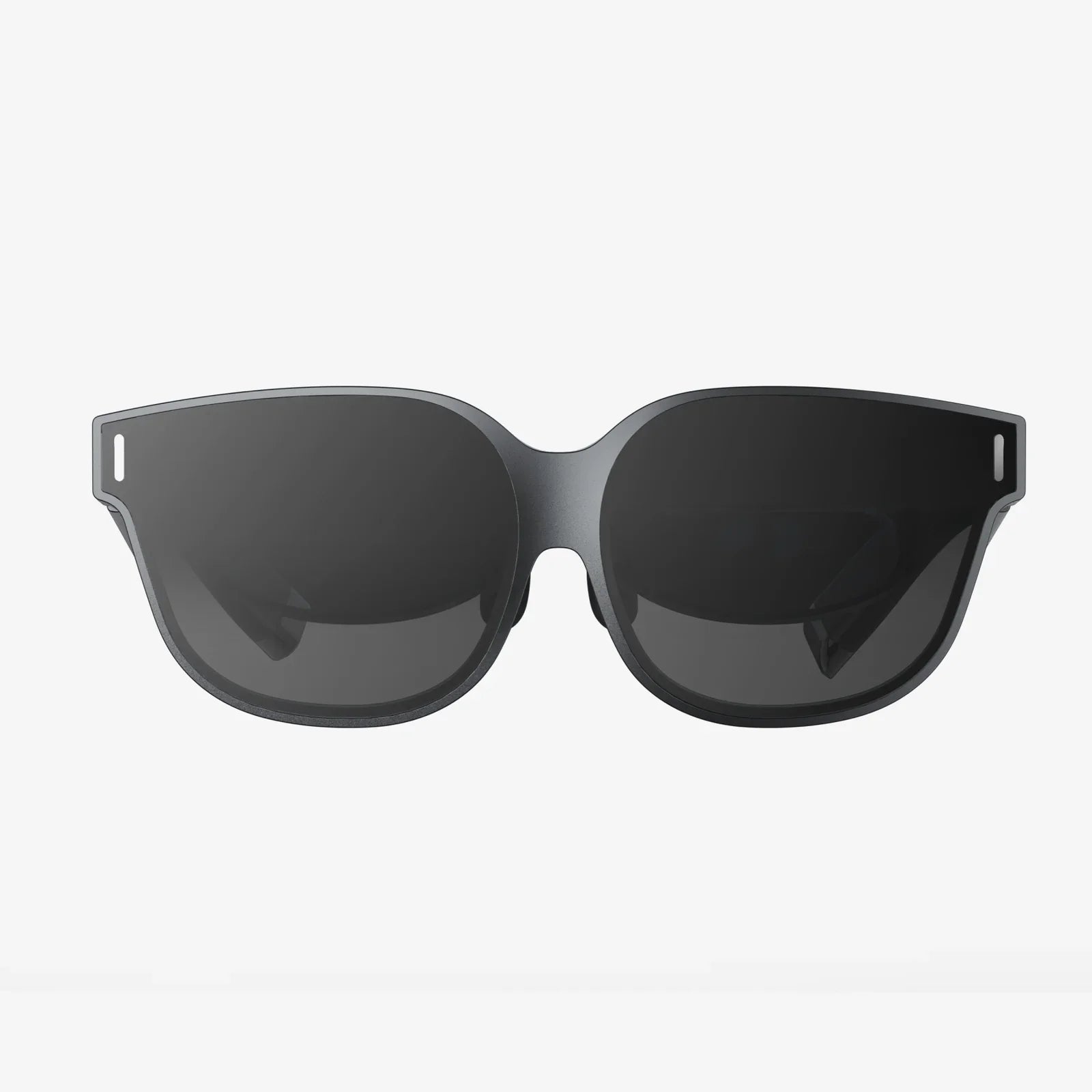
Imagine a world where your watch doesn't just tell time, but tells you about your health; where your ring senses your stress levels before you do, and your clothing can communicate with the environment around you. This is no longer the realm of science fiction but the tangible reality being built, piece by intricate piece, by the modern wearable technologies company. These entities are no longer mere gadget makers; they are the architects of a deeply connected, data-driven, and profoundly personal future, quietly weaving technology into the very fabric of our daily existence. The race is on, and the stakes are nothing less than the future of human-computer interaction.
The Meteoric Evolution: From Pedometers to Prognostic Partners
The journey of the wearable technologies company is a masterclass in rapid innovation. The earliest iterations were simple, single-function devices focused largely on fitness tracking. The primary metric was the step count, a digital echo of the mechanical pedometers of old. This initial phase was crucial, as it successfully introduced the mass market to the concept of self-quantification, creating a cultural shift towards data-aware health and wellness.
However, the landscape began to shift dramatically as sensor technology miniaturized and improved. Accelerometers and gyroscopes were joined by optical heart rate monitors, GPS modules, and later, SpO2 sensors and electrocardiogram (ECG) capabilities. This sensor fusion marked the transition from a wearable technologies company being a fitness accessory manufacturer to becoming a bona fide health and wellness partner. The device on your wrist evolved from a step counter to a sleep tracker, a workout coach, and eventually, a potential guardian capable of alerting you to irregular heart rhythms.
This evolution was paralleled by a diversification in form factors. What began predominantly on the wrist expanded to include smart rings offering discreet, continuous monitoring; smart eyewear overlaying digital information onto the physical world; and smart clothing embedding sensors directly into textiles for unparalleled biomechanical data. This expansion signifies a critical maturation: the understanding that for technology to be truly wearable, it must be seamless, unobtrusive, and adaptable to diverse lifestyles and preferences.
Deconstructing the Core: The Technological Pillars of a Modern Wearable
The sophisticated devices produced today are built upon several interconnected technological pillars. For a wearable technologies company, excellence in each is non-negotiable.
Sensor Fusion and Biometrics
At the heart of every device is a suite of miniature sensors. These are the eyes and ears of the wearable, constantly gathering raw data from the user and their environment. Advanced algorithms then act as the brain, interpreting this cacophony of data points—acceleration, light absorption through the skin, electrical signals, ambient temperature—into coherent and actionable insights like heart rate, blood oxygen levels, sleep stages, and stress scores. The accuracy and reliability of this sensor fusion are paramount, as they form the foundation of user trust.
Power Management and Battery Innovation
Perhaps the most significant constraint faced by a wearable technologies company is power. Users demand devices that last for days or even weeks on a single charge, despite their ever-increasing capabilities. This has driven immense innovation in low-power processors, energy-efficient displays, and sophisticated power management software that intelligently toggles sensors on and off based on need. The holy grail remains the development of new battery technologies and alternative charging methods, such as kinetic energy harvesting or solar charging, to ultimately break the tether of the charging cable entirely.
Connectivity: The Invisible Lifeline
Data is useless in isolation. The value of a wearable is unlocked when it connects to a larger ecosystem. Seamless connectivity via Bluetooth Low Energy (BLE) to a smartphone is standard, enabling data synchronization, notifications, and GPS assistance. The frontier now is standalone connectivity. The integration of cellular modems and eSIM technology allows wearables to operate independently of a phone, enabling features like emergency calling, streaming music directly, and real-time location tracking without a secondary device. This moves the wearable from a companion device to a primary, standalone computing platform.
The Software Ecosystem: Where Data Becomes Wisdom
The hardware is merely a vessel. The true soul of a wearable is its software. A successful wearable technologies company invests heavily in its companion applications and cloud infrastructure. This software is responsible for presenting user data in an intuitive, engaging, and motivating way. It provides context, trends, and personalized recommendations, transforming raw numbers into a narrative about the user's health and habits. Furthermore, many are now developing Application Programming Interfaces (APIs) that allow this valuable health data to be shared securely with third-party apps, healthcare providers, and research institutions, creating a powerful ecosystem of health.
Beyond the Wrist: The Expanding Universe of Wearable Form Factors
While wrist-worn devices dominate the market, the most innovative wearable technologies companies are exploring new frontiers on the human body.
- Smart Rings: Offering 24/7 wearability due to their small size and long battery life, rings excel at continuous health monitoring, particularly for sleep and recovery, with minimal user interaction.
- Smart Eyewear: Moving beyond cameras and audio, next-generation smart glasses aim to integrate Augmented Reality (AR), projecting contextual information onto the real world for navigation, productivity, and immersive experiences.
- Smart Clothing and Textiles: By weaving conductive fibers and sensors directly into fabrics, companies can capture biomechanical data like posture, muscle effort, and breathing patterns with unparalleled accuracy, revolutionizing sports training and physical rehabilitation.
- Hearables: Advanced earbuds now do far more than play music; they offer active noise cancellation, integrated fitness tracking, real-time language translation, and enhanced hearing capabilities.
- Medical and Clinical-Grade Devices: This is where the line between consumer wellness and medical technology blurs. Companies are developing FDA-approved wearables for continuous glucose monitoring, remote patient monitoring for chronic conditions like hypertension and arrhythmia, and even smart patches that administer medication.
Navigating the Storm: Critical Challenges and Ethical Imperatives
The path forward for any wearable technologies company is fraught with complex challenges that extend far beyond engineering.
The Data Privacy Imperative
Wearables collect the most intimate data imaginable: a continuous stream of information about our bodies, our locations, our habits, and our health. This creates an enormous responsibility. A reputable wearable technologies company must implement ironclad security measures, transparent data policies, and give users granular control over their information. The question of who owns this data—the user, the company, or insurers—is a pressing ethical and legal dilemma that the entire industry must address with utmost seriousness. A single data breach could shatter public trust irrevocably.
Bridging the Chasm: Regulatory Approval and Clinical Validation
As devices make increasingly sophisticated health claims, they attract the scrutiny of regulatory bodies like the FDA. Achieving regulatory approval is a costly and time-intensive process, but it is essential for moving from general wellness claims to legitimate medical applications. Furthermore, companies must invest in robust clinical trials to validate their algorithms and ensure their data is not just precise but accurate and clinically meaningful. Without this validation, the risk of misdiagnosis or user complacency based on inaccurate data is dangerously high.
The Human Factor: Design, Accessibility, and the Digital Divide
Technology is only effective if people use it. This means wearables must be designed for all—across ages, abilities, and levels of tech-savviness. Interfaces must be intuitive, and devices must be comfortable and aesthetically pleasing enough for all-day, every-day wear. There is also a risk of exacerbating the digital divide; if the future of healthcare is tied to owning a sophisticated wearable, how do we ensure equitable access for underserved communities?
The Horizon: The Next Decade of Wearable Innovation
The next decade will see the wearable technologies company evolve from making devices we wear to creating environments we live in.
Predictive and Prescriptive Health: Leveraging artificial intelligence and machine learning on vast datasets, wearables will shift from telling you what happened to predicting what might happen. They will move from diagnostics to prognostics, offering prescriptive advice to prevent illness before it manifests, truly enabling a shift from reactive sickcare to proactive healthcare.
Brain-Computer Interfaces (BCIs): While in early stages, BCIs represent the final frontier of wearables. These technologies aim to create a direct communication pathway between the brain and an external device, potentially restoring function to individuals with paralysis or neurological disorders and eventually offering new forms of control and interaction for everyone.
True Ambient Computing: Wearables will become the primary interface for an invisible, ambient computing environment. Your glasses will display information, your ring will authenticate payments, and your clothing will adjust its temperature, all working in concert without you ever needing to take out a phone. The device will fade into the background, and the personalized, contextual experience will become the foreground.
Personalized Nutrition and Biomonitoring: Future devices may be able to non-invasively monitor blood glucose, hydration levels, and even nutrient deficiencies in real-time, providing hyper-personalized dietary recommendations and offering unprecedented insights into how our bodies respond to the food we consume.
The most successful wearable technologies company of tomorrow will not be the one with the most sensors, but the one that best solves human problems with elegance, empathy, and an unwavering ethical compass. They will understand that they are not selling hardware; they are selling understanding, prevention, and ultimately, a better quality of life. The device on your wrist is just the beginning; the real revolution is the invisible, data-driven guardian angel it is poised to become.
Share:
Augmented Reality Glasses with 3D Gesture Control Are Redefining Our Digital and Physical Worlds
Virtual Office Work From Home: The Definitive Guide to Mastering the New Normal