


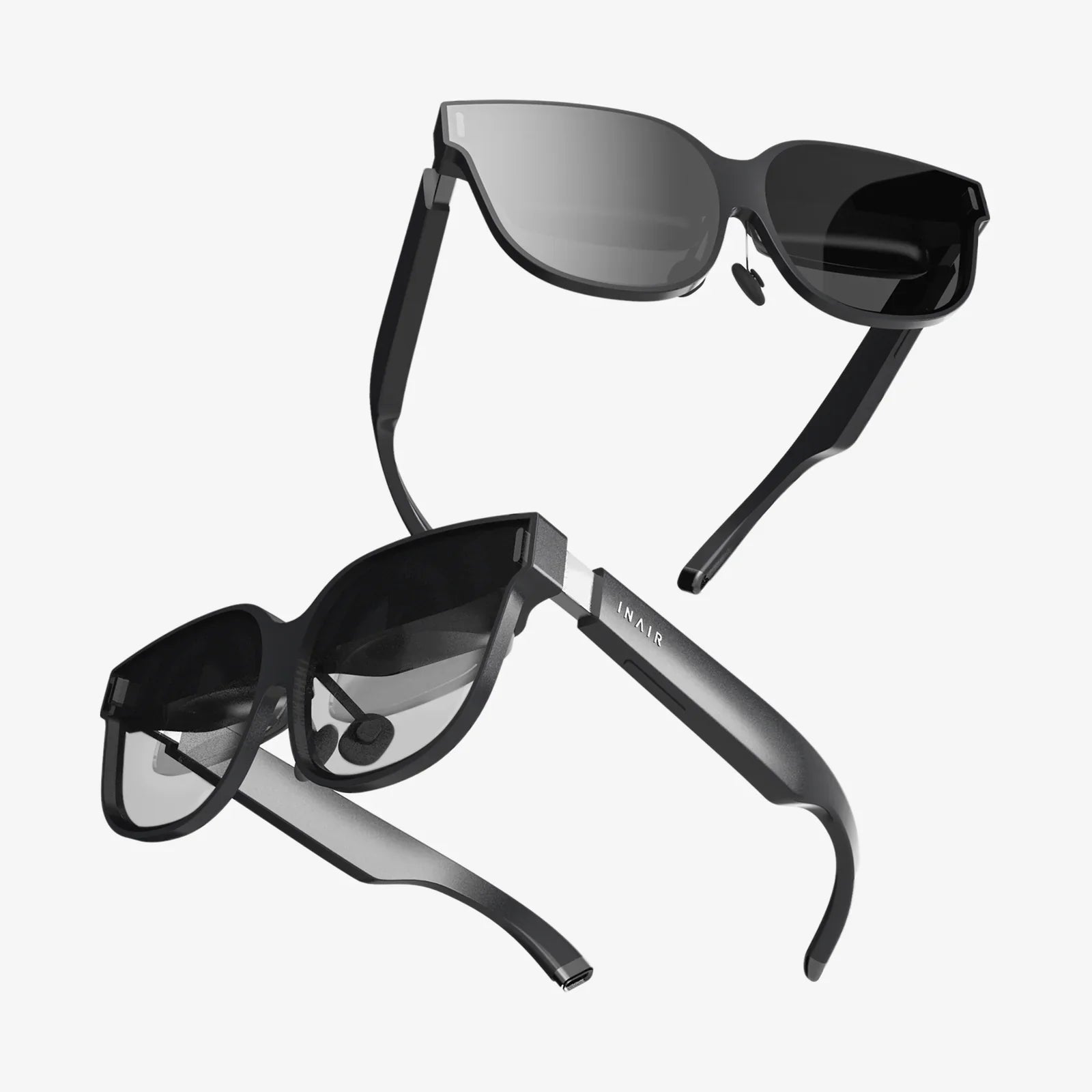
Imagine a world where your morning coffee is brewed to the perfect caffeine level based on your sleep quality, your morning run is guided by a real-time holographic coach, and a subtle, non-invasive patch on your skin detects a potential health anomaly long before you feel any symptoms. This isn't a distant science fiction fantasy; it is the imminent reality of wearable technology in 2025. We stand on the precipice of a revolution where technology will not just be worn but will be woven into the very fabric of our being, moving from the wrist to the body, and eventually, into the background of our lives, creating an ecosystem of anticipatory and personalized intelligence.
The Great Unseen: The Shift from Gadgets to Ambient Integration
The most significant trend defining wearable technology in 2025 is its journey toward invisibility. The bulky smartwatches and obvious fitness trackers of the past decade are giving way to a new generation of devices designed to be felt rather than seen. The form factor is evolving from a statement piece to a seamless integration.
We are witnessing the rise of advanced smart fabrics and electronic textiles (e-textiles). Clothing itself will become the interface. Shirts will monitor respiratory rate and posture, socks will analyze gait and foot pressure distribution for athletes, and hats will track UV exposure. These garments will be machine washable, breathable, and indistinguishable from regular clothing, powered by low-energy harvesting from body heat or movement.
Beyond clothing, miniaturization will lead to sophisticated skin-adherent patches and biosensors. These discreet, stamp-sized devices will continuously monitor a vast array of biomarkers—glucose, lactate, cortisol, hydration levels, and more—transmitting this data seamlessly to personal health platforms. For the consumer, this means moving from sporadic health snapshots to a continuous, streaming video of their physiological state. Jewelry, too, will get smarter. Rings, necklaces, and earrings will house tiny sensors for activity tracking, contactless payments, and even stress monitoring, merging aesthetics with advanced functionality.
This shift to ambient integration signifies a fundamental change in the human-technology relationship. The goal is no longer to interact with a device but to have the device understand and support you without requiring conscious input. The technology fades into the background, empowering the user without demanding their attention.
The Proactive Health Guardian: Revolutionizing Personalized Medicine
If one domain is poised to be utterly transformed by the wearables of 2025, it is healthcare. The industry is shifting from a reactive, sick-care model to a proactive, preventive, and deeply personalized health-care system, and wearables are the cornerstone of this transformation.
The data collected will move beyond heart rate and steps. Multi-sensor arrays will provide a holistic health dashboard. Imagine a device that correlates your blood glucose trends with your sleep phases, stress markers, and activity levels, providing actionable insights not just for diabetics but for anyone looking to optimize their energy and metabolic health. This is the power of continuous, multi-parameter monitoring.
Predictive analytics, supercharged by artificial intelligence, will be the true game-changer. AI algorithms will sift through terabytes of longitudinal personal health data to identify subtle patterns and deviations that are invisible to the human eye. They won't just tell you that your resting heart rate is elevated; they might predict the onset of a common cold 48 hours before the first sniffle, suggest a period of rest to avoid burnout, or flag a cardiac arrhythmia pattern that warrants a pre-emptive consultation with a cardiologist. This moves the focus from diagnosis to early prediction and prevention.
This data-rich environment will also redefine the patient-doctor relationship. Remote patient monitoring will become the standard for managing chronic conditions like hypertension, COPD, and congestive heart failure. Doctors will receive AI-summarized reports of their patients' health trends between appointments, allowing for more informed consultations and timely interventions. Clinical trials will also be revolutionized, with wearables providing real-world, continuous data on drug efficacy and side effects, moving beyond the constrained environment of a clinic.
Beyond the Screen: The Rise of Contextual and Ambient Computing
In 2025, the smartphone will begin to relinquish its central role as the hub of our digital lives. Its functions will be dispersed across a constellation of wearable devices that understand context and provide information ambiently. This is the era of contextual and ambient computing.
Smart glasses, though not necessarily the full augmented reality (AR) visors of the far future, will become more prevalent in specialized and consumer settings. They will offer hands-free access to information—displaying navigation prompts, translating foreign language signs in real-time, or providing维修instructions for a DIY project—all without needing to look down at a phone. The interface will shift from touch to voice, gesture, and eventually, neural input.
Haptic feedback technology will mature, adding a rich, tactile layer to our digital interactions. A smart ring might gently vibrate to guide you to your departure gate at an airport, or a wearable sleeve could simulate the sensation of a handshake during a virtual meeting, enhancing emotional connection in telepresence.
The true intelligence will lie in how these devices work together as a cohesive ecosystem. Your smart glasses might detect you are in a meeting and automatically mute notifications from your smart earrings, which in turn are amplifying the voice of the person speaking across the table while dampening background noise. The system will understand your context—are you sleeping, working, socializing, or exercising?—and adapt its interactions accordingly, providing the right information, at the right time, in the right way.
The Invisible Elephant in the Room: Navigating the Privacy and Ethical Minefield
This brave new world of pervasive, always-on sensing does not come without profound risks. The amount of intimate biological and behavioral data collected by the wearables of 2025 will be unprecedented. This creates a monumental responsibility and a potential minefield of privacy and ethical concerns.
Who owns this incredibly sensitive data? Is it the user, the device manufacturer, the software developer, or the health insurance company? The potential for misuse is staggering. Could this data be used by employers to make hiring decisions? By insurers to adjust premiums or deny coverage based on predicted future health? The line between beneficial monitoring and oppressive surveillance is perilously thin.
Data security becomes a matter of personal safety. A hacked pacemaker is a life-threatening scenario. A breached database containing the continuous physiological data of millions of users is a catastrophe waiting to happen. The industry must adopt military-grade, end-to-end encryption and decentralized data storage models, such as blockchain, where users have sovereign control over their information and grant permission for its use on a case-by-case basis.
Furthermore, the algorithmic bias inherent in AI poses a significant threat. If the models are trained on non-diverse datasets, their predictions and recommendations could be inaccurate or even harmful for underrepresented groups. Ensuring algorithmic fairness and transparency will not be an optional feature but a core requirement for ethical deployment. Robust regulatory frameworks, akin to GDPR for health data, must be established and enforced globally to protect individuals while fostering innovation.
The Human Augmentation Frontier: Redefining Potential
Beyond health and convenience, wearables in 2025 will begin to tap into the realm of human augmentation, enhancing our cognitive and physical capabilities.
Focus-enhancing headbands using neurofeedback will help individuals train their brains for deeper concentration, potentially helping to manage ADHD or simply improve productivity. Exosuits—soft, wearable robotic garments—will move from rehabilitation clinics into industrial and consumer settings, allowing warehouse workers to lift heavy loads without injury or helping hikers carry heavy packs over long distances with reduced fatigue.
This era will also see the rise of closed-loop systems that automatically act upon the data they collect. The most mature example is the artificial pancreas for diabetics, which uses a continuous glucose monitor to instruct an insulin pump to deliver precise doses. By 2025, we could see similar systems for other conditions, such as wearable devices that detect the onset of a panic attack and administer a calibrated calming agent or release a soothing scent.
This pushes wearables from being passive monitors to active partners in managing our well-being, blurring the line between a tool and a treatment. It raises profound questions about what it means to be human and where we draw the line between therapy and enhancement.
The Seamless Ecosystem: Interconnectivity as the Standard
No wearable in 2025 will be an island. Their true power will be unlocked through a seamlessly interconnected ecosystem that includes other wearables, smart home devices, vehicles, and broader city infrastructure.
Your car will know you are stressed from your vital signs and automatically adjust the cabin temperature, play calming music, and enable assisted driving. Your smart home will know you are in a deep sleep phase and will not allow your smartwatch's alarm to go off, instead waiting for a period of light sleep to wake you gently. Your refrigerator might suggest meals based on the micronutrient deficiencies identified by your sweat-analysis patch.
This level of interoperability requires universal, open standards that allow devices from different manufacturers to communicate effortlessly and securely. The industry will need to move away from walled gardens and proprietary systems toward a more collaborative, user-centric model. The winning platforms will be those that offer the most seamless and valuable integrations, creating a unified and intelligent environment that anticipates and serves the user's needs.
The path to 2025 is being paved with smaller, smarter, and more invisible sensors, powerful AI, and an unwavering focus on the human experience. The devices on our wrists today are merely the primitive precursors to the integrated biomechanical partners of tomorrow. This revolution promises to make us healthier, more connected, and more capable than ever before, but it also demands a serious and ongoing conversation about the world we are building. The technology itself is neutral; it is our choices—in design, policy, and ethics—that will determine whether this future is a utopia of human flourishing or a dystopia of constant surveillance. The next chapter of human evolution will not be written in our genes alone, but in the seamless, intelligent layer of technology we choose to weave into our lives.
Share:
Windows Mixed Reality HMD: The Untold Story of a Platform's Promise and Peril
Virtuality Reality Headset: A Portal to New Worlds and a Mirror to Our Own