


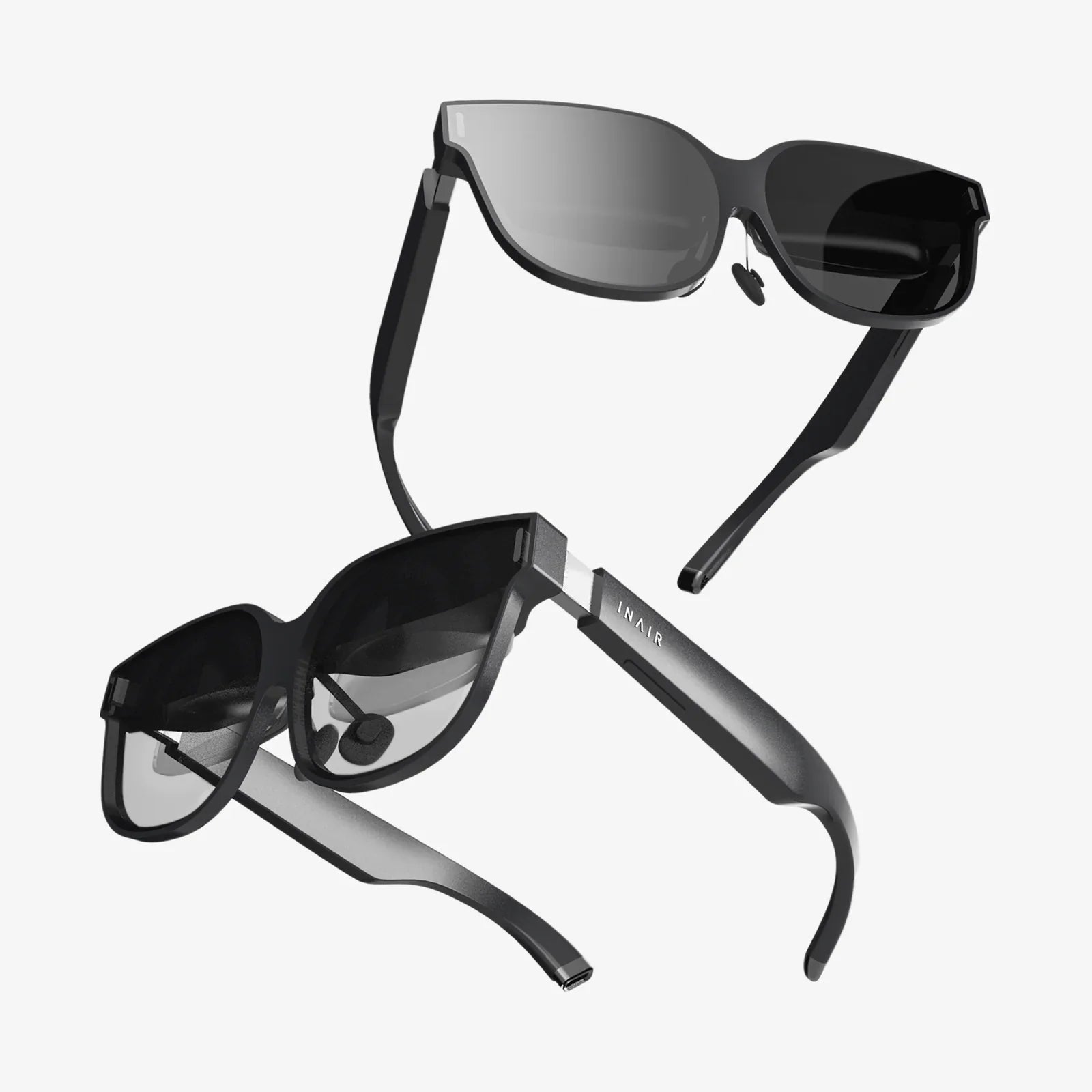
Imagine a world where your morning run is seamlessly logged, your health vitals are continuously monitored, your home adjusts its temperature to your preference as you approach, and your workplace anticipates maintenance needs before a machine fails. This is not a distant science fiction fantasy; it is the emerging reality being woven together by the powerful, symbiotic convergence of wearable technology and the Internet of Things (IoT). This fusion is creating an intricate, intelligent network of connected devices, blurring the lines between our physical selves and the digital realm, and promising to redefine human experience in the 21st century.
The Confluence of Two Technological Titans
To understand the profound impact of this merger, we must first define its core components. The Internet of Things refers to the vast, ever-expanding network of physical objects—from simple sensors to complex machines—that are embedded with software, sensors, and other technologies for the purpose of connecting and exchanging data with other devices and systems over the internet. These 'things' range from ordinary household items like refrigerators and lightbulbs to sophisticated industrial tools and city-wide infrastructure.
Wearable technology, or wearables, represents a specialized and intensely personal subset of the IoT. These are electronic devices designed to be worn on the user's body, either as accessories, implants, or even integrated into clothing. Their primary function is to collect, analyze, and transmit data pertaining to the user and their immediate environment. While fitness trackers and smartwatches are the most recognizable forms, the category extends to smart glasses, hearables, smart fabrics, and medical-grade biosensors.
The true magic happens when these two domains intersect. Wearables act as the human-centric data gateways, the point of contact between the individual and the wider IoT ecosystem. They are the bridge that translates our biological and behavioral patterns into actionable digital information, feeding it into a network that can learn, predict, and respond. This creates a feedback loop where the environment reacts to the human, and the human, in turn, is informed and influenced by the environment.
Transforming Healthcare: From Reactive to Proactive
Perhaps the most significant and life-altering application of this synergy is in the field of healthcare. The traditional model of episodic, reactive medicine—visiting a doctor only when symptoms appear—is being upended by a new paradigm of continuous, proactive health management.
Modern wearables are equipped with an array of sensors capable of tracking a staggering volume of physiological data. Advanced optical heart rate sensors, electrodermal activity (EDA) sensors for stress monitoring, skin temperature sensors, pulse oximeters for blood oxygen levels, and even electrocardiogram (ECG) capabilities are now available on consumer devices. This constant stream of data provides an unprecedented, holistic view of an individual's health, far beyond the snapshot captured during an annual check-up.
This data, when integrated into the broader IoT, enables powerful applications:
- Remote Patient Monitoring: For patients with chronic conditions like diabetes, hypertension, or heart disease, wearables can continuously monitor key vitals. This data is transmitted in real-time to healthcare providers, who can receive alerts for abnormal readings and intervene before a minor issue becomes a critical emergency, reducing hospital readmissions and improving quality of life.
- Early Detection and Prevention: By establishing personalized baselines for each user, AI algorithms can analyze long-term trends to detect subtle deviations that may signal the onset of illness, such as atrial fibrillation or sleep apnea, long before the individual is aware of any symptoms.
- Elderly Care and Aging in Place: Wearables combined with IoT sensors in a home can detect falls, monitor medication adherence, and track activity patterns. This integrated system allows seniors to maintain their independence with the security of knowing that help will be automatically summoned if needed.
This shift empowers individuals to take control of their own well-being, fostering a culture of prevention rather than cure, and alleviating the immense pressure on healthcare systems worldwide.
Redefining Personal Productivity and Lifestyle
Beyond the clinical sphere, the wearable-IoT nexus is seamlessly integrating into our daily routines, enhancing convenience, safety, and efficiency. Our homes, workplaces, and cities are becoming responsive partners in our lives.
The concept of the smart home is a quintessential example. A smartwatch can communicate with a network of connected devices to create a personalized and adaptive living environment. As you wake up, your wearable detects your sleep stage and chooses the optimal moment to gently rouse you with a gradually brightening smart light. It signals the coffee machine to start brewing and the thermostat to adjust to your preferred morning temperature. As you leave for work, a tap on your wrist can lock the doors, arm the security system, and lower the blinds.
In the realm of personal safety, developments are equally impressive. Wearables can serve as panic buttons, instantly sharing location data with emergency contacts. For lone workers in hazardous environments, wearables can detect falls, exposure to toxic gases, or extreme heat, triggering immediate alerts and dispatching assistance.
Even our commutes are being transformed. A wearable device can interface with smart city infrastructure, providing real-time public transit updates, optimizing traffic flow based on collective movement data, or serving as a secure key for car-sharing services and contactless payments for public transport.
Revolutionizing Industrial and Enterprise Operations
The impact of wearables and IoT is not confined to consumer applications; it is driving a new industrial revolution often termed Industry 4.0. Enterprises are leveraging this technology to enhance worker safety, optimize operations, and unlock new levels of efficiency.
In logistics and warehousing, workers equipped with smart glasses can receive hands-free, augmented reality pick-and-pack instructions, seeing digital arrows overlaid on the physical world guiding them to the correct items. This drastically reduces errors and training time. Wearable scanners on a worker's ring or wrist allow for continuous inventory management without interrupting workflow.
On factory floors, wearables are critical for safety. Exoskeletons reduce strain and prevent injuries by providing support for lifting heavy objects. Smart helmets can monitor a worker's vital signs for heat stress or fatigue, while environmental sensors on the same network can detect gas leaks or unsafe conditions, automatically shutting down equipment and guiding workers to safety via alerts on their devices.
For field service technicians, AR-enabled wearables allow remote experts to see what they see and provide visual annotations directly in their field of view, enabling complex repairs to be completed faster and correctly the first time, reducing downtime and the need for costly expert travel.
The Flip Side of the Coin: Navigating Challenges and Ethical Quandaries
For all its promise, the deeply interconnected world of wearables and IoT is not without its profound challenges. The very feature that makes it so powerful—the continuous collection of intimate personal data—also makes it a potential Pandora's box of privacy and security risks.
Data Privacy and Ownership: The question of who owns the incredibly detailed data generated by our bodies is a legal and ethical minefield. This data can reveal not just our health status, but our location, habits, sleep patterns, and even our emotional states. Without clear regulations and transparent user agreements, this information can be exploited for targeted advertising, insurance premium calculations, or even employment decisions, leading to new forms of discrimination and surveillance.
Cybersecurity Vulnerabilities: Every connected device represents a potential entry point for malicious actors. A vulnerability in a smartwatch or a fitness tracker could provide a hacker with a gateway into a home network or, more alarmingly, a medical device like an insulin pump or pacemaker. The stakes are immeasurably high, requiring an uncompromising focus on security-by-design principles and robust encryption at every level of the data journey.
The Human Factor: Dependency and Autonomy: As we become increasingly reliant on these technologies to navigate our world, there is a risk of losing certain innate skills and intuitions. Over-reliance on navigation aids can diminish our natural sense of direction. Constant health monitoring can lead to cyberchondria—anxiety over normal physiological fluctuations. We must carefully consider the balance between technological enhancement and the preservation of human autonomy and resilience.
The Road Ahead: A Future Woven with Intelligence
The evolution of this technology is moving at a breathtaking pace. We are progressing from devices we wear to technology that is intrinsically woven into our being and our environment. The next frontier involves breakthroughs in miniaturization, battery life, and biocompatible materials.
We are moving towards unobtrusive, invisible technology. Smart fabrics with conductive threads will weave sensors directly into clothing, eliminating the need for a separate device. Advanced hearables will not only deliver high-fidelity audio but also continuously monitor health metrics and provide real-time language translation. Brain-computer interfaces, though in early stages, hint at a future where we can control our digital environment with our thoughts alone.
The underlying connectivity enabling all this will also evolve. The rollout of faster, more reliable networks will support the real-time, low-latency communication required for mission-critical applications, from remote surgery to autonomous vehicle coordination.
Ultimately, the goal is to create a calm technology—an ambient intelligence that operates in the background, anticipating our needs and enhancing our capabilities without demanding our constant attention. The technology will fade into the background, and the human experience will move to the foreground.
The seamless dance between the devices on our bodies and the intelligent networks that surround us is quietly constructing a world of unprecedented possibility, where your next move is not just tracked but anticipated, your well-being is constantly safeguarded, and your environment bends to your will before you even utter a command.
Share:
AR How It Works: The Digital Magic Blending Reality and Imagination
What Is The Role of Human Computer Interaction: Bridging Minds and Machines