Imagine a workday where your watch nudges you to take a break moments before burnout sets in, your smart glasses guide you through a complex repair with holographic instructions, and your entire team’s safety is monitored in real-time to prevent accidents before they happen. This is not a scene from a science fiction film; it is the rapidly emerging reality of wearable technology in the workplace. From the factory floor to the corporate office, a quiet revolution is underway, poised to fundamentally alter how we work, collaborate, and stay safe. This integration promises unprecedented gains in efficiency and well-being, but it also navigates a complex labyrinth of ethical dilemmas and privacy concerns that demand our immediate and careful attention.
The Expanding Ecosystem of Workplace Wearables
The term 'wearable technology' conjures images of fitness trackers and smartwatches, but in a professional context, the ecosystem is far more diverse and purpose-built. This technology encompasses a wide range of devices worn on the body, often connected to a network, that collect, analyze, and transmit data to enhance workplace functions.
Common categories include:
-
Wrist-Worn Devices: Smartwatches and specialized bands that monitor vital signs like heart rate, body temperature, and stress levels. They are also used for authentication, receiving task notifications, and enabling contactless payments in corporate cafeterias.
-
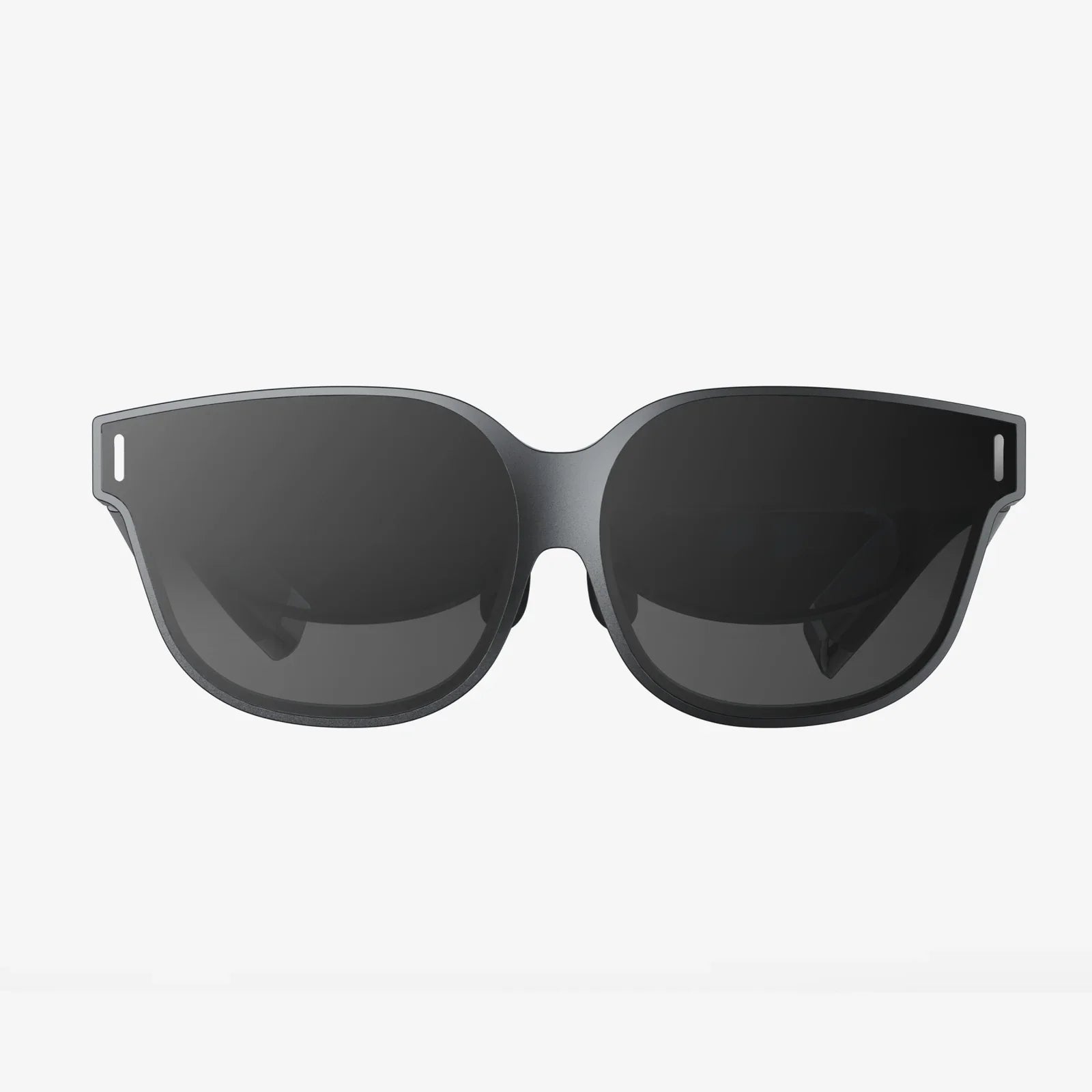
Head-Mounted Displays (HMDs): This includes smart glasses and augmented reality (AR) headsets. They are revolutionary for field service, manufacturing, and training, overlaying digital information—such as schematics, instructions, or remote expert video feeds—onto the user’s real-world view.
-
Smart Clothing and Exoskeletons: Garments embedded with sensors to monitor muscle activity, posture, and fatigue, particularly in logistics and construction. Exoskeletons are wearable robotic suits that support workers in physically demanding jobs, reducing strain and preventing musculoskeletal injuries by providing strength and endurance augmentation.
-
Hearables: Advanced earpieces that go beyond noise cancellation. They can provide real-time language translation, deliver auditory instructions, monitor ambient noise levels to protect hearing, and enhance communication in loud environments.
-
Connected Safety Gear: Hard hats, vests, and safety glasses equipped with sensors to detect falls, exposure to hazardous gases, impacts, or a worker’s proximity to dangerous machinery, triggering immediate alerts.
Driving Forces Behind the Adoption Wave
The surge in interest and implementation of workplace wearables is not arbitrary. It is driven by a powerful confluence of technological, economic, and social factors.
Technologically, the miniaturization of sensors, improvements in battery life, and the proliferation of high-speed, low-latency connectivity like 5G have made reliable and powerful wearables feasible. The cost of these components has decreased significantly, making large-scale deployments economically viable for many organizations.
Economically, businesses are in a perpetual pursuit of operational excellence. Wearables offer a path to optimize workflows, reduce costly errors, minimize downtime, and enhance overall productivity. In sectors facing skilled labor shortages, AR wearables can help less experienced workers perform at a higher level by providing expert guidance remotely, effectively scaling expertise.
Socially and legally, there is a growing emphasis on duty of care. Organizations face increasing pressure, both regulatory and from employees themselves, to provide the safest possible working conditions. Wearables offer a proactive, data-driven approach to occupational health and safety, moving from reacting to incidents to preventing them altogether.
Transforming Health, Safety, and Wellness
Perhaps the most compelling and least controversial application of wearables is in the realm of employee safety and well-being. In high-risk industries, the technology is literally saving lives.
Consider a worker on an oil rig. A wearable gas detector can sample the air continuously and sound an alarm if toxic fumes are detected, allowing for immediate evacuation. A smart vest can monitor their core body temperature and hydration levels, alerting them and a supervisor to the early signs of heat stress. If a worker falls from a height, a built-in sensor can detect the sudden impact and descent, automatically sending their exact GPS location to emergency responders, drastically reducing response time.
Beyond acute dangers, wearables are combating chronic workplace issues. For employees in logistics and manufacturing, exoskeletons are reducing the physical toll of repetitive lifting, bending, and overhead work. This not only prevents immediate injuries but also mitigates long-term musculoskeletal disorders, leading to fewer sick days, lower insurance premiums, and extended career longevity.
In the office environment, the focus shifts to holistic wellness. Wearables can encourage healthy behavior by prompting sedentary employees to stand up and move at regular intervals. By analyzing heart rate variability (HRV) and sleep patterns, they can provide insights into stress levels, suggesting meditation breaks or guiding breathing exercises to manage anxiety. This data, aggregated anonymously, can help organizations identify company-wide stress trends and design better wellness programs, creating a culture that genuinely prioritizes employee health.
Augmenting Productivity and Operational Efficiency
The potential for wearables to streamline operations and boost productivity is vast. They primarily achieve this by delivering the right information to the right person at the right time, hands-free.
In warehouse and logistics settings, smart glasses can revolutionize order picking. Instead of holding a scanner and referring to a paper list, a picker sees order information, bin locations, and optimal routing directly in their field of vision. They can confirm picks with voice commands or a glance, freeing their hands to work more quickly and accurately. This has been shown to significantly increase picking speed while virtually eliminating errors.
For field service technicians and engineers, AR headsets are a game-changer. When repairing complex machinery, a technician can see digital arrows pointing to components, torque specifications floating next to a bolt, and animated instructions for a specific procedure. If they encounter a problem they cannot solve, they can live-stream their point-of-view to a senior expert located anywhere in the world. That expert can then draw annotations—circles, arrows, notes—directly into the technician’s visual field, guiding them through the repair in real-time. This reduces resolution times, minimizes costly recalls, and empowers junior staff to handle more complex jobs.
Even in corporate settings, wearables enhance efficiency. Smart badges can analyze workplace interactions and space utilization, providing insights to optimize office layouts for better collaboration. They can also facilitate seamless authentication, allowing employees to unlock doors, log into computers, and print documents without ever reaching for a keycard or typing a password.
The Other Side of the Coin: Privacy, Ethics, and Trust
For all its benefits, the pervasive data collection inherent in wearable technology casts a long shadow. The same sensors that protect a worker’s health can also be used to monitor their every move, creating a modern-day panopticon that raises profound ethical and legal questions.
The core of the issue is the balance between organizational benefit and individual privacy. When does monitoring safety cross the line into surveillance? Can data on an employee’s location, heart rate, and stress levels be used for performance evaluation? Could it be used to penalize employees deemed "less productive" or "more stressed"? The potential for misuse is significant.
Key challenges include:
-
Informed Consent: Employees must fully understand what data is being collected, how it will be used, who will have access to it, and how long it will be stored. Consent must be freely given and not a condition of employment.
-
Data Ownership and Anonymization: Who owns the biometric data collected—the employee or the employer? Best practices dictate that personal data should be aggregated and anonymized for organizational insights, preventing it from being traced back to individuals for punitive measures.
-
Security: Biometric and location data is highly sensitive. A breach could have severe consequences for employees. Organizations must implement robust cybersecurity measures to protect this data from hackers.
-
The "Black Box" Algorithm: If an AI algorithm analyzes wearable data to flag "unproductive" behavior or "high risk" of injury, can its decision-making be explained? Employees have a right to transparency and to challenge automated decisions that affect them.
Building a successful wearable program is therefore not a technological challenge but a cultural one. It requires unwavering transparency, clear and compassionate policies developed in consultation with employees, and a foundational basis of trust. Without these, even the most well-intentioned program can foster resentment, anxiety, and a culture of mistrust, ultimately undermining its own goals.
Strategies for Successful and Ethical Implementation
For organizations looking to harness the power of wearables, a deliberate and ethical approach is non-negotiable. Success hinges on a strategy that prioritizes people over data.
First, define a clear "why." The goal should be a mutually beneficial value proposition: enhancing safety, reducing physical strain, improving training, or streamlining workflows—not simply increasing surveillance. The purpose must be communicated relentlessly.
Second, prioritize privacy by design. From the outset, choose solutions that incorporate data anonymization, strict access controls, and end-to-end encryption. Establish clear data governance policies that explicitly forbid using individual data for performance reviews or disciplinary action.
Third, foster a culture of co-creation and voluntary adoption. Involve employees and their representatives (e.g., unions) in the selection and piloting process. Address their concerns head-on. Ideally, make participation voluntary, or if mandatory for safety roles, provide absolute clarity on data usage limits. Demonstrate the value to them personally—how it makes their job safer, easier, or more engaging.
Fourth, invest in change management and training. Employees need to be trained not just on how to use the device, but on why it’s being introduced, what data is being collected, and their rights. Managers must be trained to interpret data responsibly and ethically.
Finally, start with a pilot program. Begin with a small, well-defined group and a specific use case. Gather feedback, iterate on the policies, and demonstrate success before scaling the initiative across the organization.
Gazing into the Future of Work
The trajectory of wearable technology points towards even deeper integration. We are moving towards more discrete, seamless, and intelligent devices. Think of smart fabrics woven directly into uniforms, capable of monitoring a wider range of biomarkers, or neural interfaces that allow for control of machinery through thought, albeit this remains a distant and ethically fraught frontier. The convergence of wearables with artificial intelligence will lead to more predictive and contextual insights, moving from telling a worker what is happening now to predicting what will happen next and prescribing optimal actions.
The workplace of the future will likely be a blended environment of physical and digital realities, with wearables serving as our gateway. This will enable truly immersive remote collaboration, where holographic representations of colleagues can interact with physical objects in a room. The potential to create more flexible, inclusive, and efficient workspaces is immense.
The journey of integrating wearable technology into the workplace is just beginning. It is a path filled with incredible promise to create safer, more humane, and more productive work environments. However, this future is not predetermined. It will be shaped by the choices we make today. The organizations that will thrive are those that recognize technology is merely a tool, and its true power is unlocked only when it is implemented with wisdom, empathy, and an unwavering commitment to the people it is designed to serve. They understand that the most important metric of success is not bytes of data collected, but the trust and well-being of their workforce.
The watch on your wrist may soon be your most trusted workplace ally, a guardian angel powered by silicon and sensors. But its true value won't be measured in its processing speed or battery life; it will be measured in the peace of mind it brings, the accidents it prevents, and the invisible, seamless way it helps you not just work, but thrive. The future of work is being worn, and it’s a future that demands we build it not just with code, but with character.