


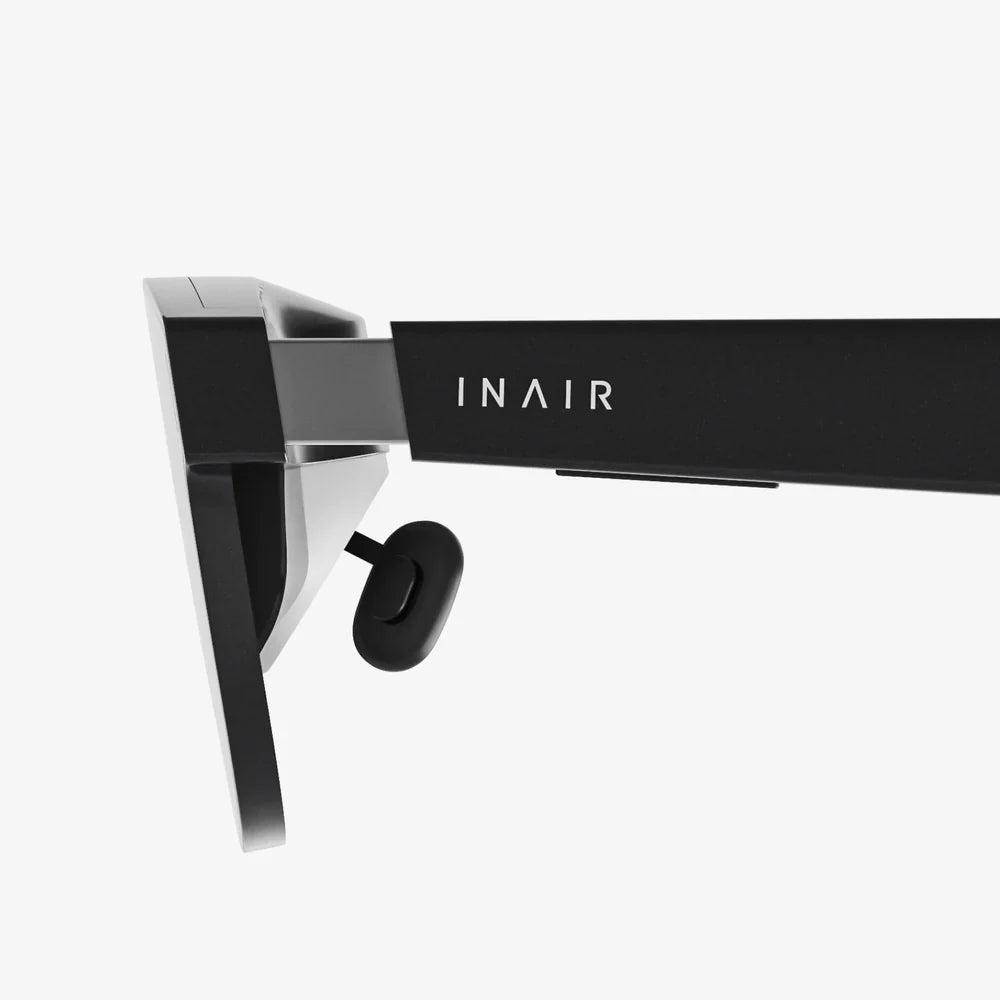
Imagine a world where your shirt monitors your cardiac health, your glasses overlay digital information onto your physical reality, and a discreet sensor gently nudges you to manage stress before you even feel it coming. This is no longer the realm of science fiction; it is the rapidly converging reality being built by the wearable technology industry, an ecosystem exploding with innovation that promises to move far beyond counting steps and into the profound territory of human augmentation.
The Genesis: From Pedometers to Powerhouses
The journey of the modern wearable technology industry is a fascinating tale of convergence. It began with humble, single-purpose devices: the clip-on pedometer of the 1990s, the heart rate monitor strapped to a runner's chest. These were tools for the dedicated athlete or the health-conscious individual. The true inflection point arrived with the mass adoption of the smartphone, which provided the essential infrastructure—connectivity, processing power, and a user interface—that wearables could leverage. Early smartwatches and fitness trackers were, in many ways, satellite devices to the phone.
This symbiotic relationship was crucial. It allowed the wearable technology industry to focus on its core strength: data acquisition. By moving sensors onto the body and into clothing, developers could gather a continuous, intimate stream of biometric and contextual data that a phone in a pocket simply could not. This shift from sporadic checking to continuous monitoring marked a paradigm change in personal data. We were no longer getting snapshots; we were creating a real-time, data-rich movie of our own lives.
The Data Deluge: From Information to Insight
The true engine of the modern wearable is its sensor suite. Today's devices are packed with a sophisticated array of hardware designed to paint a holistic picture of the user:
- Optical Photoplethysmography (PPG): The flashing green LEDs on the underside of a watch that measure heart rate and, increasingly, blood oxygen saturation (SpO2).
- Electrodermal Activity (EDA) Sensors: Measure minute changes in skin conductance to indicate stress levels or emotional arousal.
- Electrocardiogram (ECG): Once confined to clinics, electrodes on devices can now detect atrial fibrillation and other cardiac anomalies.
- Inertial Measurement Units (IMUs): Accelerometers and gyroscopes that track movement, sleep patterns, and even specific exercises.
- Microphones and Ambient Light Sensors: Contextualize the user's environment, from noise pollution to sunlight exposure.
But raw data is meaningless without interpretation. This is where artificial intelligence and machine learning have become the unsung heroes of the wearable technology industry. Advanced algorithms sift through terabytes of noisy, continuous data to identify patterns, establish baselines, and generate actionable insights. They can distinguish between different sleep stages, identify the onset of illness through subtle physiological changes, and even predict potential health events. This transformation of data into personalized, predictive intelligence is what elevates a gadget into a life-augmenting tool.
Revolutionizing the Clinic: The Rise of Digital Health
Perhaps the most significant impact of the wearable technology industry is unfolding in healthcare. We are witnessing the dawn of a new era: continuous, remote patient monitoring. For decades, healthcare has been largely episodic—a patient interacts with the system when they feel sick or during an annual check-up. Wearables are turning this model on its head.
Imagine a patient recovering from heart surgery. Instead of waiting weeks for a follow-up appointment, their physician can monitor their heart rhythm, activity levels, and sleep quality remotely and in real-time. Early signs of complication can be flagged instantly, enabling proactive intervention. This is not a futuristic concept; it is happening now in leading health systems.
This shift empowers patients, moving them from passive recipients of care to active participants in their own health journey. For chronic disease management—diabetes, hypertension, respiratory conditions—wearables provide a constant feedback loop, encouraging medication adherence, lifestyle modifications, and providing a much clearer picture of how daily habits affect long-term health outcomes. The industry's move towards regulatory approvals for these features is a critical step, lending medical credibility and paving the way for integration into formal care pathways and even insurance models.
Form Factor Revolution: Beyond the Wrist
While the wrist remains a popular and practical location, the most exciting innovations are happening elsewhere on the body. The industry is exploring a multitude of form factors, each with unique advantages:
- Smart Rings: Discreet and ideal for continuous wear, especially during sleep, they excel at tracking biometrics like skin temperature and sleep quality without the bulk of a watch.
- Smart Clothing: Textiles embedded with conductive fibers can monitor muscle activity, posture, and respiration across the entire torso, offering insights impossible for a wrist-worn device.
- Hearables: Next-generation earpieces do more than play music; they incorporate heart rate monitoring, translate languages in real-time, and use bone conduction for immersive audio experiences.
- Smart Glasses: Moving from niche enterprise applications (e.g., for warehouse workers or surgeons accessing manuals hands-free) towards consumer augmented reality experiences.
This diversification is key to the industry's growth. The "one device fits all" model is dissolving, replaced by a portfolio of specialized tools tailored to specific needs, contexts, and user preferences. The ultimate goal is ambient computing—where technology fades into the background of our lives, providing insights and assistance without requiring constant conscious interaction.
The Invisible Challenge: Privacy, Security, and the Ethical Abyss
The incredible power of wearables comes with immense responsibility, and the industry faces a critical juncture regarding data. The data collected is not just personal; it is intimate. It's a digital diary of your body, your health, your location, and even your mental state.
Who owns this data? You, the device manufacturer, your employer if it's a corporate wellness program, or your insurance company? How is it being used? Could it be used to deny coverage, influence premiums, or even for targeted advertising based on your emotional state? The potential for misuse is staggering.
Robust cybersecurity is non-negotiable. A breach of a wearable data server is not like a credit card leak; it's a breach of your physiological identity. The industry must adopt a "privacy by design" approach, implementing end-to-end encryption, giving users transparent control over their data, and establishing clear, ethical guidelines for its use. Building and maintaining user trust is the single most important currency for the long-term survival of the wearable technology industry.
The Next Frontier: Brain-Computer Interfaces and True Augmentation
Looking ahead, the boundaries of the wearable technology industry are expanding into what was once unimaginable. The emerging field of non-invasive brain-computer interfaces (BCIs) is perhaps the ultimate expression of this. Devices that read neural activity through the scalp are being developed to help manage conditions like anxiety and depression, control virtual environments, and restore function to those with paralysis.
This points towards a future where wearables are less about tracking and more about modulating and augmenting human capability. They could help us learn faster by optimizing our mental state, enhance our senses, and provide a seamless bridge between our biological selves and the digital world. The line between tool and extension of self will become increasingly blurred.
The wearable on your wrist today is merely the first, clumsy draft of a technology that aims to become an inseparable, intelligent partner in human existence. It’s a bridge to a future where technology doesn’t just live in our pockets, but understands us, empowers us, and helps us become the best versions of ourselves. The next time you glance at your device, remember—you’re not just looking at a screen; you’re looking at the very beginning.
Share:
Leading AR Headsets 2025: The Dawn of a Seamless Digital Reality
Leading AR Headsets 2025: The Dawn of a Seamless Digital Reality