


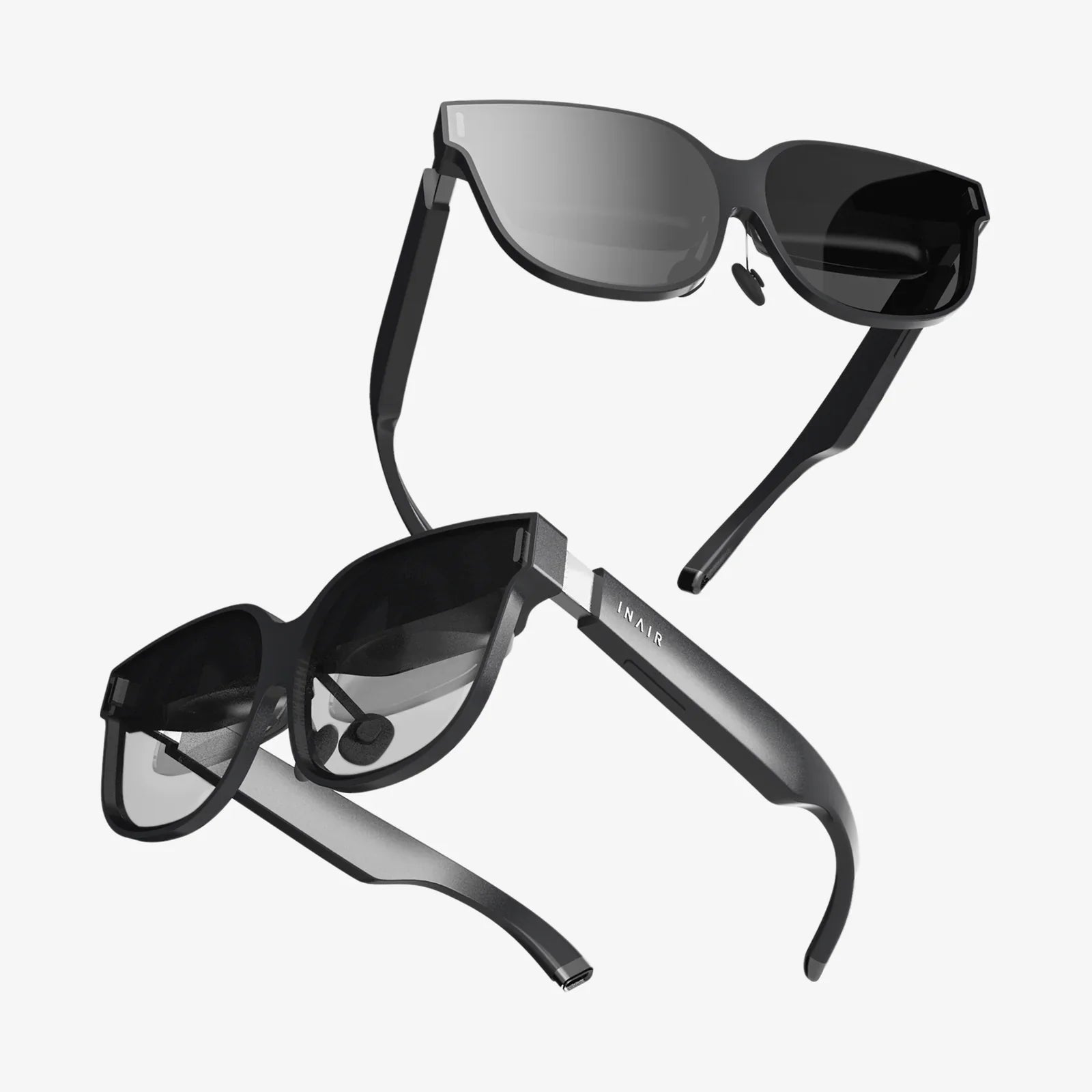
Imagine a world where your clothing monitors your heart's rhythm, your glasses translate foreign street signs in real-time, and a discreet sensor on your skin alerts you to a potential health issue before you feel a single symptom. This is not a distant sci-fi fantasy; it is the rapidly converging reality defined by the ever-expanding wearable technology meaning. The term itself has outgrown its initial, simplistic definition, evolving from a niche gadget category into a profound technological and cultural movement. To truly grasp the wearable technology meaning is to understand a fundamental shift in how we interact with data, our environment, and ultimately, our own humanity. It represents the next chapter in the digital revolution—one that is intimate, personalized, and seamlessly integrated into the fabric of our daily existence.
The Core of the Concept: Defining the Indefinable
At its most fundamental level, wearable technology meaning can be distilled into a simple phrase: electronic devices that are worn on the body, either as accessories or as part of the clothing itself. These devices are equipped with sensors, software, and connectivity features that collect, analyze, and transmit data. However, this technical description barely scratches the surface. The true essence lies in its purpose: to augment human capabilities. This augmentation can be physical, such as exoskeletons that grant superhuman strength; cognitive, like smart glasses that overlay informational graphics onto our field of vision; or sensory, providing insights into our health that our natural senses cannot perceive.
The defining characteristics that separate a true wearable from a portable device are contextual awareness and seamless interaction. A smartphone in your pocket is portable, but it is not contextually aware of your body. A smartwatch, however, knows it is on your wrist. It can sense your movement, your pulse, and your location, using this context to deliver relevant information and functionality without requiring you to stop what you are doing and actively engage with a screen. This hands-free, ambient computing is a cornerstone of the modern wearable technology meaning.
A Journey Through Time: The Evolution of Wearables
The concept of augmenting the body is ancient, from eyeglasses in the 13th century to the abacus ring worn in the 17th century. However, the digital incarnation began in the latter half of the 20th century. The 1960s saw the invention of a wearable computer designed to predict roulette wheels. The 1970s brought the calculator watch, a primitive but iconic fusion of timekeeping and computation. The true catalyst was the 21st century, driven by the miniaturization of sensors, the proliferation of Bluetooth connectivity, and the advent of the smartphone as a central data hub.
The modern era exploded with the rise of the fitness tracker. These devices democratized the wearable technology meaning for the masses, shifting the focus from niche computing to personal well-being. They made data-driven health accessible, popularizing the quantification of steps, sleep, and calories. This was quickly followed by the smartwatch, which expanded functionality to include notifications, communication, and a vast ecosystem of apps. Today, the field is fragmenting and specializing into categories like smart clothing, hearables (advanced wireless earbuds), and medical-grade continuous glucose monitors, pushing the wearable technology meaning far beyond the wrist.
The Technological Pillars: What Makes It Tick?
The magic of wearables is built upon a sophisticated stack of interconnected technologies. Understanding these components is key to appreciating their complexity and potential.
Sensors: The Digital Nervous System
Sensors are the primary interface between the user and the device, the equivalent of our own senses. They are the starting point for all data collection.
- Inertial Measurement Units (IMUs): Combinations of accelerometers and gyroscopes that track movement, orientation, and steps.
- Optical Heart Rate Monitors: Use photoplethysmography (PPG)—flashing green LED light onto the skin—to measure blood flow and calculate heart rate.
- Electrocardiogram (ECG) Sensors: Measure the heart's electrical activity by requiring the user to complete a circuit, often by touching a crown or a dedicated electrode on the device.
- Global Positioning System (GPS): Tracks location and distance for outdoor activities like running and cycling.
- Bioimpedance Sensors: Send a tiny, imperceptible electrical current through the body to measure metrics like body composition and stress levels.
- Microphones and Ambient Light Sensors: Provide context about the user's environment.
Connectivity: The Digital Lifeline
Data is useless in isolation. Connectivity protocols like Bluetooth Low Energy (BLE), Wi-Fi, and cellular (in standalone devices) are the vital arteries that transport data from the wearable to a smartphone or the cloud for processing and storage.
Software and Algorithms: The Digital Brain
Raw sensor data is just noise. The true value is extracted through sophisticated software and machine learning algorithms. These algorithms interpret the chaotic signals from the accelerometer to distinguish between walking and running, analyze heart rate variability to estimate sleep stages, and identify patterns that might indicate atrial fibrillation. This is where data becomes actionable insight, the most crucial output of the wearable technology meaning.
Beyond Fitness: The Expansive Applications
While health and fitness remain a dominant use case, the applications of wearable technology are vast and growing, infiltrating nearly every aspect of modern life.
Healthcare and Clinical Medicine: A Paradigm Shift
This is where wearables are having their most profound impact. The wearable technology meaning in medicine is transitioning from wellness to diagnostics and remote patient monitoring (RPM). Devices can now:
- Continuously monitor chronic conditions like diabetes, cardiac arrhythmias, and hypertension.
- Provide early warning signs of impending medical events, enabling preventative care.
- Allow doctors to monitor patients' recovery outside the clinic, reducing hospital readmissions.
- Empower individuals to take a more active role in managing their health, leading to better outcomes.
Enterprise and Industrial Applications
In warehouses, factories, and on construction sites, wearables are enhancing safety and efficiency. Smart glasses can overlay assembly instructions for workers, keeping their hands free. Wearable sensors can monitor workers' vitals for signs of heat stress or fatigue. Exoskeletons reduce physical strain and prevent injuries, demonstrating a powerful physical dimension of the wearable technology meaning.
Social Interaction and Augmented Reality
Hearables with advanced noise cancellation and spatial audio are changing how we experience sound and communicate. The next frontier is Augmented Reality (AR) glasses, which promise to overlay a digital layer of information onto the physical world, fundamentally changing how we navigate cities, learn new skills, and interact with each other. This represents a ultimate expression of cognitive augmentation.
The Double-Edged Sword: Challenges and Ethical Considerations
The immense potential of wearables is matched by significant challenges that society must address. Ignoring these issues would be a grave misinterpretation of the wearable technology meaning.
Data Privacy and Security: Who Owns Your Body's Data?
Wearables collect the most intimate data possible: the inner workings of your body. This creates a treasure trove for hackers and raises critical questions. Who owns this data? How is it being used? Could it be sold to insurers, employers, or advertisers? Robust cybersecurity and transparent, user-centric data policies are non-negotiable for the sustainable future of this technology.
The Algorithmic Black Box
When a device alerts you to an irregular heart rhythm, it is acting on the judgment of a proprietary algorithm. How do we know these algorithms are accurate and unbiased? The lack of regulatory oversight and transparency for many of these diagnostic algorithms is a major concern, potentially leading to false positives, unnecessary anxiety, or missed diagnoses.
Societal Impact and the Digital Divide
There is a risk of exacerbating health inequalities if these technologies remain accessible only to the wealthy. Furthermore, the constant quantification of the self can lead to obsession, anxiety, and a condition often called "quantified self-induced anxiety," where individuals become slaves to their data, potentially harming their mental well-being.
Glimpsing the Horizon: The Future of Wearables
The future of wearable technology meaning points towards even greater integration and invisibility. The goal is to move from devices we wear to technology we live with.
We are moving towards smart fabrics and electronic textiles (e-textiles), where sensors are woven directly into the fibers of clothing, making the technology disappear. The development of flexible, stretchable electronics and biodegradable batteries will enable long-term, comfortable wear. Brain-computer interfaces (BCIs), though in early stages, represent the final frontier—wearables that can read neural signals, offering new possibilities for communication and controlling the world around us, potentially restoring function to those with paralysis.
The endpoint of this evolution is a state of ambient intelligence, where technology recedes into the background of our lives, proactively and seamlessly assisting us without ever requiring a command. It will be a symbiotic relationship where technology understands our context, our needs, and our bodies better than we do ourselves, acting as a true guardian of our health and an enhancer of our human experience.
The journey to understand wearable technology meaning is to map the convergence of biology and technology, of data and humanity. It’s a story that began on our wrists but is rapidly weaving itself into the very clothes on our backs and the lenses before our eyes, promising a future where our potential is limited not by our physical form, but only by the boundaries of our imagination. The next time you glance at a device on your wrist, remember—you’re not just looking at a gadget; you’re witnessing the dawn of a new, augmented human era.
Share:
Complete VR Setup: Your Ultimate Guide to Building an Immersive Virtual World
VR Pros: Unveiling the Professional and Personal Advantages of Virtual Reality