


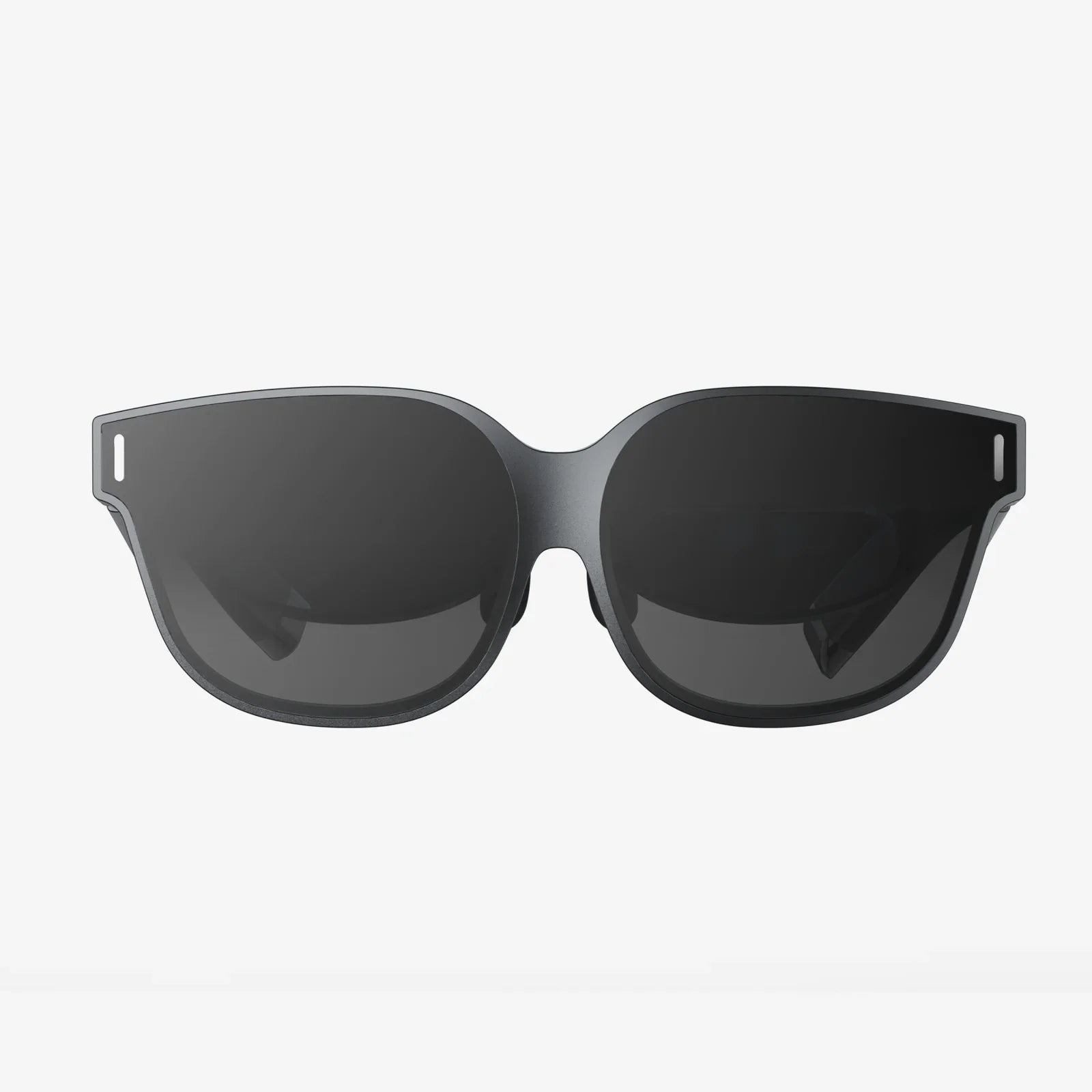
Imagine a world where your watch not only tells time but also warns you of an irregular heartbeat, where your glasses translate foreign street signs in real-time, and where your clothing can monitor your posture and stress levels throughout the day. This is not a glimpse into a distant sci-fi future; this is the present reality, powered by the relentless and fascinating evolution of wearable technology. From humble beginnings to becoming a central pillar of the modern digital lifestyle, wearables are quietly orchestrating a revolution, one sensor at a time, transforming our very bodies into portals of data and interaction.
The Genesis: From Calculators to Connected Ecosystems
The story of wearables is older than most realize. While the current boom feels recent, the conceptual seeds were planted decades ago. The 1970s saw the introduction of the first calculator wristwatch, a marvel that fused timekeeping with basic computation. This was a primitive but powerful proof of concept: technology could be miniaturized and worn. The journey continued through the 1980s and 1990s with digital diaries, early wireless headsets, and even experiments like Steve Mann's pioneering work in wearable computing, which laid the groundwork for augmented reality. However, these were largely niche products, often clunky, expensive, and lacking a cohesive ecosystem to make them truly indispensable.
The true inflection point arrived with the confluence of several technological advancements. The smartphone revolution provided a always-connected hub that wearables could leverage. breakthroughs in micro-electromechanical systems (MEMS) allowed for tiny, powerful, and cheap accelerometers and gyroscopes to be embedded into devices. advances in battery chemistry and low-energy Bluetooth protocols finally offered a balance between functionality and battery life. This perfect storm enabled the first wave of modern wearables: the fitness tracker. These devices democratized health data, making step counting and sleep tracking accessible to the masses and igniting a global fascination with quantified self-metrics.
Beyond the Wrist: The Expanding Universe of Form Factors
While smartwatches and fitness bands dominate the market, the definition of wearable technology is expanding at an exponential rate, exploring every conceivable point of contact with the human body.
Smartwatches: The Command Center on Your Wrist
The modern smartwatch has evolved far beyond a mere notification mirror for your phone. It has become a comprehensive health and fitness companion, capable of tracking workouts with military precision, monitoring blood oxygen levels, performing electrocardiograms (ECG), and even measuring skin temperature. It is a contactless payment terminal, a music player, a navigation aid, and a personal safety device with fall detection and emergency SOS features. It is, effectively, the most personal computer one can own.
Hearables: Intelligent Sound and Beyond
Wireless earbuds and headphones have shed their passive role to become "hearables." They now feature active noise cancellation to create pockets of tranquility, transparent modes to augment hearing, and instant language translation. Advanced sensors are turning them into health tools, capable of monitoring heart rate through blood flow in the ear and improving balance for older adults. They are becoming intelligent auditory interfaces between us and our environments.
Smart Apparel and Biometric Clothing
The integration of technology into fabric is creating a new category of wearables that is invisible and intuitive. Shirts with woven-in sensors can monitor respiratory rate and muscle activity for athletes. Socks can analyze a runner's gait to prevent injury. Smart shoes can track distance and pace without a phone. This fusion of textiles and technology promises a future where monitoring our health is as effortless as getting dressed.
Smart Eyewear: Augmenting Your Vision
Moving beyond early missteps, smart glasses are finding their purpose in enterprise and niche consumer applications. They provide hands-free access to information for warehouse workers, surgeons, and field technicians, displaying schematics, instructions, or data directly in their line of sight. Consumer-focused models are increasingly focused on augmented reality (AR), overlaying digital information onto the real world for navigation, gaming, and immersive experiences.
Medical and Clinical-Grade Devices
Perhaps the most profound impact is in healthcare. Continuous Glucose Monitors (CGMs) have revolutionized diabetes management, providing real-time blood sugar readings without finger-prick tests. Smart patches can deliver drugs transdermally and monitor patient adherence. These FDA-approved devices are moving healthcare from reactive and episodic to proactive and continuous, enabling remote patient monitoring and empowering individuals with unprecedented insights into their own bodies.
The Engine Room: Core Technologies Powering the Revolution
The magic of wearables is underpinned by a suite of sophisticated technologies working in harmony.
- Sensors: The heart of any wearable. This includes optical heart rate sensors, accelerometers, gyroscopes, GPS, bioimpedance sensors for body composition, ambient light sensors, microphones, and emerging sensors like those for ECG and blood pressure.
- Connectivity: Low-energy protocols like Bluetooth Low Energy (BLE) are essential for maintaining a constant, power-efficient link to a smartphone or Wi-Fi network, enabling real-time data sync and notifications.
- Artificial Intelligence and Machine Learning: Raw sensor data is meaningless without interpretation. AI and ML algorithms are the brains that identify patterns, detect anomalies like atrial fibrillation, provide personalized fitness coaching, and predict user intent.
- Battery Technology and Power Management: The eternal challenge. Advances in lithium-ion density, the adoption of low-power displays, and sophisticated power management software that shuts down unused components are crucial for achieving multi-day battery life.
- Edge Computing: To preserve battery and increase speed, more processing is happening on the device itself (on the "edge") rather than constantly sending data to the cloud. This allows for instant alerts for health anomalies, even without a phone connection.
The Double-Edged Sword: Privacy, Security, and the Data Dilemma
The very nature of wearables makes them incredible data collection tools. They are with us 24/7, recording our most intimate details: where we go, how we sleep, our heart rhythms, and even our conversations. This creates a significant responsibility and a host of ethical concerns.
Who owns this incredibly personal data? Is it the user, the device manufacturer, or the software developer? How is it being aggregated, anonymized, and used? Could health data be used by insurers or employers to discriminate? Could location data be subpoenaed in legal cases? The security of these devices is also paramount; a vulnerability in a smartwatch could be a gateway to a user's entire digital life.
Addressing these concerns requires robust, transparent data governance policies from companies, clear regulations from governments, and greater digital literacy among users to understand and control what they are sharing. The future of wearables depends on building trust as much as it depends on building better hardware.
The Horizon: What's Next for Wearable Technology?
The trajectory points towards even deeper integration. We are moving from devices we wear to technology that is woven into our very being.
- Advanced Biomarkers: Non-invasive monitoring of biomarkers like cortisol (stress), lactate, blood alcohol content, and more through sweat, saliva, or tears.
- Brain-Computer Interfaces (BCIs): Companies are developing wearables that can interpret neural signals, potentially allowing users to control devices with their thoughts, which has immense implications for accessibility and human-computer interaction.
- True Digital Twins: Wearables will feed continuous, real-time health data into AI-powered "digital twins"—virtual replicas of our bodies. This model could predict our individual response to a medication, a workout plan, or a dietary change before we even try it, ushering in an era of hyper-personalized medicine and wellness.
- Contextual and Ambient Computing: Wearables will fade into the background, acting as passive, always-aware assistants that anticipate our needs based on our location, biometric state, and schedule without needing to be actively queried.
The line between human and machine is softening, not in a dystopian sense of cyborgs, but in a pragmatic fusion that enhances our human experience. Wearable technology is the bridge. It is giving us a previously unimaginable window into our own health, connecting us to information and to each other in more seamless ways, and empowering us to live healthier, safer, and more efficient lives. The revolution is not coming; it is already here, ticking on your wrist, resting in your ears, and being woven into the fabric of your tomorrow. The question is no longer if you will adopt it, but how deeply you will allow it to enhance your human potential.
Share:
Black Headphones Wireless: The Ultimate Guide to Unparalleled Audio Freedom
Virtual Office Meeting Room: The Future of Collaboration is Here