


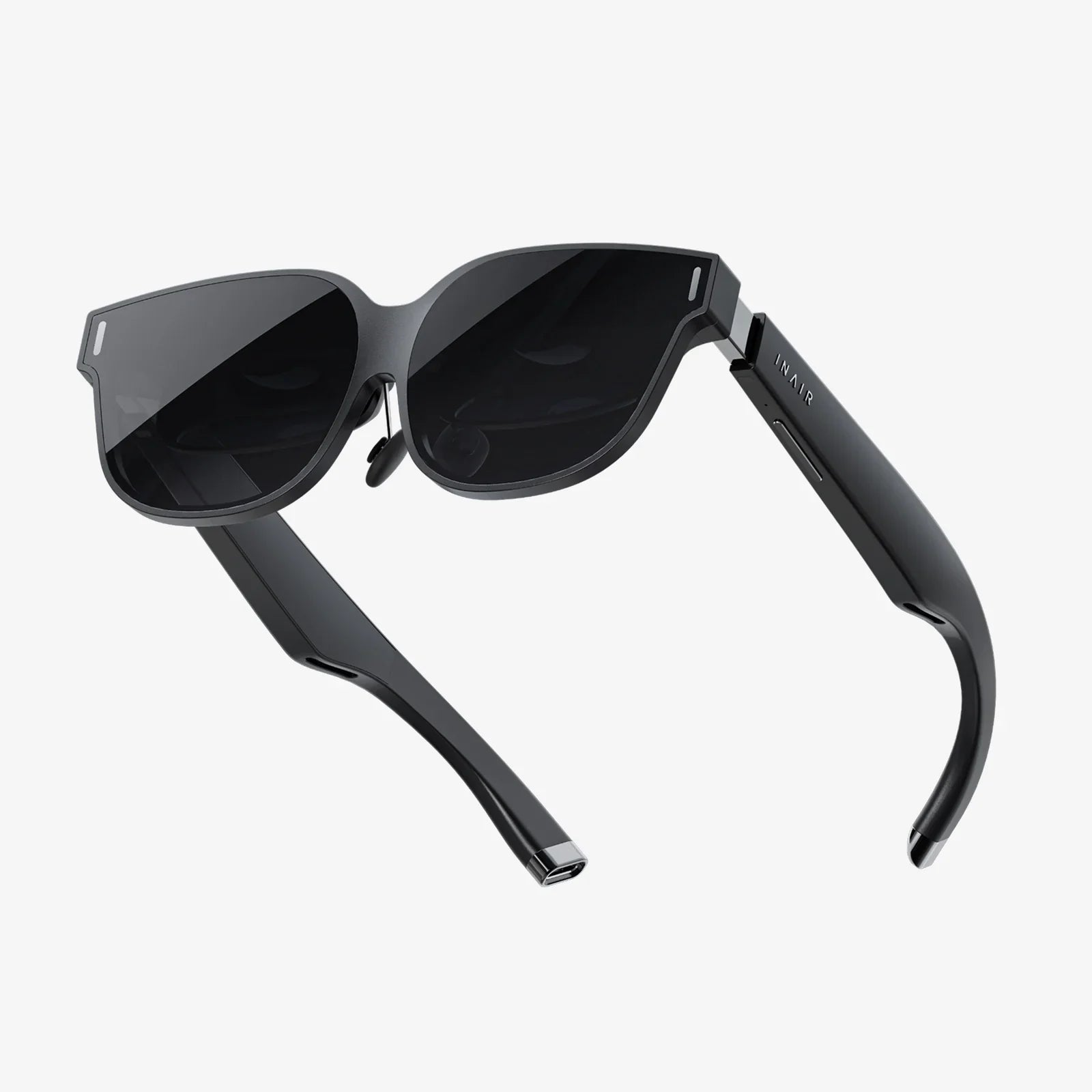
Imagine a world where your tools don’t just sit in your toolbox or on your workbench; they are a seamless extension of your body, anticipating your needs, enhancing your senses, and empowering you to perform tasks with unprecedented precision and efficiency. This is no longer the realm of science fiction. The quiet revolution of wearable tools is already upon us, fundamentally reshaping how we interact with both the digital and physical worlds, from the factory floor to the operating room, and from our morning run to our daily commute.
The Evolution From Accessory to Essential Tool
The journey of wearable technology began with humble origins. Early iterations were often clunky, single-purpose devices that prioritized novelty over genuine utility. They were seen as accessories, interesting gadgets for tech enthusiasts but not yet critical components of our daily lives or professional workflows. The pivotal shift occurred when the focus moved from mere data collection to actionable intelligence and physical augmentation. These devices ceased to be passive observers and became active participants—true tools in every sense of the word.
This transformation was fueled by advancements in several key areas. The relentless miniaturization of sensors allowed for more powerful capabilities to be packed into smaller, less obtrusive form factors. Breakthroughs in battery technology and low-power computing extended operational life, making it possible to wear these tools for an entire workday or longer without interruption. Furthermore, the proliferation of high-speed connectivity, including 5G and Bluetooth, enabled these devices to become nodes in a vast network, pulling data from the cloud and communicating with other systems in real-time. This convergence of hardware and software has given birth to a new class of technology that is intimately personal, context-aware, and powerfully transformative.
Augmenting Human Capability in the Professional Sphere
Nowhere is the impact of wearable tools more immediately tangible than in industrial and enterprise settings. Here, the goal is clear: to enhance human skill, improve safety, and drive operational efficiency to new heights.
The Connected Frontline Worker
For the modern frontline worker, wearable tools are becoming as essential as a hard hat or safety gloves. Smart glasses, for instance, can overlay digital schematics, instructional videos, or real-time data directly onto a technician’s field of view. This allows for hands-free operation, reducing errors and significantly speeding up complex assembly or repair tasks. A engineer servicing a piece of machinery can see torque specifications and step-by-step guides without ever looking away from their work, while a warehouse picker can receive optimal routing information directly in their line of sight, streamlining the fulfillment process.
Enhanced Safety and Monitoring
Safety is being revolutionized through wearables. Devices can now monitor a worker’s vital signs, detecting signs of heat stress, fatigue, or exposure to toxic gases. They can alert the individual and a safety supervisor before a situation becomes critical. Exoskeletons, another form of wearable tool, are reducing physical strain and preventing injuries by providing support to workers performing repetitive heavy lifting, effectively augmenting their physical strength and endurance. This not only protects employees but also reduces downtime and associated costs.
Precision and Training
In highly skilled fields like surgery, wearable tools are enabling new levels of precision. Advanced systems can provide surgeons with enhanced visualizations of patient anatomy during procedures, leading to better outcomes. Furthermore, these tools are incredible for training and remote collaboration. A seasoned expert can see what a junior technician sees thousands of miles away and provide visual annotations and guidance in real-time, effectively democratizing expertise and accelerating skill development.
The Seamless Integration Into Daily Life
Beyond the workplace, wearable tools are weaving themselves into the very fabric of our everyday existence, acting as personal assistants, health guardians, and gateways to new experiences.
The Quantified Self and Proactive Health
The most widespread adoption of wearable tools has been in the health and wellness domain. What started with basic step counting has evolved into sophisticated health monitoring platforms. Modern devices can track a staggering array of biometric data: heart rate variability, blood oxygen levels, sleep stages, and even electrocardiogram readings. This shift from general fitness to specific health monitoring is profound. These tools are moving from telling us how active we are to providing early warnings of potential atrial fibrillation, detecting falls and automatically calling for help, or monitoring long-term trends that can be shared with a physician to inform better care. They are empowering individuals to take a proactive, rather than reactive, approach to their well-being.
Contextual and Ambient Computing
The next frontier for consumer wearables is ambient computing—where technology recedes into the background of our lives, providing information and functionality only when needed and in the most intuitive way possible. A smart ring might vibrate to notify you of an important message, allowing you to stay present in a conversation without constantly checking a phone. A wearable device could automatically adjust the temperature and lighting in your home as it detects you arriving, or provide subtle navigational cues through haptic feedback as you walk through a city, freeing you from staring at a screen. This represents a move away from technology that demands our attention to technology that quietly serves us.
Immersive Experiences and Social Connection
Wearable tools are also the primary interface for immersive technologies like augmented and virtual reality. They offer entirely new paradigms for entertainment, education, and social connection. Instead of watching a concert on a flat screen, you could feel like you are in the front row through a VR headset. Families separated by geography could share a virtual space where they can play games and interact as if they were physically together. These tools have the potential to collapse distance and create shared experiences that were previously impossible.
Navigating the Challenges and Ethical Considerations
This rapidly advancing field is not without its significant challenges and thorny ethical dilemmas. As we embrace these powerful tools, we must consciously and carefully address the accompanying risks.
The Paramount Issue of Data Privacy
Wearable tools, by their very nature, collect deeply intimate data. They know where we are, how we sleep, our heart rate during a stressful meeting, and perhaps soon, our blood sugar levels. This creates a treasure trove of personal information that is incredibly valuable and must be protected with the utmost rigor. Questions of who owns this data, how it is used, who it is sold to, and how it is secured are paramount. The potential for misuse by corporations, insurers, or malicious actors is a serious concern that requires robust legal frameworks and transparent corporate policies.
The Digital Divide and Accessibility
As these tools become more integrated into professional and healthcare systems, a new form of digital divide emerges. There is a risk that the economic and social advantages conferred by advanced wearables—such as access to better jobs that require augmented training or superior health monitoring—could become available only to those who can afford them. Ensuring that this technology is accessible and does not exacerbate existing inequalities is a critical societal challenge.
The Human Experience and Dependency
There are also philosophical questions about the impact of constant connectivity and augmentation on the human experience. Does offloading cognitive tasks—like navigation or memory—to a device diminish our own innate abilities? Could an over-reliance on biometric data lead to health anxiety? Furthermore, the always-on nature of some wearables threatens to blur the lines between work and personal life even further. Establishing digital boundaries and maintaining our capacity for undirected thought and disconnection will be essential for our mental and emotional well-being in an increasingly wearable world.
The Future Forged on Our Wrists, Fingers, and Heads
The trajectory of wearable tools points toward even deeper integration. We are moving toward devices that are virtually indistinguishable from ordinary jewelry or clothing—think smart fabrics that can monitor posture and muscle activity, or unobtrusive hearing aids that can also translate languages in real-time. The convergence with artificial intelligence will be key, transforming these devices from reactive monitors into predictive partners that can offer insights and suggestions before we even identify a need ourselves. The ultimate goal is a seamless, intuitive, and empowering symbiosis between human and tool.
The age of passive technology is ending. We are entering an era of intelligent, responsive, and deeply personal tools that we wear. This is not just about counting steps or getting notifications on your wrist; it is about fundamentally expanding human potential, redefining safety and efficiency in the workplace, and taking a revolutionary leap in managing our personal health. The tools are no longer in our hands; they are becoming a part of us, and they are poised to change everything about how we live, work, and connect. The future is not in your pocket—it’s on your wrist, in your ears, and before your eyes, waiting to be unlocked.
Share:
Best Smart Glasses 2025 India Buy: Your Ultimate Guide to the Future on Your Face
Digital Product Display: The Ultimate Guide to Captivating Your Online Audience