


Imagine a world where your clothing monitors your posture, your ring tracks your sleep, and your glasses translate conversations in real-time. This isn't a glimpse into a distant sci-fi future; it's the reality being built today by the most exciting wearable trends. The devices we strap to our wrists, slip on our fingers, and weave into our fabrics are evolving at a breathtaking pace, moving beyond simple step counters to become indispensable, intelligent partners in our daily lives. The trajectory is clear: wearables are becoming more integrated, more intuitive, and more intimately connected to our personal well-being than ever before. The next wave of technology isn't in your pocket; it's on you.
The Maturation of Health and Wellness: From Data to Diagnostics
The foundational trend for wearables remains their role as guardians of our health. However, the focus has dramatically shifted from mere quantified self—the simple act of collecting data—to qualified self, which involves deriving actionable, clinically relevant insights from that data. Early devices told users how many steps they took; the next generation aims to predict a potential health event before it happens.
This is powered by a proliferation of new sensors and advanced algorithms. While photoplethysmography (PPG) sensors for heart rate are now standard, we are seeing the adoption of:
- Electrocardiogram (ECG/EKG) Apps: Once found only in medical clinics, ECG functionality is now available on numerous wrist-worn devices, allowing users to take a medical-grade reading to detect signs of atrial fibrillation (AFib) on demand.
- Blood Oxygen Saturation (SpO2) Monitoring: This sensor measures the oxygen levels in your blood, a key metric for understanding respiratory health, sleep apnea, and overall wellness.
- Skin Temperature Sensors: Continuous wrist-based temperature tracking can identify subtle variations that may indicate the onset of illness, stress, or, for women, track ovulation cycles.
- Electrodermal Activity (EDA) Sensors: These measure minute changes in sweat levels, which is a key indicator of the body's response to stress, enabling devices to guide users through mindfulness exercises.
The true power lies not in the sensors themselves, but in the artificial intelligence and machine learning that analyze the vast datasets they collect. By establishing personalized baselines over time, these systems can detect anomalies, provide early warnings, and offer personalized recommendations. The trend is moving wearables from reactive tools to proactive health partners, potentially easing the burden on healthcare systems by enabling preventative care and remote patient monitoring.
Form Factor Revolution: Beyond the Wrist
For a decade, the smartwatch has been the undisputed king of wearables. While it remains dominant, the most significant trend is the explosion of new form factors designed for specific use cases and user preferences.
The Rise of the Smart Ring
Smart rings represent one of the fastest-growing categories. Their appeal lies in their minimalism, continuous wearability (especially during sleep), and discreet nature. They excel at long-term, passive health tracking—particularly sleep—as they are less obtrusive than a watch. The limited surface area presents engineering challenges, but advances in battery technology and sensor miniaturization are making them powerful health monitors that you barely notice you're wearing.
Smart Audio and Hearables
Earbuds have evolved far beyond their audio-streaming purpose. They are now packed with sensors for heart rate monitoring, integrated with accelerometers for motion tracking, and feature advanced transparency modes and active noise cancellation (ANC) that can be tailored to your environment. The next frontier is making them a primary hub for augmented reality (AR) audio, delivering contextual information and translations directly into our ears.
Smart Eyewear
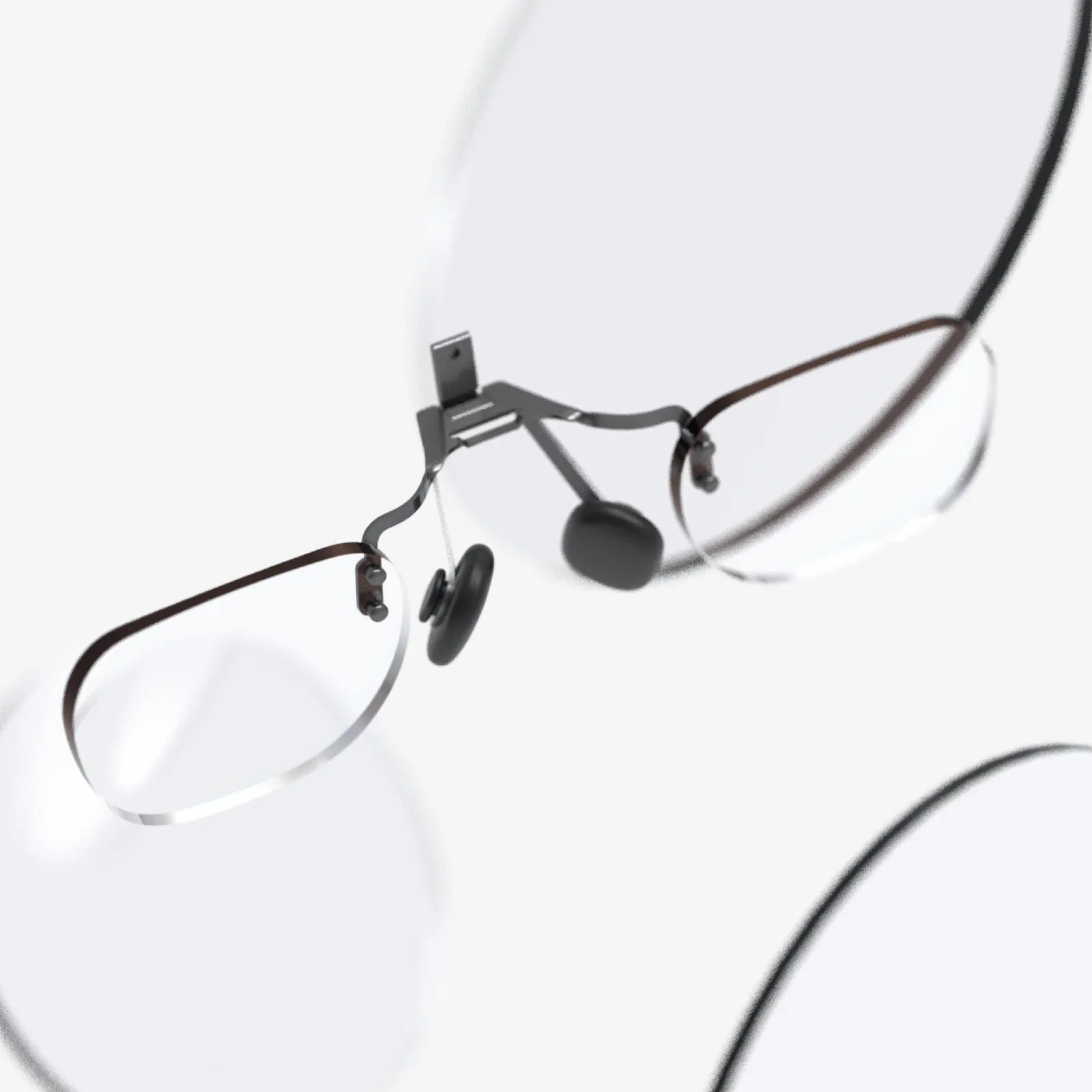
After several false starts, smart glasses are gaining momentum. Current trends focus less on bulky displays and more on subtle audio integration, fashion-forward designs, and basic notification systems. The long-term goal remains true AR overlays, but the immediate trend is about creating wearable technology that people actually want to wear for their style, with smart features as a valuable bonus.
Smart Clothing and E-Textiles
Perhaps the most seamless integration of technology comes from smart fabrics. Sensors woven directly into shirts, socks, and sports bras can provide biomechanical feedback, measure muscle exertion, monitor breathing patterns, and track core body metrics with unparalleled accuracy because they are in direct contact with the skin over large areas of the body. This trend promises to revolutionize athletic training, physical rehabilitation, and occupational safety.
The Seamless Ecosystem: Connectivity and Interoperability
A device in isolation is merely a gadget. The true potential of wearables is unlocked when they become a seamless part of a larger connected ecosystem. The trend is moving towards devices that don't just talk to your smartphone, but to each other and your environment.
5G and Wi-Fi 6 connectivity are becoming more common in standalone wearables, freeing them from the tether of a phone. More importantly, standards like Matter for smart home devices and continued refinement of Bluetooth Low Energy (BLE) are making it easier for your watch to unlock your front door, for your ring to adjust your thermostat when it detects you're asleep, and for your hearing aids to stream audio directly from your TV.
This creates a context-aware environment where your wearables act as a proxy for your intentions and needs, automating your world in the background. The goal is a frictionless experience where technology anticipates your needs without you having to consciously command it.
Sustainability and Ethical Considerations: The Conscious Wearable
As the market matures, consumers are increasingly considering the environmental and ethical impact of their technology. This has given rise to several key trends:
- Modular Design: Some companies are exploring devices with replaceable components, allowing users to upgrade specific sensors or batteries instead of replacing the entire unit, reducing e-waste.
- Use of Recycled Materials: There is a growing push to construct bands, cases, and even internal components from recycled ocean plastics, metals, and other sustainable materials.
- Longevity and Repairability: Beyond materials, the focus is on building devices that last longer with software support and designs that are easier to repair.
- Data Privacy and Security: With wearables collecting our most intimate biological data, the question of who owns this data and how it is used is paramount. The trend is towards on-device processing, where sensitive data is analyzed on the wearable itself rather than being sent to the cloud, and greater transparency from companies about their data policies.
The Next Frontier: AI Integration and the Invisible Interface
Looking forward, the overarching trend is the move towards an invisible interface. The ultimate goal of wearable technology is to fade into the background, becoming so integrated into our lives and clothing that we forget it's there, only engaging with us when necessary through intuitive cues.
This will be powered by sophisticated Artificial Intelligence. Instead of scrolling through apps on a tiny screen, we will interact with AI agents via natural language, gesture control, or even subvocalization commands. Your wearable will become a digital extension of yourself, capable of summarizing your meeting, suggesting the optimal time for a workout based on your recovery metrics, or reminding you to hydrate—all without you needing to ask.
We are also moving closer to continuous, non-invasive glucose monitoring (NGM) and other advanced blood chemistry sensing through the skin, which would be a monumental leap for managing diabetes and metabolic health. Further out, research into neural interfaces—non-invasive wearables that can interpret brain signals—could fundamentally change how we interact with technology altogether.
The future of wearable trends is not about packing more features into a watch. It's about sophistication over specification, context over complication, and personalization over one-size-fits-all. It's about technology that understands you so well it empowers you to live a healthier, safer, and more efficient life, all while staying quietly in the background. The revolution won't be televised; it will be worn.
Share:
Best Affordable VR: Your Ultimate Guide to Immersive Tech on a Budget
Best Affordable VR: Your Ultimate Guide to Immersive Tech on a Budget