


- by wangfred
Wearing Sunglasses at a Computer Screen: A Visionary Hack or a Digital Detriment?
- by wangfred
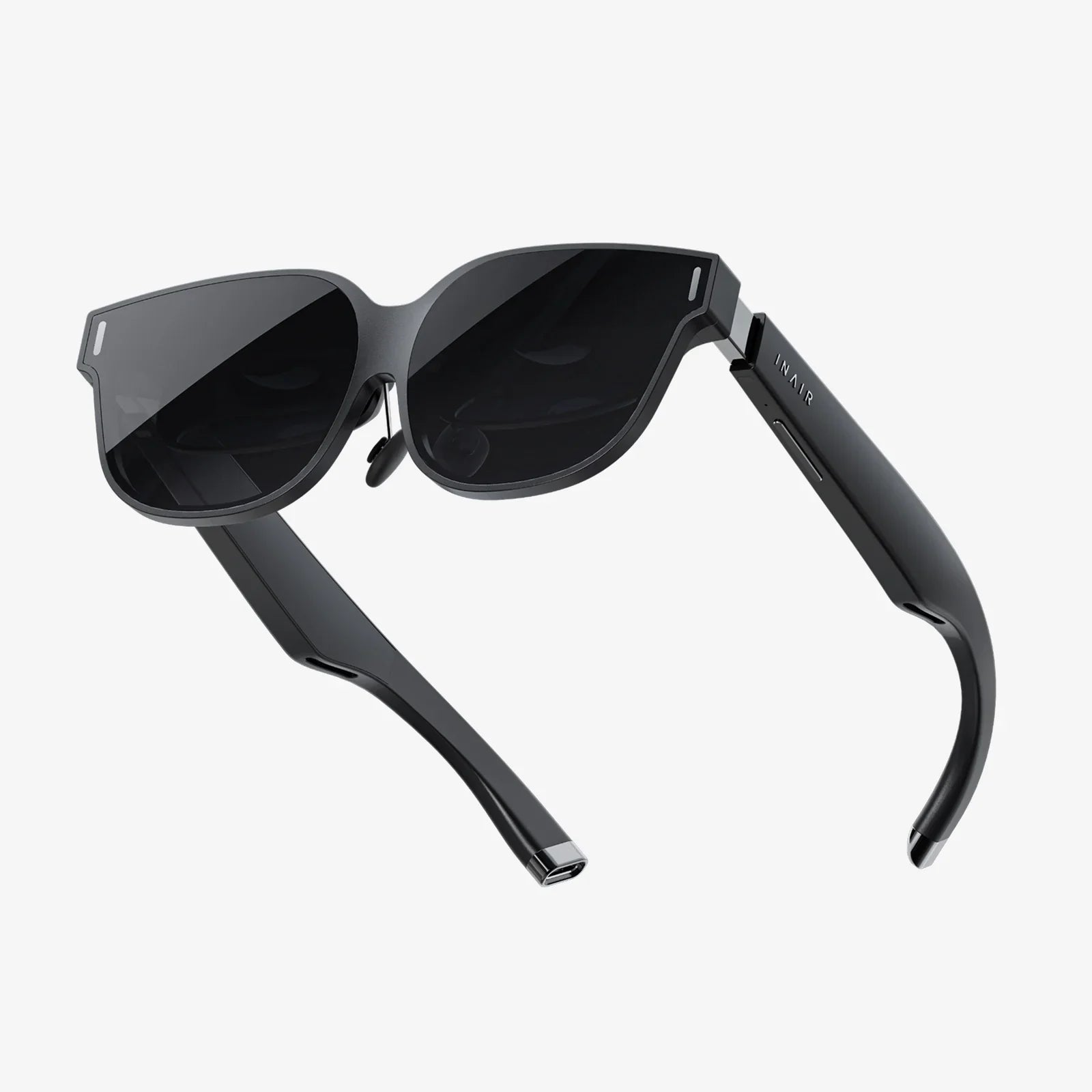
In the relentless glow of our digital lives, where screens dominate our waking hours, a curious trend is emerging from the shadows. Tired of the persistent glare and the throbbing headaches that follow a long day of staring at pixels, some individuals are reaching for an unexpected tool: a pair of sunglasses. It’s a move that seems to defy logic at first glance—donning darkened lenses in an often already dimly lit room. Is this a stroke of genius, a simple hack to reclaim visual comfort, or a dangerous gambit that could be harming your eyesight in the long run? The answer, as with most things, is not a simple yes or no, but a complex interplay of optics, biology, and individual circumstance.
To understand the rationale behind this practice, we must first dissect the modern affliction known as digital eye strain, or computer vision syndrome. This is not a single ailment but a constellation of symptoms plaguing a significant portion of the workforce. It manifests as dry, irritated eyes, blurred vision, difficulty focusing, neck and shoulder pain, and, most commonly, headaches. The root causes are multifactorial. Firstly, the high-energy visible (HEV) blue light emitted by LED screens is notoriously harsh on the eyes. It scatters more easily than other visible light, reducing contrast and forcing the ocular muscles to work harder to maintain focus. This constant muscular effort is a primary driver of fatigue. Secondly, our blink rate plummets by nearly half when we are engrossed in a screen, leading to insufficient lubrication and the sensation of dry, gritty eyes. Finally, the issue of glare—both from direct light sources like overhead lamps and reflected light from windows—creates hotspots of intensity that the eye must constantly adjust to, adding another layer of strain.
This is where the sunglasses proposition enters the frame. The theory is elegantly simple: if the problem is an overabundance of intense, jarring light, then reducing the overall light intake should provide relief. Sunglasses are, at their core, light filters. They are designed to attenuate the full spectrum of visible light, making bright environments more comfortable. By putting them on indoors, the user is effectively dialing down the intensity of their entire visual field, including the light emanating from their monitor. This global reduction in luminance can, for some, immediately alleviate the squinting and discomfort caused by a screen that is perceived as too bright. Furthermore, many sunglasses offer some level of protection against ultraviolet (UV) light, though this is less of a concern with modern screens which emit negligible UV. The perceived benefit is a direct, almost instantaneous dampening of the visual noise, creating a calmer viewing experience that can feel like a respite for overworked eyes.
However, not all light reduction is created equal. This is the first major caveat in the sunglasses-at-the-desk equation. The vast majority of sunglasses are engineered for outdoor use. Their primary purpose is to reduce glare from surfaces like water, snow, and roads, and they achieve this through polarization. A polarized lens contains a special filter that blocks intense reflected light, drastically reducing horizontal glare. While this is fantastic for driving or a day at the beach, it can be catastrophic for screen viewing. Most LCD and LED computer screens themselves emit polarized light. When viewed through a polarized lens, this can cause severe dimming, color distortion, and the appearance of dark or completely black patches on the screen as the angles of polarization clash. You might have to tilt your head at an awkward, painful angle just to see your display clearly, trading eye strain for neck strain. Beyond polarization, the color of the tint matters immensely. A generic gray or green tint will uniformly reduce all wavelengths of light, including the crucial ones you need to see colors accurately on your screen. This can make detailed design work, reading color-coded data, or even simple text recognition incredibly difficult and inaccurate, defeating the purpose of using a high-resolution display.
Perhaps the most significant physiological argument against standard sunglasses involves a simple mechanism: the pupil. In a bright environment, our pupils constrict, letting in less light. In a dark environment, they dilate, letting in more light to improve vision. When you wear dark sunglasses indoors, you are artificially creating a dark environment for your eyes. In response, your pupils will dilate. However, you are still pointing your widened pupils directly at a source of intense HEV blue light. The dark lenses may filter some of this light, but your dilated pupils are now allowing a potentially greater volume of the remaining harmful blue light to enter the eye than if you were not wearing sunglasses and your pupils were naturally constricted in the bright room. This paradox could theoretically expose your retina to more damaging light energy, not less. Furthermore, exposure to blue light during the day plays a key role in regulating our circadian rhythm, signaling to our brain that it is time to be awake and alert. By blocking too much blue light during daytime hours with dark lenses, you could be inadvertently disrupting your natural sleep-wake cycle, leading to daytime drowsiness and nighttime insomnia.
Thankfully, the core idea behind the sunglasses hack—filtering light for comfort—is sound; it just requires a more sophisticated and targeted approach. This is where specialized computer eyewear enters the picture. Unlike generic sunglasses, these lenses are meticulously engineered for the digital environment. They typically feature a very light yellow, amber, or clear tint that is specifically calibrated to filter out the most jarring portions of the blue light spectrum while maintaining excellent color accuracy and clarity. They are almost never polarized, ensuring perfect compatibility with all types of screens without any dimming or distortion. The goal is not to darken the world but to selectively remove the frequencies of light that cause the most fatigue. Many also include an anti-reflective coating to eliminate back-side glare from lights behind you. Crucially, these lenses are also often prescribed with a slight power boost, known as a computer prescription, designed to optimize focus at the precise distance of your monitor, reducing the focusing effort required by your eyes. This combination of selective light filtration and optical precision addresses the root causes of digital eye strain without the significant drawbacks of makeshift sunglasses.
Beyond eyewear, the most effective long-term strategy is to engineer your workspace for visual harmony. This begins with your screen itself. Modern operating systems universally offer a "Night Light" or "Blue Light Filter" mode, which shifts the color temperature of your display to a warmer, more amber tone, especially during evening hours. During the day, simply reducing the overall brightness of your screen to a level that is comfortable without being dim can work wonders. The ambient lighting in your room is equally important. Eliminate direct light sources that reflect on your screen and opt for softer, indirect lighting that evenly illuminates the room without creating glare. The 20-20-20 rule remains a golden standard for eye health: every 20 minutes, look at something 20 feet away for at least 20 seconds. This simple habit gives the focusing muscles inside your eyes a critical break. Finally, don’t underestimate the power of artificial tears or lubricating eye drops to combat the dryness caused by reduced blinking, keeping your ocular surface healthy and comfortable.
So, the next time a headache begins to pulse behind your eyes after hours of video calls and spreadsheet marathons, resist the instinct to grab your aviators. That quick fix is a visual trap, offering fleeting comfort at the potential cost of accuracy, posture, and long-term eye health. Instead, look to the sophisticated solutions born from a true understanding of the problem: finely tuned software settings, a thoughtfully arranged workspace, and, if needed, lenses designed not for the beach, but for the profound and very real challenge of seeing clearly in the digital age. Your vision is your most valuable interface with the world; protecting it requires a strategy far more nuanced than simply turning down the lights.