


- by wangfred
Web Based AR: The Future of Immersive Experience is Here and It's Browser-Powered
- by wangfred
Imagine pointing your phone at a product and watching it spring to life in your living room, not after a lengthy app download, but instantly, within the web browser you’re already using. This isn’t a glimpse into a distant future; it’s the reality being built today with Web Based Augmented Reality. This revolutionary technology is poised to transform how we learn, shop, play, and connect by making immersive experiences as accessible and effortless as clicking a link.
At its core, Web Based AR (WebAR) is the delivery of augmented reality experiences directly through a web browser, without the need for a standalone application or software installation. It leverages a combination of web technologies—primarily WebGL, WebRTC, and modern JavaScript APIs—to access a device’s camera, sensors, and processing power to overlay digital content onto the user’s real-world environment.
The fundamental shift here is one of accessibility. Traditional, app-based AR requires users to find, download, and install an application, a process that creates significant friction and often results in abandoned interactions. WebAR eliminates this barrier entirely. The entry point becomes a simple URL or QR code. One tap, and the experience begins. This frictionless access is its most powerful attribute, opening the floodgates to mass adoption.
The seamless magic of a WebAR experience is powered by a sophisticated symphony of web standards working in concert.
The potential applications for this technology are as vast as the internet itself, already disrupting numerous industries.
Shopping for furniture online has always been a gamble. Will this sofa fit? Does the color match the rug? WebAR is solving this. Customers can now place true-to-scale 3D models of products into their homes directly from a product page. They can walk around a virtual armchair, see how a new lamp casts light in the evening, or even "try on" watches and sunglasses using their front-facing camera. This dramatically increases consumer confidence, reduces return rates, and creates a engaging, memorable shopping experience that static images simply cannot match.
Education is being revolutionized. Instead of staring at a diagram of a human heart, students can project a beating, interactive 3D model onto their desk, exploring its chambers and valves from every angle. History students can witness historical events unfold in their classroom, while mechanics-in-training can follow animated, step-by-step repair instructions overlaid directly onto a physical engine block. This kinesthetic, visual learning style enhances comprehension and retention for learners of all ages.
Marketing campaigns are becoming interactive adventures. A movie poster can transform into a portal that unleashes a character into your environment. A print ad in a magazine can become a video game or a mini-documentary. By scanning a QR code on a product package, consumers might unlock a fun filter, a branded game, or a detailed story about the product’s origin. This "phygital" bridge creates deep, shareable engagement that builds powerful brand connections far beyond a standard commercial.
Imagine holding up your phone in a complex airport or museum and seeing digital arrows guiding you to your gate or to a specific exhibit. WebAR can overlay directional cues, information points, and historical facts directly onto the buildings and streets around you, creating an intuitive and information-rich layer over reality. This has profound implications for tourism, urban planning, and accessibility.
Despite its immense promise, Web Based AR is not without its challenges. The technology is still maturing, and developers must navigate certain limitations.
The trajectory of Web Based AR points toward a more deeply integrated and intelligent future. We are moving towards a world where AR is not an "experience" you launch, but a persistent layer of information and utility seamlessly woven into our daily digital lives.
Advancements in 5G and edge computing will offload heavy processing from the device itself, enabling ever more complex and photorealistic experiences without compromising performance. AI and machine learning will enhance object recognition, allowing your camera to not just see a table, but understand it’s a "Victorian mahogany desk" and instantly provide relevant information or styling suggestions.
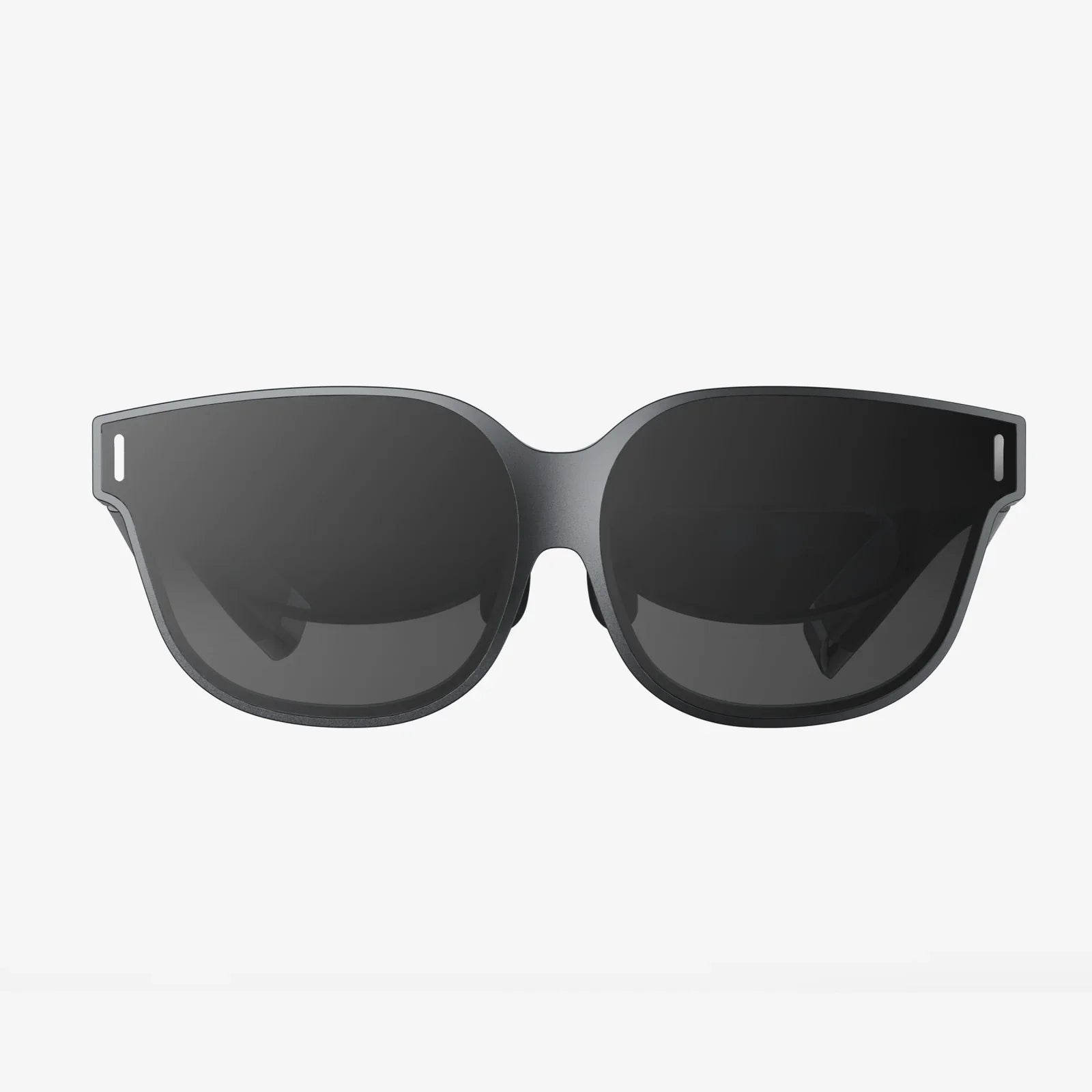
The evolution of wearable technology, like AR glasses, will eventually make the smartphone screen obsolete for these experiences. The browser will become a ubiquitous lens through which we see an augmented world, with WebAR providing the open, standardized platform to build upon. This will democratize creation, allowing a new generation of developers to build the "websites" of the physical world.
The barrier between the digital and the physical is crumbling, not with a bang, but with a quiet click. Web Based AR is the key that unlocks this fusion for everyone, everywhere, turning every smartphone into a window to a richer, more interactive, and infinitely more interesting world. The next time you look at your screen, remember—it’s not just a window to the web, but a doorway into a new reality waiting to be explored.
Share:
Show in 3D: The Revolutionary Technology Reshaping Our Digital and Physical Worlds
Web AR Examples: The Future of Immersive Experience is Already Here