


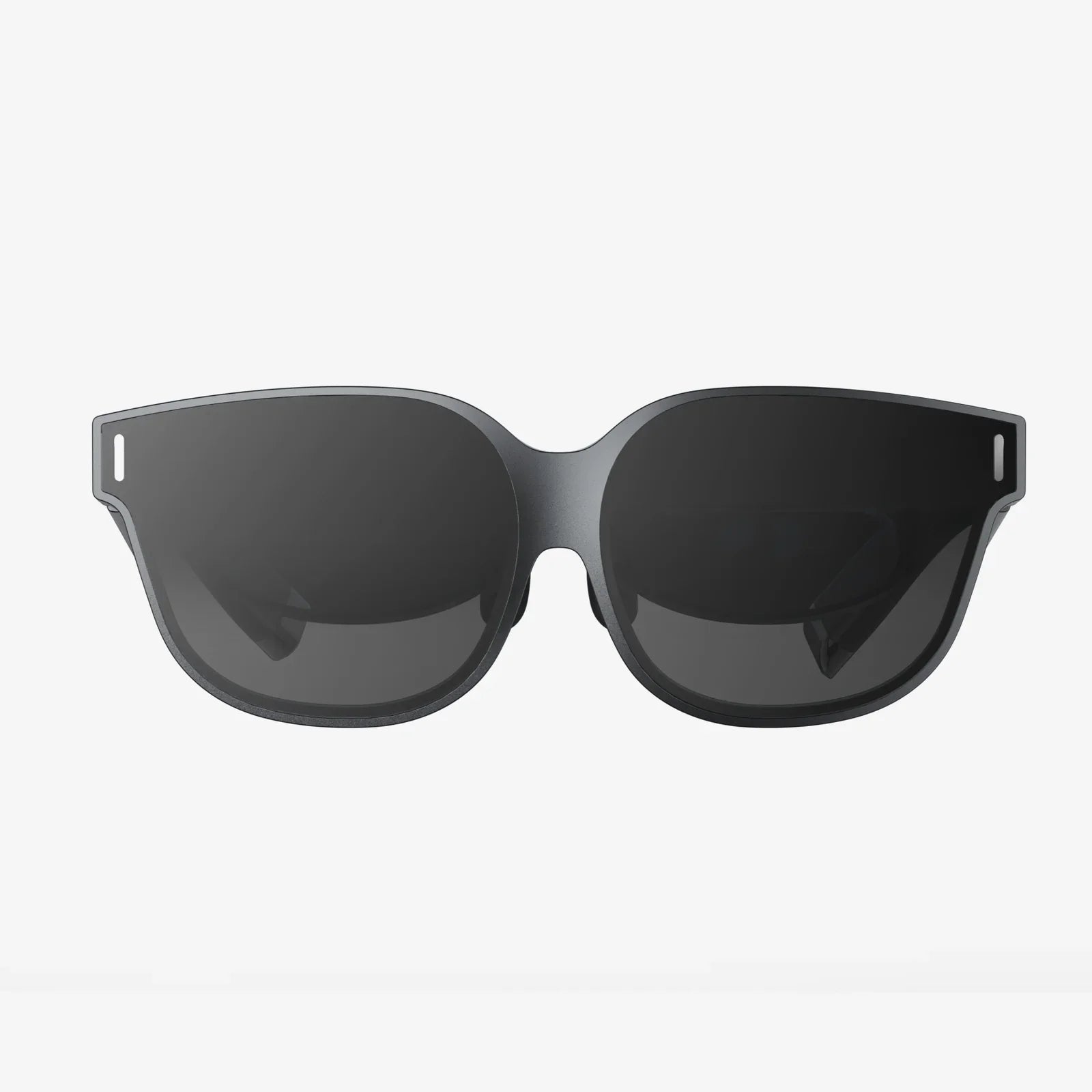
- by wangfred
What Age for VR Headset? A Parent's Guide to Navigating the Virtual Frontier
- by wangfred
You’ve seen the awe on a child’s face as they explore a virtual world for the first time—the wide-eyed wonder, the gasps of excitement. It’s a powerful lure, this new technological frontier, promising incredible educational journeys and fantastical adventures. But as a parent, a nagging question cuts through the excitement: what is the right age for a VR headset? The answer is more complex than a single number on a box. It's a delicate balance between harnessing incredible potential and safeguarding a child’s developing mind and body. This isn't just about keeping up with the latest tech trend; it's about making an informed, conscious decision for your family's digital well-being.
Let's start with the most straightforward, though not necessarily definitive, guidance. Most major headset manufacturers include age recommendations in their safety manuals and terms of service. These are not arbitrary figures; they are often based on a combination of factors including product design (like interpupillary distance adjustment), a precautionary principle regarding unknown long-term effects, and legal liability.
Generally, the landscape looks like this:
It is crucial to understand that these age gates are a minimum safety threshold, not a developmental recommendation. They represent the point at which the company feels it can reasonably disclaim risk, not the age at which every child is magically ready for immersive virtual experiences. Basing your decision solely on this number is like using a speed limit sign as the only rule for safe driving—it’s a critical baseline, but context, conditions, and individual skill matter immensely.
To move beyond the manufacturer's label, we must delve into child development. A child’s brain is not a miniature adult brain; it is a dynamically organizing system that is highly sensitive to environmental input.
Young children, typically under the age of 7 or 8, are still solidifying their understanding of the difference between fantasy and reality. VR, by its very nature, is designed to trick the brain into accepting a virtual environment as real—a phenomenon known as presence. For a developing mind, this intense immersion can be incredibly powerful and potentially confusing. It can blur lines in a way that a flat screen does not, making it harder for them to process and contextualize frightening or overwhelming virtual experiences. The question isn't just can they put on the headset, but how will their brain integrate an experience that feels utterly real but is entirely constructed?
Healthy development relies on authentic, face-to-face social interaction. It’s how children learn to read subtle facial cues, understand tone of voice, and develop empathy. VR social platforms, while innovative, are a facsimile of human connection. Over-reliance on virtual socializing during critical developmental windows could potentially impede the honing of these essential real-world skills. Furthermore, the emotional impact of content must be carefully considered. A scary movie on a TV screen exists at a distance; a scary experience in VR feels like it's happening to you. The emotional residue can be significantly more intense and longer-lasting.
This is one of the most cited concerns by researchers and health professionals.
Instead of searching for a universal "right age," a more effective approach is to assess your individual child's readiness. Age is a component, but maturity is the key. Consider this framework:
Can your child:
If the answer to most of these is yes, they are demonstrating a maturity level that suggests they can handle VR more responsibly.
Not all VR is created equal. The experience a child has is dictated entirely by the software. A five-minute tour of the solar system is worlds apart from an intense competitive game. As the parent, you must be the curator.
Before the headset is ever turned on, establish and non-negotiable family rules. This sets clear expectations and prioritizes safety.
For teenagers, the questions shift. They are developmentally beyond many of the physical concerns of young children, but new challenges emerge, primarily around social interaction and content moderation.
Social VR platforms can be fantastic spaces for connecting with friends and meeting people with shared interests. However, they are also unmoderated public spaces where exposure to inappropriate language, behavior, and content is a real risk. The immersive nature makes these interactions feel more personal and potentially more impactful than those on traditional social media.
For this age group, ongoing conversations about digital citizenship, privacy, and cyberbullying are essential. Co-view their experiences sometimes, talk about who they are interacting with online, and reinforce that the same rules of kindness and respect apply in the virtual world as in the physical one. Parental controls and privacy settings should be configured together, not as a punishment, but as a collaborative exercise in safety.
So, what age for a VR headset? There is no one-size-fits-all answer, but a guided path emerges:
The goal is not to shield children from technology forever, but to integrate it thoughtfully into their lives in a way that supports their growth. VR is a powerful tool, not a toy. It has the potential to revolutionize education, creativity, and social connection. By prioritizing your child's developmental needs over the hype, you aren't saying no to the future—you're ensuring they can step into it healthy, grounded, and ready to thrive in both the real world and the virtual ones they will help create.
Imagine unlocking a museum, a universe, or a canvas that stretches in every direction, all from your living room. The power of virtual reality is undeniable, and with a thoughtful, informed approach, you can ensure your child's first steps into this expansive new world are not only safe but truly magical. The journey doesn't start with a purchase; it starts with a conversation. Your family's adventure is waiting, and the map is now in your hands.
Share:
Extended Reality Statistics: The Definitive Data on the XR Revolution
Best VR Experience Android: Your Ultimate Guide to Mobile Virtual Reality