


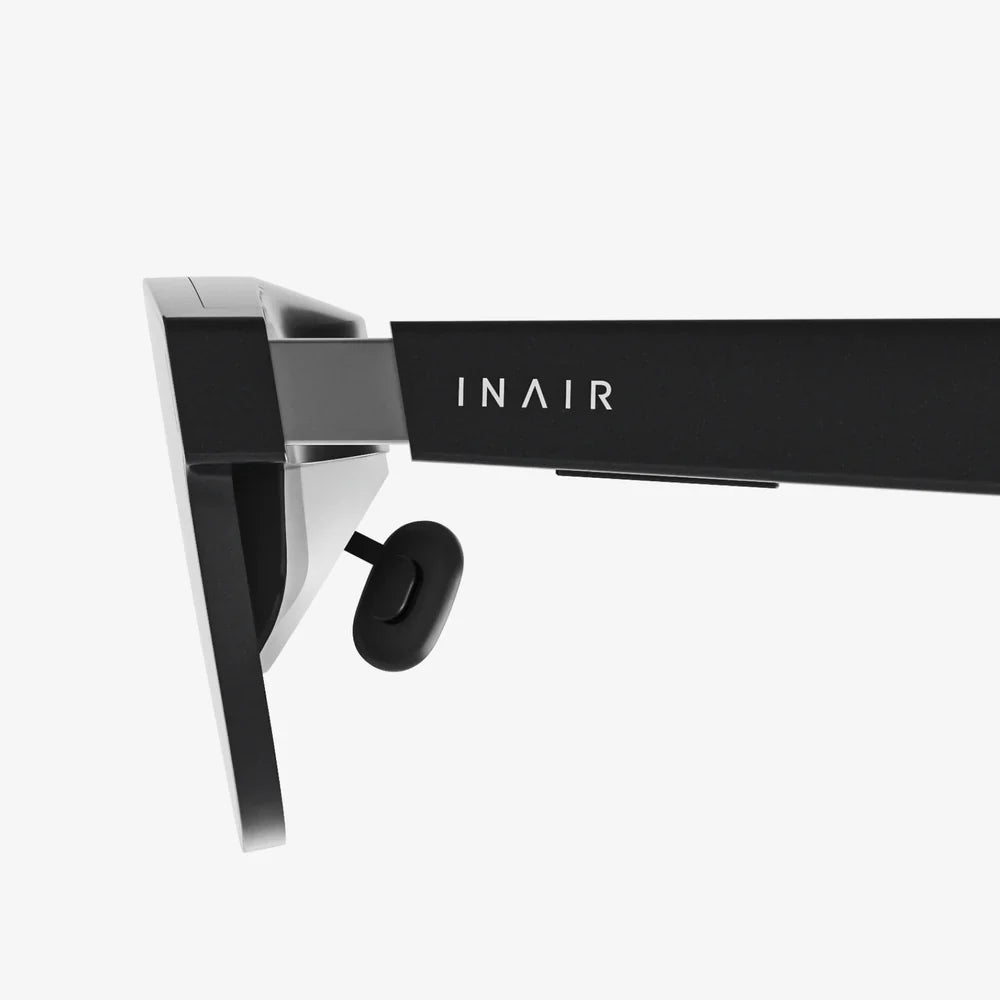
The digital and physical worlds are colliding in ways once confined to science fiction, creating immersive experiences that are reshaping how we work, learn, play, and connect. From overlaying digital information onto our surroundings to transporting us to entirely new worlds, the spectrum of augmented, virtual, and mixed reality technologies is vast and rapidly evolving. But beyond the hype and futuristic promises, what are the tangible, impactful applications that demonstrate the true potential of these technologies? This exploration delves into the most compelling and innovative examples that are defining the present and future of AR, VR, and MR.
Demystifying the Spectrum: AR, VR, and MR Defined
Before diving into specific examples, it's crucial to understand the distinctions between these often-conflated terms. While they exist on a continuum of immersive experiences, each has unique characteristics.
Virtual Reality (VR) offers a complete immersion experience, shutting out the physical world. By wearing a head-mounted display, users are transported to a fully digital, computer-generated environment. This environment can be a realistic simulation of a real place or a completely fantastical world. The key differentiator is the sense of presence—the feeling of actually being there.
Augmented Reality (AR) layers digital information—be it images, text, or 3D models—onto the user's real-world view. Unlike VR, it does not replace reality but enhances it. This is most commonly experienced through smartphone cameras or smart glasses, allowing digital content to interact with the physical environment in real-time.
Mixed Reality (MR) is the most advanced and often misunderstood category. It represents a hybrid of AR and VR where physical and digital objects not only coexist but can interact with each other in real-time. In a true MR experience, a digital ball could bounce off a physical table, or a virtual character could sit on your real-world sofa. This requires advanced sensors and cameras to map and understand the environment.
Groundbreaking Examples in Virtual Reality (VR)
VR's strength lies in its ability to create profound empathy, facilitate deep learning through simulation, and provide unparalleled escapism in entertainment.
Revolutionizing Training and Simulation
One of the most powerful applications of VR is in high-stakes training scenarios where real-world practice is dangerous, expensive, or impractical.
- Surgical Training: Medical students and practicing surgeons are using VR simulators to practice complex procedures. These platforms provide a risk-free environment to hone skills, from simple incisions to intricate heart surgery. Trainees can repeat procedures countless times, receive instant feedback on their technique, and even experience the procedure from the perspective of different medical staff in the operating room.
- Aviation and Flight Simulation: Pilots have used simulators for decades, but VR has made this training more accessible and comprehensive. Aspiring pilots can practice everything from routine takeoffs and landings to handling extreme emergency scenarios like engine failure or severe weather, all without leaving the ground. This drastically reduces training costs and increases safety.
- Military and Hazardous Environment Training: Soldiers can be immersed in virtual combat zones to practice tactics, decision-making, and equipment handling. Similarly, first responders like firefighters can train for navigating smoke-filled buildings, and oil rig workers can practice safety protocols for well-control emergencies, all within a completely safe virtual space.
Transforming Education and Empathy Building
VR's ability to create a sense of presence makes it an unparalleled tool for education, allowing students to experience rather than just read about a subject.
- Virtual Field Trips: Students can don a headset and be transported to the surface of Mars, the depths of the ocean, or ancient Rome. They can walk among dinosaurs, explore the human bloodstream, or stand in the middle of a historical event. This experiential learning creates lasting memories and a deeper understanding of complex subjects.
- Empathy and Narrative Experiences: Journalists and filmmakers are using VR to create immersive documentaries that place viewers directly in the story. For example, experiences that simulate the life of a refugee or allow someone to step into the shoes of a person with a disability foster a level of understanding and empathy that traditional media simply cannot achieve.
Redefining Entertainment and Social Connection
The entertainment industry has embraced VR to create deeply engaging games and social platforms.
- Immersive Gaming: VR gaming is the most well-known application. Players are no longer controlling a character on a screen; they are the character inside the game world. This allows for intuitive interactions—physically ducking behind cover, reaching out to grab an object, or swinging a virtual sword—creating a visceral and thrilling experience.
- Virtual Social Spaces: Platforms have emerged that are essentially virtual reality chat rooms. Users create avatars and can meet with friends, attend live concerts, watch movies together in a virtual cinema, or simply hang out in digital environments. This offers a new form of social presence and connection that transcends geographical boundaries.
Impactful Examples in Augmented Reality (AR)
AR seamlessly blends the digital and physical, making information and interaction more contextual and immediate. Its accessibility via smartphones has driven widespread adoption.
Enhancing Retail and E-Commerce
AR is solving a fundamental problem of online shopping: the inability to try before you buy.
- Virtual Try-On: Furniture retailers allow customers to use their smartphone camera to see how a sofa, table, or lamp would look and fit in their actual living room. Fashion and accessory brands offer virtual try-ons for glasses, makeup, shoes, and clothing, reducing return rates and increasing consumer confidence.
- Interactive Product Previews: Car manufacturers use AR to let potential buyers explore the features of a vehicle model by projecting it onto their driveway. Customers can change colors, open doors, and look inside the engine bay, all through their phone screen.
Revolutionizing Industrial Maintenance and Repair
In industrial settings, AR is a powerful tool for improving efficiency and reducing errors.
- Remote Expert Assistance: A field technician struggling with a complex repair can wear AR glasses that allow an expert located elsewhere to see their field of view. The expert can then overlay digital annotations, arrows, and instructions directly onto the technician's view of the machinery, guiding them through the process step-by-step.
- Digital Work Instructions: Instead of consulting a bulky paper manual or a tablet, assembly line workers can have instructions and diagrams superimposed directly onto the components they are working on. This hands-free guidance improves accuracy, speeds up training, and reduces assembly errors.
Enriching Navigation and Tourism
AR is turning our world into an interactive map and guidebook.
- Overlaid Directions: Navigation apps are beginning to use AR to project arrows and directions onto a live view of the street, making it intuitively clear whether to turn left or right at the next intersection, eliminating the confusion of trying to match a 2D map to a 3D world.
- Interactive City Guides: Tourists can point their phone at a landmark, museum exhibit, or restaurant to see historical information, reviews, or menus pop up in their display. This creates a dynamic and informative layer over the physical city, enriching the travel experience.
Pioneering Examples in Mixed Reality (MR)
MR represents the cutting edge, where the digital and physical are not just layered but truly integrated. This requires more sophisticated hardware but unlocks incredible potential.
Transforming Design and Prototyping
MR is revolutionizing the design process across multiple industries.
- Architecture and Engineering: Architects and engineers can project full-scale, holographic 3D models of their designs into a physical space. They can walk around, through, and inside the model to assess scale, sightlines, and structural elements long before ground is broken. Multiple stakeholders in different locations can collaborate within the same virtual model as if it were physically present.
- Automotive Design: Car designers can place a holographic prototype of a new vehicle into a real-world showroom to evaluate its aesthetics and proportions. They can then interact with it—changing the paint color, modifying the body shape, or opening the doors—all in real-time, drastically accelerating the design iteration process.
Creating the Next Generation of Workplace Collaboration
MR is poised to redefine remote work, making it feel as natural as being in the same room.
- Holographic Telepresence: Instead of a grid of faces on a video call, MR meetings can involve life-sized, volumetric holograms of participants who appear to be sitting around the same table. They can collaboratively interact with and manipulate shared 3D data models, charts, and designs, creating a powerful sense of shared presence and enabling more effective collaboration on complex projects.
Pushing the Boundaries of Interactive Entertainment
MR gaming and experiences take the principles of AR and VR to a new level of immersion.
- Physical World Gaming: MR games use the entire physical environment as the playground. Virtual characters can hide behind your real furniture, a digital enemy can burst through your actual wall, and a puzzle might require you to manipulate both physical and virtual objects in tandem. This creates a magical blend of reality and fantasy that is uniquely compelling.
The Future is a Blended Reality
The lines between AR, VR, and MR will continue to blur as technology advances. We are moving towards a future of spatial computing, where digital interfaces will no longer be confined to screens but will be integrated into our environment and interactions in a seamless, intuitive way. The examples highlighted here are just the beginning. As hardware becomes more powerful, comfortable, and affordable, and as developers continue to innovate, these immersive technologies will become an indispensable part of our daily lives, transforming every industry and redefining human experience itself. The journey into this blended reality has just begun, and its potential is limited only by our imagination.
Imagine a world where your workspace extends infinitely beyond the confines of your monitor, where learning is a visceral journey through time and space, and where the line between your digital and physical life dissolves into a seamless tapestry of interaction. The examples we've explored are not distant fantasies; they are the building blocks of that world, happening here and now. The next time you look at your phone or consider a new headset, remember—you're not just buying a gadget; you're acquiring a key to a new layer of reality, waiting to be unlocked.
Share:
Digital Display Board Software: The Ultimate Guide to Dynamic Content Management
Adaptive AI Market: Navigating the Next Frontier of Intelligent Systems