


Imagine a world where the collective knowledge of humanity, the ability to communicate with anyone across the globe, and a vast array of tools for work, creativity, and entertainment are all accessible from a device that fits in the palm of your hand. This isn't science fiction; it's the reality forged by the relentless evolution of smart mobile devices. These pocket-sized powerhouses have fundamentally altered the fabric of society, blurring the lines between the physical and digital worlds and redefining how we live, learn, work, and connect. To understand the modern era is to understand the profound influence of these ubiquitous companions.
The Defining Characteristics: More Than Just a Phone
At their core, smart mobile devices are a class of portable electronic gadgets characterized by advanced computing capabilities and high-speed connectivity. While the smartphone is the most ubiquitous example, the category also encompasses tablets, advanced wearable technology like smartwatches, and even specialized e-readers. What separates them from their simpler predecessors, like basic feature phones or PDAs, is a convergence of several critical technologies.
Advanced Operating Systems: The Digital Brain
The true intelligence of these devices is powered by a full-fledged mobile operating system (OS). This software platform is the foundation upon which everything else is built. It manages the device's hardware and software resources, provides a consistent user interface, and, most importantly, supports the installation and operation of third-party applications. These operating systems are designed for touch interaction, mobility, and constant connectivity, creating a flexible and ever-expandable ecosystem. The OS is what transforms a piece of hardware from a single-purpose tool into a multi-functional portal, capable of being customized and adapted to an infinite number of tasks through the simple act of downloading an app.
Connectivity: The Lifeline to the World
A smart mobile device is fundamentally defined by its ability to connect. It is a nexus of communication, constantly sending and receiving data. This is achieved through a suite of wireless technologies:
- Cellular Networks (4G/LTE, 5G): Providing wide-area internet access, allowing the device to function almost anywhere, enabling voice calls, video streaming, and real-time navigation.
- Wi-Fi: Offering high-speed internet access in localized areas like homes, offices, and cafes, often providing a faster and more cost-effective connection for data-intensive tasks.
- Bluetooth: Facilitating short-range wireless connections to a plethora of peripherals, including headphones, speakers, wearables, and keyboards.
- GPS and NFC: Global Positioning System (GPS) enables location-based services, mapping, and geotagging. Near Field Communication (NFC) allows for contactless payments and quick pairing with other devices.
This constant state of connectivity means the device is always syncing, always updating, and always pulling from the vast resources of the cloud, making it an实时 window to the global digital landscape.
The Application Ecosystem: A Universe of Possibilities
If the OS is the brain, then applications (apps) are the skills, knowledge, and personality of the device. The app ecosystem, accessible through centralized digital distribution platforms, is the single most transformative feature. It allows users to tailor their device to their specific needs and interests. From productivity suites and language translators to social media platforms and immersive games, apps provide specialized functionality that the base device does not inherently possess. This model has democratized software development, allowing individuals and small companies to create and distribute tools to a global audience instantly.
Hardware Sophistication: The Physical Form
The software magic is enabled by increasingly powerful and sophisticated hardware components packed into an impossibly slim form factor.
- High-Resolution Touchscreens: The primary interface is a vibrant, responsive, and often large touchscreen display, capable of rendering complex visuals and recognizing multi-touch gestures like pinching and swiping.
- Powerful Processors: Multi-core CPUs and dedicated graphics processing units (GPUs) provide the computational horsepower needed for everything from complex calculations and AI processing to high-frame-rate gaming and 4K video editing.
- Sensors Galore: A typical device is a treasure trove of sensors: accelerometers, gyroscopes, magnetometers, ambient light sensors, barometers, and sophisticated biometric sensors like fingerprint readers and facial recognition systems. These sensors allow the device to understand its environment and orientation, enabling features like automatic screen rotation, health tracking, and augmented reality.
- High-Quality Cameras: Modern devices often feature multiple camera lenses on the front and back, capable of capturing professional-grade photos and videos. Computational photography, where software enhances images using AI, has made everyone a potential photographer.
The Societal Impact: A World Transformed
The proliferation of smart mobile devices has triggered a seismic shift across every aspect of human society, creating a new paradigm for daily life.
Communication Reimagined
Communication has evolved from simple voice calls and SMS to a rich, multimedia, and instantaneous experience. Video calling allows for face-to-face interaction across continents. Messaging apps integrate text, voice notes, photos, videos, and group chats, creating persistent communication channels. Social media platforms, accessed primarily through mobile devices, have created new forms of community and public discourse, for better and for worse. The concept of being "always on" and constantly connected has reshaped social norms and expectations.
The Information Economy in Your Pocket
These devices are the engines of the modern information economy. They have revolutionized access to knowledge, making search engines, online encyclopedias, and educational resources available to billions. They have created new industries like the gig economy, where work is coordinated and performed through apps. Mobile banking and digital wallets have transformed financial services, bringing them to previously unbanked populations and making transactions seamless. For many, their primary computer is no longer a desktop machine in an office but the smartphone they carry everywhere.
Entertainment and Media On-Demand
The consumption of media has been utterly disrupted. We now carry entire libraries of music, movies, TV shows, books, and games in our pockets. Streaming services for music and video have replaced physical media and scheduled programming, offering on-demand entertainment tailored to individual tastes. Mobile gaming is a multi-billion dollar industry, appealing to a demographic far broader than traditional console or PC gamers.
The Double-Edged Sword: Challenges and Considerations
This technological revolution is not without its significant challenges. The "always-on" culture can lead to digital addiction, information overload, and increased anxiety. The constant barrage of notifications can fracture attention spans and reduce productivity. Privacy concerns are paramount, as these devices collect vast amounts of personal data, from location history to browsing habits. The digital divide describes the gap between those with access to these powerful tools and the skills to use them and those without, potentially exacerbating social and economic inequalities. Furthermore, issues of misinformation, cyberbullying, and screen time's impact on mental health, particularly among youth, are critical areas of ongoing research and concern.
The Future Horizon: Intelligence and Integration
The evolution of smart mobile devices is far from over. The next decade will be defined by even deeper integration of artificial intelligence and a move towards a more seamless, ambient computing experience.
Artificial intelligence and machine learning are moving from the cloud directly onto the device itself. This "on-device AI" will power more personalized and responsive experiences while enhancing privacy by processing sensitive data locally. We will see more proactive assistants that anticipate needs, vastly improved computational photography, and real-time language translation that breaks down communication barriers completely.
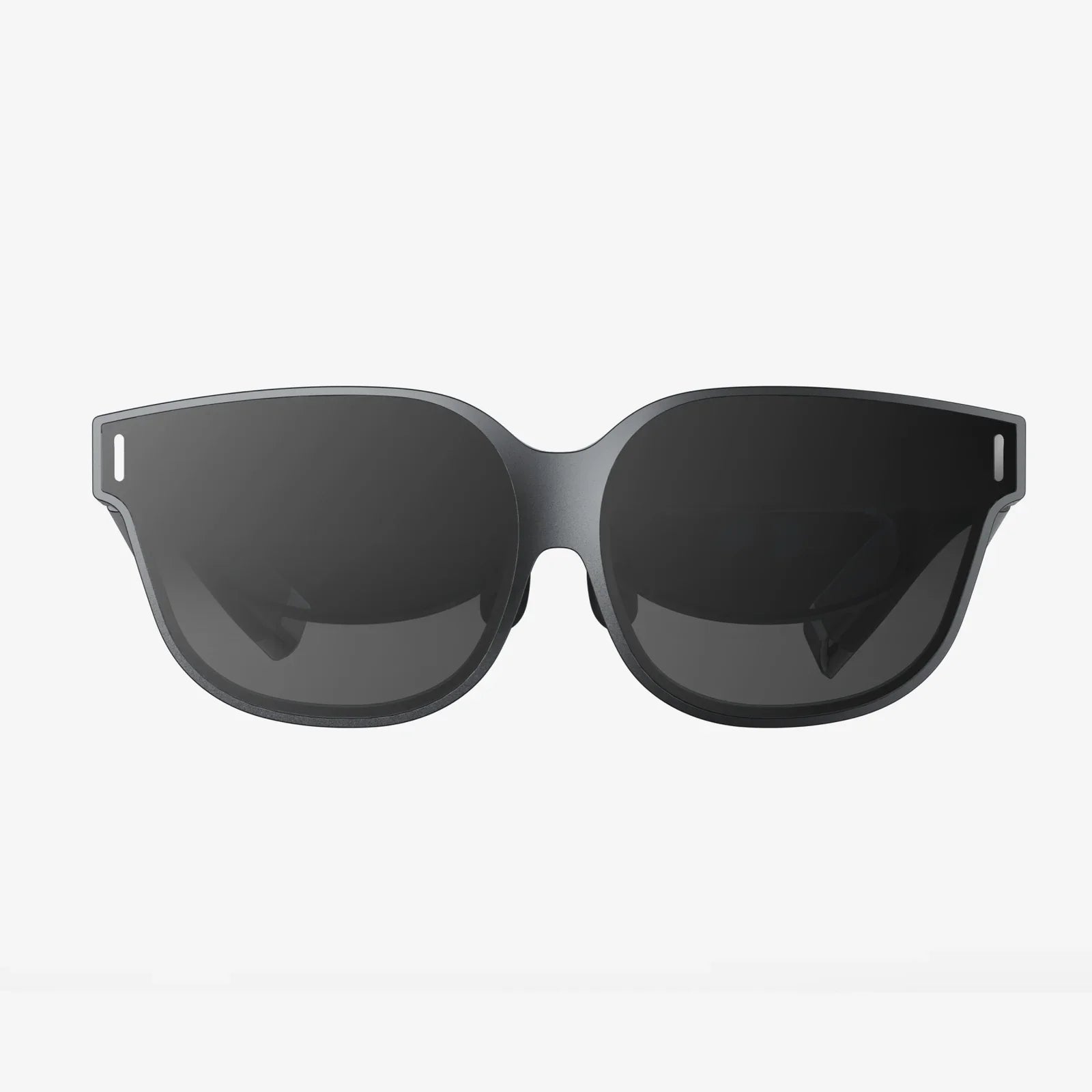
The concept of the device itself is also expanding. We are moving towards a ecosystem of interconnected gadgets. The smartphone is evolving into the central hub of a personal area network that includes wearable technology like smartwatches and augmented reality (AR) glasses. These wearables will provide contextual information overlaying our physical world, offer more intuitive health monitoring, and further reduce the need to constantly look down at a screen. The line between the device and the user will continue to blur, creating a more integrated and immersive digital-physical existence.
The journey of the smart mobile device is a testament to human ingenuity. It has compressed the capabilities of rooms full of equipment from a generation ago into a sleek, accessible slab of glass and metal. It has connected humanity in ways previously unimaginable and has become an indispensable extension of our minds and social selves. As we look ahead, these devices promise to become even more intelligent, intuitive, and intertwined with our lives, continuing to shape the future in ways we are only beginning to comprehend. The revolution started in our pockets, and its next chapter will be written all around us.
From reshaping global economies to redefining childhood, the silent hum of your smart mobile device represents one of the most significant technological leaps in human history—and the next transformative upgrade is already waiting for its release date, promising to further dissolve the boundary between our digital and physical realities.
Share:
New AR: The Invisible Revolution Reshaping Our Reality
New AR: The Invisible Revolution Reshaping Our Reality