


- by wangfred
What Are Smart Wearables: The Ultimate Guide to Your Connected Future
- by wangfred
Imagine a world where your watch not only tells time but also tells you you're about to get sick, where your ring tracks your sleep to optimize your day, and where your glasses translate a foreign street sign in real-time. This isn't a glimpse into a distant sci-fi future; it's the reality unfolding on our wrists, fingers, and faces today, powered by the silent revolution of smart wearables. These devices are rapidly evolving from niche gadgets for fitness buffs into indispensable, life-enhancing partners, seamlessly weaving technology into the very fabric of our daily existence. The question is no longer if you'll adopt one, but how these intelligent companions will redefine your relationship with your own body, health, and the world around you.
At its core, a smart wearable is a miniature, connected computer designed to be worn on the body. Unlike a smartphone that you interact with intentionally, a wearable's power lies in its passive, ambient, and always-on nature. It collects data and provides insights without constant user initiation, creating a seamless flow of information between you and the digital world. This category encompasses a vast and growing ecosystem of devices, each with a unique form and function.
The most recognizable segment is dominated by smartwatches and fitness trackers. These devices have become hubs for personal data, offering a suite of features that typically include:
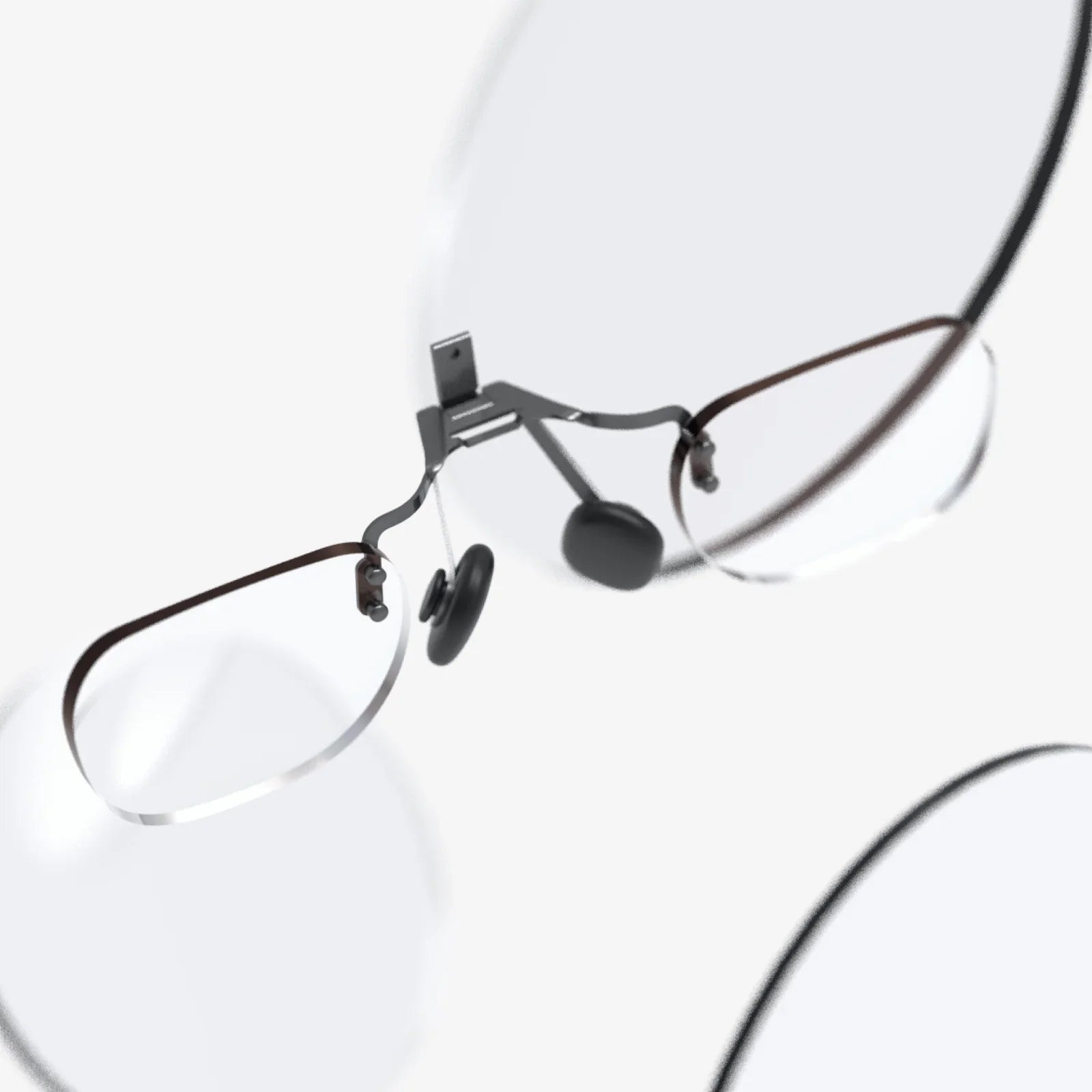
Beyond the wrist, innovation is flourishing. Smart rings are gaining popularity for their minimalist design and exceptional battery life, focusing intensely on sleep analysis and recovery metrics. Smart glasses are being reimagined, not just for augmented reality experiences but also as discrete hearing aids and personal translation devices. Smart clothing, with sensors woven directly into the fabric, offers unparalleled biomechanical data for professional athletes and physical therapy patients. Even hearables—intelligent hearing aids and wireless earbuds—now track health metrics and integrate with virtual assistants, blurring the line between audio device and wearable computer.
The magic of these devices is made possible by a sophisticated fusion of hardware and software. Miniaturization has been the key enabler, packing a stunning array of sensors and computing power into a space the size of a coin.
Raw sensor data is useless without processing. Low-power microprocessors within the device perform initial data crunching before syncing with a smartphone or the cloud via Bluetooth, Wi-Fi, or cellular connections. Here, powerful algorithms and machine learning models take over, transforming raw light and movement data into meaningful insights: identifying sleep stages, detecting workout types, and even predicting potential health events.
The initial driver of the wearable market was fitness. These devices turned exercise into a quantifiable game, motivating millions to "close their rings" and hit their step goals. However, the true transformation is occurring in the realm of health. We are moving from a reactive healthcare model—where you see a doctor only when you feel sick—to a proactive, continuous model where your wearable provides a constant stream of personalized health data.
This shift is profound. Instead of a blood pressure reading taken once a year in a stressful clinical setting, a wearable can track your heart's performance during sleep, exercise, and moments of stress, painting a far more accurate picture of cardiovascular health. Irregular heart rhythm notifications have already saved countless lives by alerting users to unknown cases of AFib. Trends in resting heart rate and HRV can provide early warnings of overtraining, impending illness, or heightened stress levels, allowing for preventative action. For those managing chronic conditions like hypertension or diabetes, continuous monitoring empowers them with data to make better daily decisions in consultation with their doctors.
The applications extend far beyond clinical health. For the everyday user, wearables are becoming holistic wellness coaches. They nudge you to move after an hour of inactivity, guide you through a minute of mindfulness breathing to lower stress, and provide detailed sleep scores with advice on how to improve rest. For athletes, from weekend warriors to Olympians, the data is indispensable for optimizing training loads, maximizing recovery, and preventing injury. In the professional world, some are exploring the use of wearables to reduce workplace stress and monitor for fatigue in high-risk jobs.
As with any transformative technology, the rise of smart wearables brings significant challenges that must be thoughtfully addressed.
The most pressing concern is privacy. These devices collect the most intimate data possible: the inner workings of your body. Who owns this data? How is it being used? Is it being sold to third parties or health insurers? Could it be used for discrimination? Robust data encryption, transparent privacy policies, and giving users full control over their information are non-negotiable requirements for the industry. Users must be vigilant about permissions and understand the trade-off between convenience and privacy.
While wearables are excellent for tracking trends and providing general insights, they are not—and are not approved as—medical devices. The optical heart rate sensor on a watch can be thrown off by factors like skin tone, tattoo ink, or how tightly the device is worn. Sleep staging is an estimate based on movement and heart rate, not a precise brain scan. Users must understand the limitations and avoid self-diagnosis. The value is in the longitudinal trends, not in a single data point.
There's a potential dark side to the "quantified self." For some, constant monitoring can lead to health anxiety or orthosomnia—an unhealthy obsession with achieving perfect sleep data. The gamification of health can become another source of stress if users become slaves to their metrics. The goal of these devices should be to provide insight that leads to action and then peace of mind, not a constant state of analysis and worry. Digital wellbeing features that allow users to "disconnect" from the data are becoming just as important as the tracking features themselves.
The evolution of smart wearables is accelerating, moving towards even more seamless integration and powerful capabilities. We are on the cusp of devices that move from monitoring to diagnosing and even intervening.
The holy grail of wearable technology is non-invasive continuous glucose monitoring (CGM). The ability to track blood sugar levels without drawing blood would be a revolution for diabetics and the wellness market. Research is also advancing into wearables that can measure blood pressure, hydration levels, and alcohol content directly through the skin using advanced optical and spectroscopic sensors.
Future devices will get better at quantifying mental states. By analyzing voice patterns, heart rate trends, and even skin temperature, wearables could detect signs of anxiety, panic attacks, or depressive episodes and prompt the user to engage with a meditation app, reach out to a friend, or contact a professional.
The form factor will continue to evolve towards invisibility. We will see more intelligent jewelry, sensor-laden patches, and even electronic tattoos. The goal is for the technology to fade into the background, collecting data and providing insights without ever needing to be charged or thought about, becoming a true second skin of computation.
The journey of the smart wearable is just beginning. We are rapidly approaching a reality where these devices won't just tell us about our lives—they will actively help us live longer, healthier, and more fulfilling ones. The data they provide empowers a revolution in personal agency over our well-being, shifting the focus from treating sickness to sustaining health. The choice to embrace this technology is a step toward a more informed, proactive, and connected human experience, where the most powerful insights come not from a doctor's office, but from the device on your wrist that knows you better than you know yourself.