


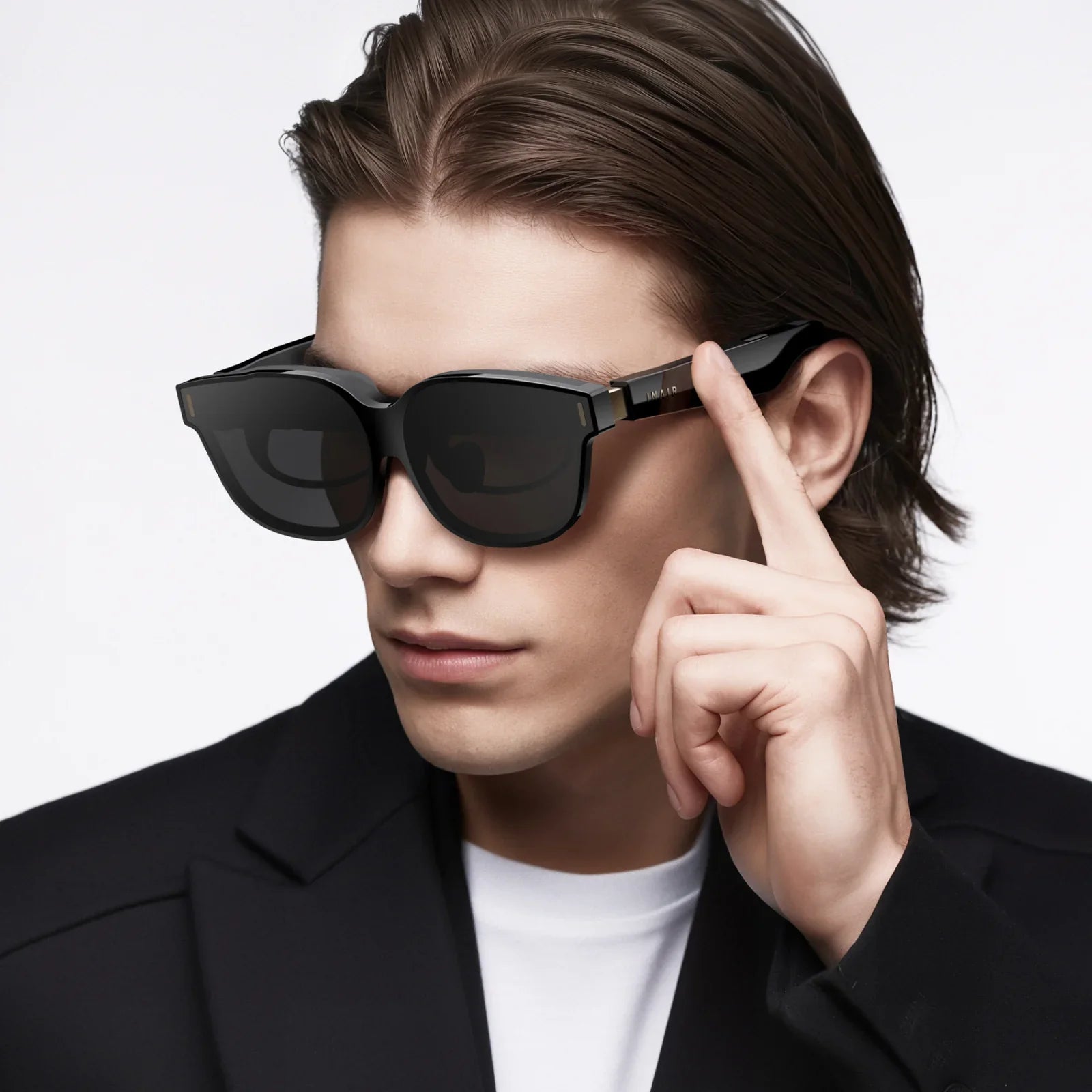
The world of wearable technology is on the cusp of a revolution, and it’s all happening right before our eyes—literally. The quest to find the best AI glasses is no longer a search for a futuristic concept but a practical investigation into which pair best augments your reality, simplifies your tasks, and integrates seamlessly into your daily life. This comprehensive guide dives deep into the current market, analyzing the core technologies, essential features, and leading models to help you navigate this exciting and rapidly evolving landscape.
Defining the Modern AI Glasses
Before we can crown a champion, it's crucial to understand what we're evaluating. AI glasses are not merely sunglasses with a microphone or spectacles with a built-in camera. The 'AI' denotes a fundamental shift: these are devices equipped with sophisticated processors, sensors, and algorithms designed to perceive, learn from, and interact with the world around you in real-time. They are a wearable AI assistant that you see through, offering a hands-free, screen-less experience that aims to be more intuitive and less intrusive than smartphones or smartwatches.
The core promise of AI glasses is contextually aware computing. Instead of you asking a device for information, the device, through its always-on sensors and AI, anticipates your needs. It might translate a street sign as you look at it, identify a plant during a hike, read out your latest messages while you're cooking with messy hands, or provide real-time navigation cues overlaid onto the real world. This shift from pull to push information is the true power of this category.
Key Features to Look For in AI Glasses
Not all AI glasses are created equal. Their form and function vary dramatically based on their intended use case. When assessing the best options, consider these critical aspects:
1. Display Technology: How You See Information
This is arguably the most important differentiator. How the digital information is presented to your eye is a key engineering challenge.
- Audio-First (No Visual Display): Many current offerings forgo a visual display entirely. They rely on advanced bone conduction or miniature speakers to deliver audio information directly to your ears. Their AI prowess is in voice assistants, real-time translation, and audio-based notifications. The major advantage is a familiar form factor that looks almost identical to standard glasses.
- Optical Waveguides and AR Projection: For a true augmented reality experience, some glasses project digital images onto special lenses that reflect the light into your eye. This creates the illusion that text, graphics, or videos are floating in your field of view. The quality of these displays is measured by their field of view (how large the digital image appears) and brightness (can you see it clearly on a sunny day?).
- LED Indicators: Some simpler models use small LED lights on the frame to provide subtle notifications for calls, messages, or battery status, pairing this with a primary audio interface.
2. Audio Performance
Since audio is a primary output method, its quality is paramount. Look for features like:
- Open-Ear Audio: Technology that allows you to hear audio from the glasses while still being fully aware of your surroundings. This is crucial for safety while walking or running.
- Voice Call Clarity: High-quality beamforming microphones that isolate your voice from background noise, ensuring you sound crystal clear to the person on the other end of the call.
- Sound Privacy: The ability for the audio to be heard clearly by you but not by those standing next to you.
3. AI and Processing Capabilities
The 'brain' of the glasses is what makes them smart. This encompasses:
- On-Device AI vs. Cloud AI: Processing data directly on the glasses (on-device) offers greater speed and privacy for tasks like translation. Relying on a cloud connection (cloud AI) allows for more complex computations but requires a constant data connection and can introduce latency.
- Voice Assistant Integration: Seamless integration with major voice platforms is essential for controlling music, getting answers, and setting reminders hands-free.
- Computer Vision: The ability of the built-in cameras and sensors to identify objects, text, and people (with privacy safeguards). This enables features like real-time translation, product identification, and accessibility tools for the visually impaired.
4. Design and Form Factor
A technological marvel is useless if you're unwilling to wear it. The best AI glasses must be:
- Lightweight and Comfortable: You should forget you're wearing them.
- Stylish: They should look like a normal pair of glasses, not a bulky piece of lab equipment. Interchangeable lenses (prescription, sunglass tints) are a huge plus.
- Durable: Built to withstand daily wear and tear.
5. Battery Life and Connectivity
All this technology is power-hungry. Battery life can vary from a few hours of active use to a full day or more on a single charge, often supplemented by a portable charging case. Reliable Bluetooth connectivity to your smartphone is the backbone for most models, acting as a modem and providing access to its data and apps.
Exploring the Leading Contenders in the Market
The current market can be segmented into a few distinct categories, each with standout examples that excel in specific areas. It's important to note that this is a fast-moving field, and new entrants are constantly appearing.
The Audio-First Powerhouses
This category focuses on delivering a superb auditory experience, making them ideal for communication, media consumption, and voice-assisted tasks.
One leading model in this space is renowned for its exceptional call quality and music performance. It uses open-ear audio technology to create a rich, personal sound bubble. Its AI is deeply integrated with a powerful voice assistant, allowing for intuitive control and information retrieval. The design is often praised for being indistinguishable from premium eyewear, and with optional prescription lenses, it becomes a true all-day companion. Its strength lies in not trying to do everything but in excelling at its core audio and voice mission.
Another strong contender offers a similar audio-first approach but often differentiates itself with a focus on fitness and outdoor activities, boasting a more rugged design and sometimes incorporating a camera for quick photo and video capture, controlled via voice commands.
The Augmented Reality Innovators
This category is for those seeking a true visual overlay of digital information onto the real world. The technology here is more complex, and the designs can be more noticeable.
A prominent example in the AR space features a high-resolution micro-OLED display that projects a vibrant, full-color screen in front of your eye. It's designed for productivity, allowing you to have multiple virtual monitors from your laptop, watch videos on a massive virtual screen, or use AR apps for navigation and gaming. While its form factor is closer to that of a pair of ski goggles than everyday glasses, it represents the cutting edge of what's possible in visual AR today.
Another approach in this category comes from a tech giant, offering a more subtle visual notification system paired with a high-quality audio platform and a discreet camera. Its AI is deeply woven into a proprietary ecosystem, offering features like live translation and transcription directly in your field of view, making it a powerful tool for multilingual professionals.
The Niche and Specialized Performers
Beyond the general consumer market, several glasses are designed for specific use cases.
For instance, certain models are built explicitly for runners, featuring a minimalist LED display for pace and heart rate data alongside bone conduction audio. Others are designed as dedicated accessibility tools, using AI to read text aloud from menus, documents, or product labels for users with low vision. These models may lack the broad feature set of others but are often the best in the world at their specific function.
Beyond the Hype: Critical Considerations Before You Buy
The journey to find the best AI glasses is not just about features; it's about fit—both physically and philosophically.
Privacy and Security
Devices with always-on cameras and microphones understandably raise privacy concerns. The best manufacturers address this head-on with physical hardware switches that disable the cameras and microphones, clear data privacy policies, and a focus on on-device processing for sensitive tasks like translation. It is imperative to research a company's stance on data collection and user privacy before making a purchase.
The Ecosystem Lock-In
Many AI glasses function best within a specific ecosystem of apps and services. A pair deeply tied to one voice assistant or operating system might feel limited if your digital life is centered on a competing platform. Consider how well the glasses will integrate with the apps and services you use daily.
The Battery Life Trade-Off
Be realistic about your usage patterns. A pair of glasses with a stunning AR display might only last two hours on a charge, making it a novelty rather than an all-day tool. An audio-first pair boasting 12 hours of listening time might be far more practical for daily use, even if it lacks the visual wow factor.
The Future is Clear, and It's Wearable
The quest for the perfect pair of AI glasses is a moving target, with today's limitations poised to become tomorrow's standard features. We are rapidly moving towards a future where lightweight, stylish frames will house powerful processors, all-day batteries, and bright, wide-field-of-view displays that are invisible in direct sunlight. Advancements in AI will make these devices more predictive and contextual, moving from simple command-and-response to true proactive assistance.
Ultimately, the "best" AI glasses are not a single product but the pair that best aligns with your individual needs, aesthetic preferences, and comfort with technology. Do you crave a seamless audio assistant for your daily commute, or are you an early adopter hungry for a visual glimpse into the metaverse? By carefully weighing the features, design, and practical considerations outlined in this guide, you can cut through the noise and find the pair that truly brings your world into focus—and then enhances it. The future you've seen in movies is finally here, waiting for you to try on a pair.
Share:
Augmented Reality Effects of on Human Perception, Interaction, and Society
How Do Smart Sunglasses Work: A Deep Dive Into Wearable Tech