


- by wangfred
How Do Smart Sunglasses Work: A Deep Dive Into Wearable Tech
- by wangfred
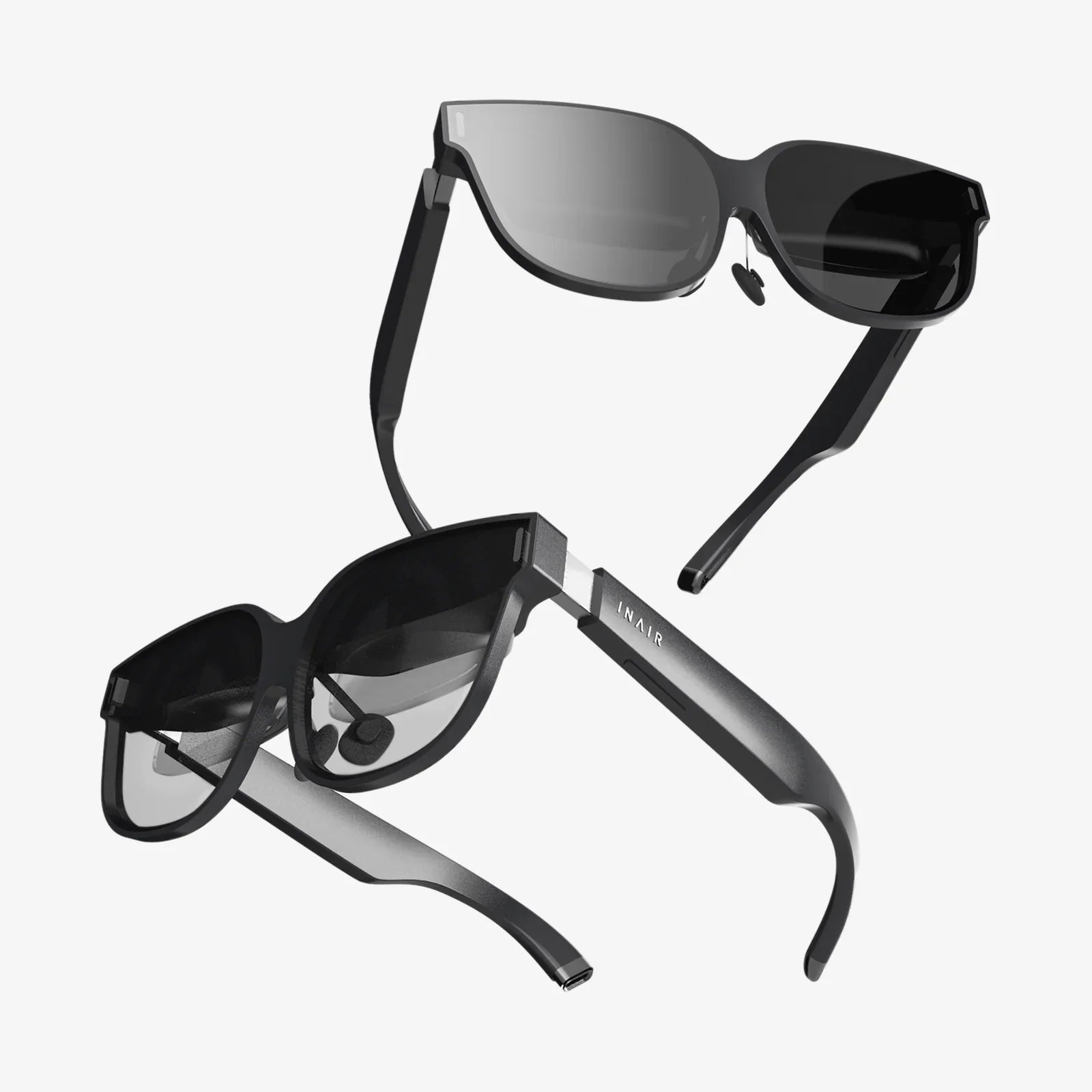
Imagine a world where your sunglasses do more than just shield your eyes from the sun; they overlay your reality with a digital layer of information, allow you to take calls without a visible headset, and record your adventures hands-free. This isn't science fiction—it's the reality of modern smart sunglasses, a sleek and sophisticated evolution of wearable technology that is rapidly moving from niche gadget to mainstream accessory. The magic lies in their ability to integrate complex computing and connectivity into a form factor that looks and feels like a classic pair of shades. But how do these devices, which seem so simple on the surface, actually function? The answer is a symphony of miniaturized components working in perfect harmony.
At their heart, smart sunglasses are a feat of engineering, packing a surprising amount of technology into a very small and stylish package. Unlike their bulkier augmented reality (AR) headset cousins, smart sunglasses prioritize a minimalist design, which makes the technology inside all the more impressive.
For models that offer a visual heads-up display (HUD), the primary magic trick is projecting information onto the lenses without obstructing your view. This is typically achieved through one of two methods:
One of the most common and popular features is integrated audio. Since there's no room for traditional speakers, smart sunglasses employ a clever technology called bone conduction or use miniature directional speakers.
Hidden within the frames is a small System-on-a-Chip (SoC)—a miniature computer that contains a central processing unit (CPU), graphics processing unit (GPU), memory, and wireless modems. This is the brain of the operation. It connects to your smartphone via Bluetooth Low Energy (BLE), receiving data like notifications and music streams. It processes this information, decides what to display or play, and manages all the other onboard sensors. This constant, low-power connection to your phone is what makes the sunglasses "smart," leveraging your phone's cellular and GPS capabilities without needing bulky hardware of its own.
To be contextually aware, smart sunglasses are equipped with an array of sensors:
All this technology requires power. The battery is one of the biggest challenges for designers. It must be small, lightweight, and safe, yet provide enough juice for a full day's use. Batteries are typically integrated into the arms or the front frame to distribute weight evenly. They are usually lithium-ion or lithium-polymer cells. Charging is most often done via magnetic pogo pins or a discreet USB-C port. Battery life can vary significantly, but most aim for between 4-8 hours of active use, with a compact charging case often provided to extend life on the go.
The hardware is only half the story. Sophisticated software and a user-friendly mobile application are what bring the device to life.
Upon unboxing, you pair your sunglasses with a dedicated mobile app. This app acts as the command center, allowing you to:
Voice control is a fundamental interaction model. A double-tap often activates your smartphone's native voice assistant (e.g., Siri or Google Assistant), allowing you to send messages, set reminders, or ask questions without ever touching your phone. This hands-free, eyes-up operation is the core ethos of the product.
As the technology matures, more advanced features are emerging. Some high-end models integrate cameras for first-person perspective (POV) photography and videography. This involves complex image stabilization algorithms and efficient video encoding to manage file sizes and streaming. Other futuristic concepts in development include biometric sensors for measuring health metrics like heart rate and even AR platforms that understand the depth and geometry of the world around you for more immersive digital interactions.
The single greatest engineering hurdle is balancing functionality with aesthetics and comfort. Consumers expect smart sunglasses to be indistinguishable from regular high-end sunglasses. This requires incredible miniaturization of components, innovative heat dissipation solutions, and the use of lightweight, durable materials like Grilamid and carbon fiber. Every component, from the battery to the circuit boards, must be custom-designed to fit the unique curvature and space of the frames.
The seamless integration of cutting-edge technology into a familiar and fashionable form factor is what truly defines how smart sunglasses work. They represent a convergence of optical science, acoustical engineering, computer hardware, and software development, all orchestrated to enhance your perception of the world without isolating you from it. They are a testament to the relentless pursuit of making technology more personal, accessible, and integrated into our daily lives.
From the subtle vibration of bone conduction audio to the ghostly image of a text message hovering in your periphery, the operation of smart sunglasses is a carefully engineered illusion. They don’t shout about their capabilities; they whisper them, offering a glimpse into a future where our tools augment our reality without demanding our full attention. This seamless blend of the digital and physical is not just a technical manual of components, but a new paradigm for human-computer interaction, one where the boundary between what is real and what is digital begins to gracefully fade away.
Share:
What Are the Best AI Glasses on the Market: A Comprehensive 2024 Guide
Top AI Glasses 2025: The Dawn of a Seamless Augmented Reality Future