


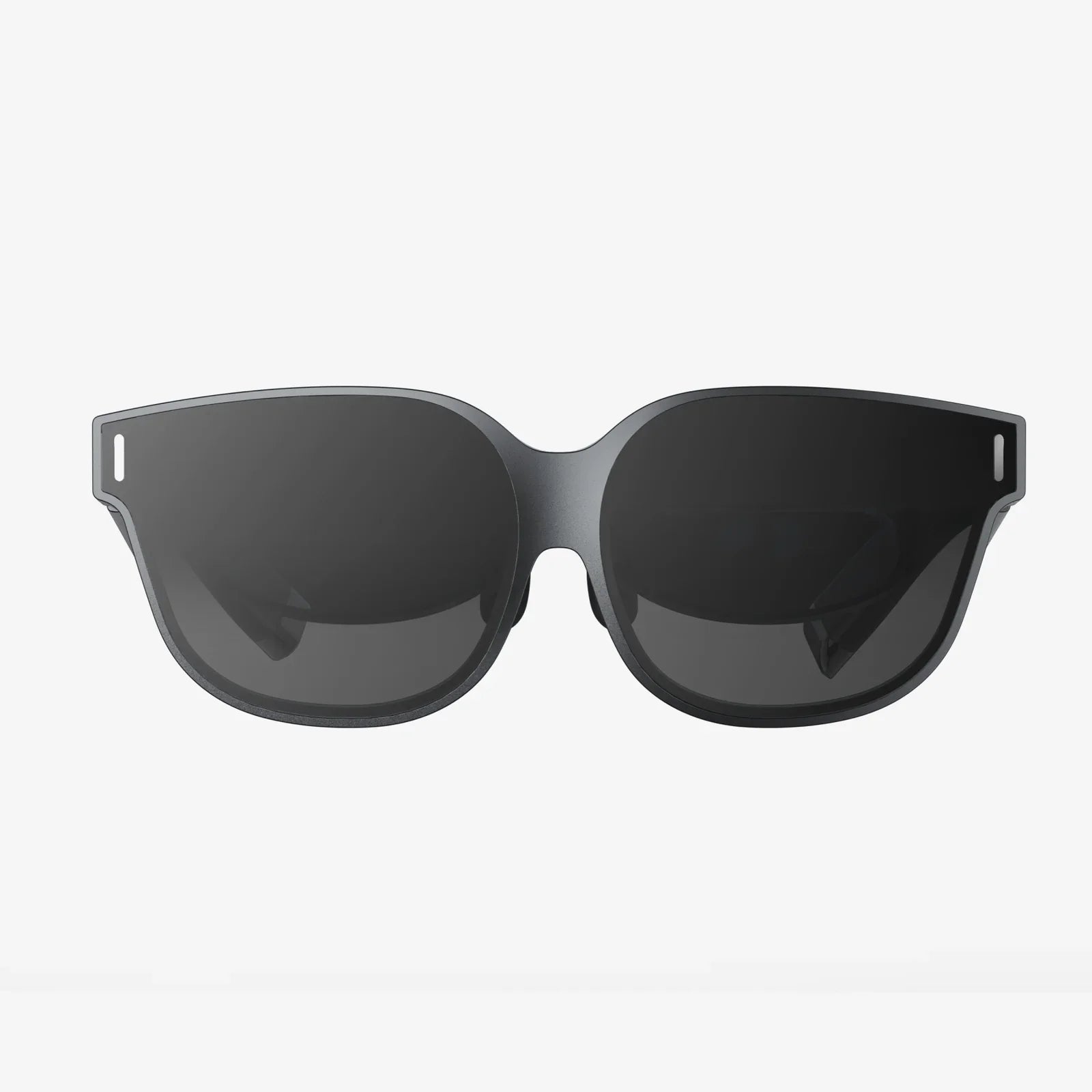
- by wangfred
What Are the Cons of Virtual Reality: The Hidden Costs of Immersion
- by wangfred
You strap on the headset, and the real world melts away, replaced by a breathtaking digital landscape limited only by imagination. This is the siren song of Virtual Reality, a technology that promises to revolutionize everything from entertainment to education. But as the initial awe subsides and the headset comes off, a more complex and often unsettling reality emerges. Behind the glossy promise of total immersion lies a landscape of significant drawbacks, from tangible physical discomfort to profound philosophical questions about the nature of human experience itself. The journey into virtual worlds is not without its hidden costs, and it is these cons that we must critically examine before we dive headlong into the metaverse.
The most immediate and widely reported drawbacks of VR are physical. The human body and brain did not evolve to navigate convincing virtual environments, and the conflict between sensory inputs can be jarring and debilitating.
A close cousin to motion sickness, cybersickness is a pervasive issue. It occurs when your eyes perceive motion within the virtual world—zooming through a star field, running down a hallway—but your vestibular system (the body's internal balance sensor) reports that you are standing still. This sensory mismatch can trigger a wave of unpleasant symptoms, including dizziness, severe headaches, nausea, sweating, and disorientation. For some, these effects can linger for hours after the headset is removed, making prolonged VR sessions an unappealing prospect.
VR headsets place screens mere centimeters from the user's eyes, forcing the eyes to focus on a fixed distance while simultaneously converging to perceive depth in a 3D space. This Vergence-Accommodation Conflict can lead to significant eye strain, blurred vision, and difficulty focusing after use. There are also ongoing studies into the long-term effects of VR on eyesight, particularly in children whose visual systems are still developing. The potential for harm, while not yet fully understood, presents a serious concern for parents and educators.
Total immersion has a literal downside: it completely obscures your actual physical surroundings. Users have been known to trip over furniture, walk into walls, or swing a controller into a television screen or another person. While many systems now incorporate a passthrough camera or guardian boundary system, the risk of minor or even serious physical injury remains a fundamental flaw of being blind to the real world while engaging in physical activity.
Beyond the physical, VR's impact on our minds and social fabric may be its most profound and worrying con.
Spending extended periods in a hyper-realistic or fantastical virtual environment can lead to a phenomenon known as "reality blurring" or depersonalization/derealization. Upon removing the headset, some users report feeling disconnected from the real world, as if it itself is not quite real. This transient dissociation can be unsettling and, for individuals predisposed to certain mental health conditions, potentially more severe. The line between the virtual and the actual can become dangerously thin, challenging our fundamental grip on reality.
Paradoxically, a technology designed to connect people across vast distances could ultimately foster deeper isolation. While social VR platforms allow for avatar-based interaction, they are a poor substitute for the nuanced, rich experience of face-to-face human connection—the subtle body language, the unspoken understanding, the warmth of a shared physical space. There is a tangible risk that individuals, particularly those who struggle with social anxiety, may begin to prefer their curated virtual personas and worlds, further retreating from the messy complexities of genuine human relationships and potentially exacerbating loneliness and social atrophy.
The immersive and escapist nature of VR makes it a potent candidate for behavioral addiction. Much like online games and social media, VR experiences are designed to be engaging and rewarding, releasing dopamine and encouraging prolonged use. The allure of escaping a stressful or unsatisfying reality into a world where you can be anyone and do anything is powerful. This raises concerns about VR addiction, where users neglect their real-world responsibilities, relationships, and health in favor of living in a digital fantasy.
The dream of a ubiquitous VR future is also hampered by very real-world practical and financial constraints.
For a truly high-fidelity, comfortable, and compelling experience, the required equipment remains prohibitively expensive for the average consumer. This includes not only the headset itself but also the powerful computing hardware often needed to run it smoothly. This high barrier to entry threatens to create a new digital divide, where access to next-generation experiences, educational tools, and social spaces is gated by wealth, limiting the technology's potential for widespread positive impact.
Despite rapid advancement, the technology is still far from the seamless experience portrayed in science fiction. Modern headsets can be bulky and uncomfortable for long sessions, with limited battery life tethering users to an outlet or forcing breaks. Setup can be complex, and technical glitches, tracking errors, and software bugs are still common occurrences. This friction—the hassle of putting on the headset, calibrating, and dealing with issues—often prevents VR from becoming a daily "go-to" technology for the mainstream.
Perhaps the most dystopian cons of VR lie in the realm of data and ethics. The level of data a VR system can collect is unprecedented and deeply personal.
Unlike a smartphone or computer, VR headsets are biometric surveillance devices. They can track and record not just your choices and purchases, but your body itself: your eye gaze (what you look at and for how long), your pupil dilation (a sign of arousal or interest), your hand movements, your vocal inflections, your precise reactions to stimuli, and even your unique gait and body geometry. This "biometric data" is a goldmine for advertisers and a nightmare for personal privacy, opening the door to manipulative advertising and unparalleled profiling.
This intimate data collection creates a massive security target. A breach of a VR company's servers would not just leak credit card numbers but the most intimate details of a user's physical behavior and reactions. Furthermore, the immersive nature of VR makes users vulnerable to new forms of harassment and psychological attack, such as "virtual assault," which, while not physical, can have real and traumatic psychological effects. Establishing safety and ethical norms in these uncharted digital territories remains a monumental challenge.
Finally, the ecosystem of VR itself presents challenges. The library of truly must-have, high-quality experiences, beyond tech demos and short games, is still relatively small. A significant amount of content can feel gimmicky, failing to provide lasting value or a compelling reason to return. This lack of deep, meaningful software, combined with the other barriers, leads to a common phenomenon: the expensive headset that, after the initial novelty wears off, gathers dust in a closet, highlighting a current gap between the technology's hype and its sustained utility.
The shimmering virtual worlds beckon with the promise of escape and reinvention, offering a tantalizing glimpse into a future unshackled from physical limits. Yet, this very power is a double-edged sword, casting long shadows of physical discomfort, psychological unease, and societal fragmentation. The true cost of admission to these digital realms isn't just measured in dollars, but in the potential erosion of our physical well-being, our private data, and perhaps most importantly, our tangible connections to the authentic world and the people in it. Embracing VR's potential demands not blind enthusiasm, but a clear-eyed acknowledgment of its significant downsides, compelling us to navigate this new frontier with caution, critical thought, and a firm grip on what makes us human.